



Table of Contents
- What Exactly Are Fragrance Oils?
- Are All Fragrance Oils Unsafe?
- Why Do Fragrance Oils Get a Bad Reputation?
- How Fragrance Oils Are Made Safer for Home Use
- What Happens If You Use Too Much?
- Fragrance Oils vs Essential Oils: Which Is Safer?
- How to Tell If a Fragrance Oil Is Safe
- Are Fragrance Oils Safe Around Pets and Children?
- Why You Should Avoid Cheap, Unverified Oils
- Final Thoughts
- Disclaimer
- FAQs
Are Fragrance Oils Toxic? Safety Tips for Home Use
Fragrance oils are everywhere — in our candles, wax melts, diffusers, room sprays, soaps, and even laundry products. They make our homes feel warm, cosy, clean, or luxurious with just a few drops. But as more people become ingredient-conscious, one question keeps coming up: Are Fragrance Oils Toxic?
It’s a fair concern. When you’re burning something in your living space or misting it into the air you breathe, you want to know it’s safe for your family, your pets, and yourself. The truth is more nuanced than a simple yes or no. Fragrance oils can be safe when formulated and used correctly — but unsafe when misused, overused, or purchased from unreliable sources. Let’s break it all down in a clear, honest way.
What Exactly Are Fragrance Oils?
Fragrance oils are specially blended aromatic compounds designed to provide scent. They can contain natural components (like essential oils, isolates, or plant extracts) and synthetic aroma molecules created in labs.
Unlike essential oils, which come directly from plants, fragrance oils are created to achieve consistency, stability, and specific scent profiles. This allows a “vanilla cupcake” candle to smell the same every time or a “clean linen” wax melt to keep its scent through heating.
This blend of natural and synthetic is why people ask: Are Fragrance Oils Toxic? The answer depends heavily on how they are made, tested, and used.
Are All Fragrance Oils Unsafe?
No — and this is a very important distinction. Not all fragrance oils are created equal. Professional fragrance oils sold by reputable suppliers are designed to meet strict safety standards set by organisations such as IFRA (International Fragrance Association). These standards limit how much of certain ingredients can be used in products like candles, soaps, and cosmetics.
When a fragrance oil meets IFRA guidelines, it means it has been evaluated for potential risks such as skin irritation, inhalation safety, and long-term exposure. So when people ask Are Fragrance Oils Toxic, the better question is really: Are they properly formulated and used within safety limits?
Cheap, untested fragrance oils — especially those sold on marketplaces with no documentation — are where problems usually start.
Why Do Fragrance Oils Get a Bad Reputation?
A lot of fear around fragrance oils comes from misinformation online. Some posts claim that all synthetic fragrances are “toxic,” “endocrine-disrupting,” or “poisonous.” While it’s true that certain raw fragrance ingredients can be harmful in high concentrations, the same is also true of essential oils.
For example, undiluted cinnamon or clove oil can burn skin, and eucalyptus can be dangerous to pets. Toxicity depends on dose, exposure, and formulation — not just whether something is “natural” or “synthetic.”
So when someone asks Are Fragrance Oils Toxic, what they’re often reacting to is poor-quality products or misuse, not the concept of fragrance oils themselves.
How Fragrance Oils Are Made Safer for Home Use
Reputable fragrance oil suppliers don’t just mix random aroma chemicals together. Each fragrance formula is evaluated for:
Inhalation safety
Skin contact safety
Combustion safety (for candles and wax melts)
Environmental impact
Every fragrance oil also comes with documents like IFRA certificates, MSDS (Material Safety Data Sheets), and allergen disclosures. These tell manufacturers exactly how much can safely be used in different products.
This is why a candle maker can safely scent a candle at 6–10%, but a skin product might only allow 1–2%. When used within those limits, the oils are designed to be safe for everyday home use.
What Happens If You Use Too Much?
Even safe fragrance oils can become a problem when overused. Overloading a candle with fragrance oil can cause smoking, soot, and poor burning. In diffusers, using too much fragrance oil can lead to headaches or throat irritation.
This is where the idea that Are Fragrance Oils Toxic comes back into play — toxicity often happens through misuse. A properly formulated wax melt will release scent gently into the air, while an overloaded one can release too much fragrance too quickly.
Good home fragrance is all about balance.
Fragrance Oils vs Essential Oils: Which Is Safer?
Many people assume essential oils are automatically safer, but that’s not always true. Essential oils are highly concentrated plant chemicals. Some are toxic to pets, some are phototoxic on skin, and some can cause serious allergic reactions.
Fragrance oils, on the other hand, are formulated to be stable when heated and inhaled. Many candle and diffuser brands actually prefer fragrance oils because they perform more predictably and safely in heated products.
So when people debate Are Fragrance Oils Toxic, they often overlook the risks that come with “natural” oils too.
How to Tell If a Fragrance Oil Is Safe
If you’re buying candles, wax melts, or fragrance oils for DIY use, here are some things to look for:
IFRA compliance – The seller should provide IFRA documentation.
MSDS or SDS sheets – These show how the oil should be handled safely.
Clear usage rates – Reputable brands tell you how much to use in candles, soaps, and diffusers.
Transparency – Brands that hide ingredients or safety data are a red flag.
When these things are in place, asking Are Fragrance Oils Toxic becomes much less scary — because you can see the safety controls behind the product.
At House of Scent, all regulatory documents are provided and can be downloaded directly from each fragrance oil product page.
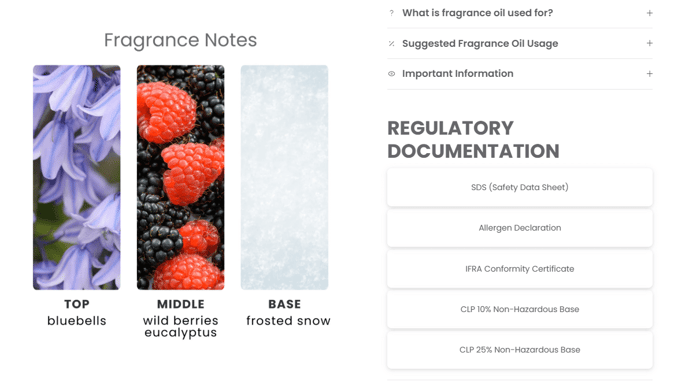
Bluebells & Wild Berries Fragrance Oil
£1.99
Soft bluebells bloom first, and bursting wild berries follow, juicy and playful, adding natural sweetness that lifts the heart. Finally, a frosted snow note adds a clean, sparkling freshness, giving the whole fragrance a magical, invigorating finish that feels bright… read more

Are Fragrance Oils Safe Around Pets and Children?
This is one of the most common concerns. While no scented product should be used excessively around pets, birds, or infants, properly formulated home fragrance products are generally safe when used in well-ventilated areas.
Never let pets lick wax melts, oils, or candles. Birds and small animals are particularly sensitive to airborne chemicals because their respiratory systems are much more delicate than humans or even cats and dogs. Even small amounts of fragrance in the air can cause respiratory irritation, coughing, or stress.
Here are some extra safety tips:
Keep diffusers elevated and out of reach of all pets, especially birds and small mammals.
Use fragrance oils sparingly in areas where birds or small animals live. A lightly scented room is much safer than strong, concentrated diffusion.
Ventilate well — always open windows or doors to allow fresh air to circulate when diffusing or burning scented products.
Observe your pets — if you notice coughing, sneezing, or unusual behavior, stop using the product immediately.
Good ventilation matters more than people often realise, and choosing high-quality, properly formulated fragrance oils reduces risk significantly.
Again, the question Are Fragrance Oils Toxic comes down to exposure, not just existence. By using fragrance oils thoughtfully, you can enjoy a pleasant, aromatic home without putting your pets, birds, or little ones at risk.
Why You Should Avoid Cheap, Unverified Oils
The real danger in fragrance oils comes from knock-off or poorly regulated products. Some cheap oils may contain high levels of phthalates or industrial solvents not meant for home fragrance use.
That’s why professional candle and wax melt brands source their oils from fragrance houses that test and document everything. The scent might cost more, but it’s backed by safety science.
If a supplier cannot provide safety paperwork, it’s best to walk away.
Final Thoughts
So, Are Fragrance Oils Toxic? Not when they are properly formulated, tested, and used according to guidelines. Like any aromatic product — whether it’s perfume, essential oil, or scented wax — safety comes from quality, moderation, and transparency.
Fragrance oils allow us to enjoy beautiful, consistent scents without the instability and risks that sometimes come with raw essential oils. When you choose reputable brands and use products as intended, you can enjoy a fragrant home without worry.
A well-scented space should feel comforting, not concerning — and with the right knowledge, it absolutely can be.
Disclaimer
The information in this blog is provided for educational and informational purposes only, based on our knowledge, research, and experience at the time of writing. While we aim to offer accurate guidance on using fragrance oils safely at home, readers should conduct their own research and verify all information independently before making decisions. It is the reader’s responsibility to ensure product safety by using oils from reputable suppliers, checking regulatory documents such as IFRA certificates and MSDS/SDS sheets, following recommended usage guidelines, testing products thoroughly, and complying with all relevant safety practices. Always dilute concentrated oils before applying to the skin and take care around children, pets, and birds. House of Scent accepts no liability for any losses, damages, or actions taken based on the content of this blog.
FAQs
Are fragrance oils toxic to humans?
When used correctly and in well-ventilated areas, properly formulated fragrance oils are generally safe. Concentrated fragrance oils should never be applied directly to the skin — they must be diluted with a professional base first. Toxicity usually occurs from misuse or low-quality, untested oils.
How can I use fragrance oils safely at home?
Use fragrance oils according to recommended amounts and IFRA guidelines, avoid enclosed spaces, keep them out of reach of children and pets, and choose oils from reputable suppliers with proper safety documentation. Always dilute concentrated oils before applying to skin or making personal care products.