How to Dilute Fragrance Oils Using Perfumers Alcohol Safely
If you’ve ever wondered How to Dilute Fragrance Oils properly, you’re not alone. Whether you’re creating room sprays, perfumes, or linen mists, dilution is one of the most important steps in achieving a safe, effective, and beautifully performing product.
Using perfumers alcohol is one of the most popular methods for dilution - but it must be done correctly. Too strong, and your product could be overpowering or unsafe. Too weak, and the scent may barely last. This guide will walk you through How to Dilute Fragrance Oils using perfumers alcohol safely, with practical tips you can apply straight away.
What Is Perfumers Alcohol?
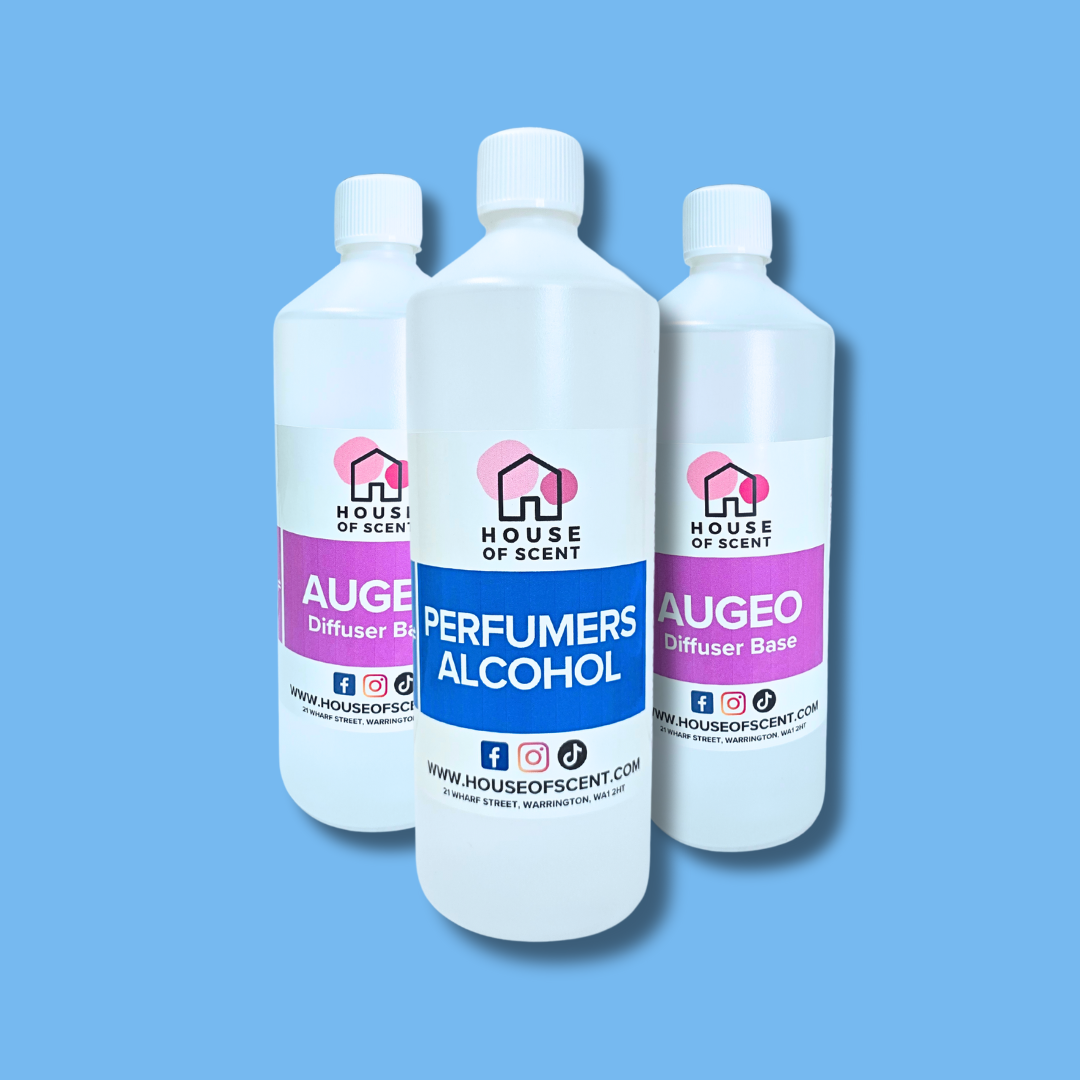
Perfumers alcohol is a specially formulated, denatured alcohol designed for fragrance applications. It is typically made from ethanol with added denaturants to make it unsuitable for consumption.
Its main benefits include:
Fast evaporation, allowing the scent to disperse effectively
A clean, neutral base that doesn’t interfere with fragrance
Compatibility with most fragrance oils
Because of these properties, it’s widely used in perfumes, room sprays, and other home fragrance products.
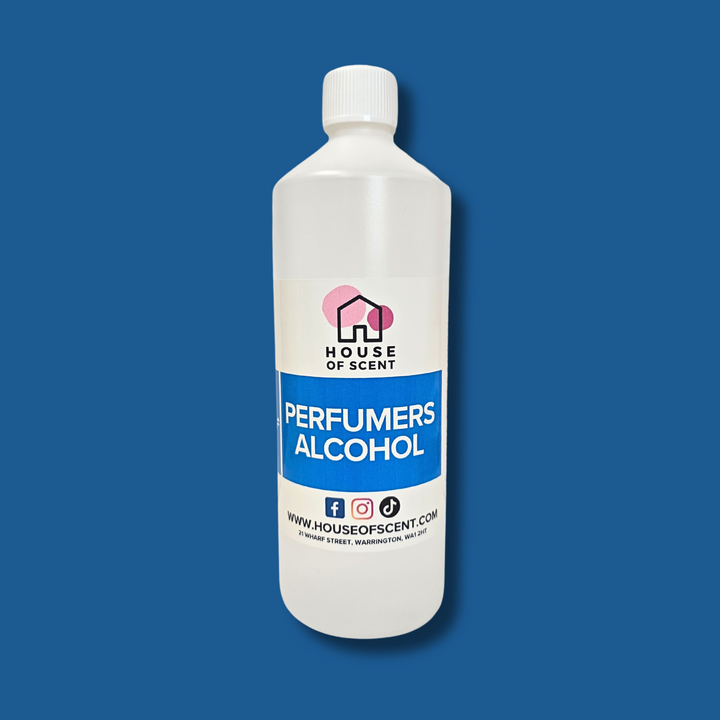
Perfumers Alcohol
£2.99
Perfumers Alcohol is the ultimate sidekick for crafting professional-quality perfumes, colognes and room sprays. Designed to blend seamlessly with your favourite fragrance oils and essential oils, this versatile base is the secret weapon to turning your dupe perfume visions into… read more
Why Proper Dilution Matters
Before diving into How to Dilute Fragrance Oils, it’s important to understand why dilution is essential:
1. Safety
Fragrance oils are highly concentrated. Applying or using them undiluted can cause skin irritation, respiratory discomfort, or overpowering scent throw.
Dilution helps control how a fragrance is released. Properly diluted oils create a balanced scent that develops over time rather than hitting too harshly.
3. Compliance
If you’re selling products, dilution must follow IFRA (International Fragrance Association) guidelines. These determine safe usage levels for different applications.
Basic Dilution Ratios
A key part of learning How to Dilute Fragrance Oils is understanding ratios. These vary depending on the product you’re making:
Perfume Sprays
10–20% fragrance oil
80–90% perfumers alcohol
Room Sprays
5–10% fragrance oil
90–95% perfumers alcohol
Body Mists
3–5% fragrance oil
95–97% perfumers alcohol
Always check IFRA documentation for your specific fragrance oil before deciding your final percentage.
Step-by-Step: How to Dilute Fragrance Oils Safely
Let’s break down How to Dilute Fragrance Oils into simple, safe steps.
Step 1: Prepare Your Workspace
Work in a well-ventilated area away from open flames. Alcohol is highly flammable, so safety is essential.
You’ll need:
Step 2: Measure Accurately
Precision is everything when learning How to Dilute Fragrance Oils. Always measure by weight (grams) rather than volume where possible.
For example:
10g fragrance oil
90g perfumers alcohol
This gives you a 10% dilution.
Step 3: Add Fragrance Oil First
Pour your fragrance oil into the container first, then slowly add perfumers alcohol.
This helps the fragrance blend more evenly and prevents clumping or separation.
Step 4: Mix Thoroughly
Gently swirl or stir the mixture. Avoid shaking too aggressively, as this can introduce air bubbles.
A smooth blend ensures consistent scent performance.
Step 5: Allow to Mature (Maceration)
One of the most overlooked parts of How to Dilute Fragrance Oils is letting the mixture rest.
Allow your blend to sit for:
This process, known as maceration, allows the fragrance and alcohol to fully bind, improving scent quality.
Common Mistakes to Avoid
Even experienced makers can get things wrong when learning How to Dilute Fragrance Oils. Here are some common pitfalls:
Overloading Fragrance
More isn’t always better. Excess fragrance can:
Skipping Testing
Always test your diluted product before final use or sale. Factors like temperature, environment, and application method can affect performance.
Ignoring IFRA Limits
Each fragrance oil has specific usage restrictions. Ignoring these can result in unsafe products, especially for skin use.
Using the Wrong Alcohol
Not all alcohols are suitable. Avoid:
Only use perfumers alcohol designed for fragrance applications.
Tips for Better Results
Mastering How to Dilute Fragrance Oils takes practice, but these tips can help you get better results faster:
Keep Detailed Notes
Record:
Ratios used
Fragrance type
Cure time
Performance results
This helps you refine your formulas over time.
Test Small Batches First
Before making large quantities, test small batches. This reduces waste and allows adjustments.
Use Quality Ingredients
Higher-quality fragrance oils and alcohol result in better scent throw and longevity.
Store Properly
Keep your diluted products in:
This preserves the integrity of your fragrance.
Safety Considerations
When working with perfumers alcohol, safety should always come first.
Ventilation
Always work in a well-ventilated area to avoid inhaling strong fumes.
Flammability
Keep away from:
Open flames
Heat sources
Sparks
While diluted products may be safe, concentrated fragrance oils can irritate skin. Wearing gloves is recommended.
How to Adjust Strength
Sometimes your first attempt won’t be perfect - and that’s okay. Understanding How to Dilute Fragrance Oils also means knowing how to tweak your formula.
If the Scent Is Too Strong:
If the Scent Is Too Weak:
Make adjustments gradually and always retest.
Applications Beyond Perfume
Learning How to Dilute Fragrance Oils opens up a wide range of product possibilities:
Room sprays
Linen sprays
Car fresheners
Body mists
Each application may require slight adjustments, but the core dilution principles remain the same.
Final Thoughts
Understanding How to Dilute Fragrance Oils using perfumers alcohol safely is a fundamental skill for anyone working with fragrance - whether you’re a hobbyist or building a business.
The key is balance:
Once you get the hang of it, you’ll find that dilution isn’t just a technical step - it’s where your fragrance truly comes to life.
Take your time, experiment thoughtfully, and enjoy the process of creating scents that perform beautifully and safely. View Premium Fragrance Oils
Disclaimer
The information provided in this blog is for educational and informational purposes only. Working with fragrance oils and perfumers alcohol involves handling flammable substances and concentrated materials that may pose risks if used incorrectly. Always follow appropriate safety guidelines, work in a well-ventilated area, and use suitable protective equipment.
Fragrance oils must be used in accordance with IFRA (International Fragrance Association) guidelines and supplier recommendations. If you are creating products intended for use on the skin or for sale, you are responsible for ensuring compliance with all relevant regulations, including obtaining a Cosmetic Product Safety Report (CPSR) where required. Proper testing and documentation should always be carried out before distributing or selling any products.
We accept no responsibility for any injury, damage, or loss resulting from the use or misuse of the information provided in this blog.