



Table of Contents
- The Candle Market Outlook in 2026
- Startup Costs: What You Actually Need to Invest
- Candle Profit Margins Explained
- Part-Time Income vs Full-Time Candle Businesses
- Marketing Is No Longer Optional
- Common Challenges Candle Businesses Face
- Final Thoughts: Is a Candle Business Worth Starting in 2026?
- Start with High-Quality Oils
- Disclaimer
- FAQs
The candle industry continues to attract entrepreneurs, creatives, and side-hustlers looking to turn handmade products into income. Candles and wax melts remain popular not only as home décor, but also as gifts, self-care items, and lifestyle products. With growing interest in home fragrance and personalised gifting, the market offers real opportunities for those willing to put in the work. Many now ask: Is a candle business profitable in 2026?
The honest answer is yes — but only with realistic expectations and a clear strategy. Profitability depends on managing costs, pricing correctly, understanding your audience, and committing to quality, branding, and marketing. This article explores the market outlook, costs, earning potential, and challenges to help you make informed decisions and plan for long-term success.
The Candle Market Outlook in 2026
The global candle market remains resilient despite economic shifts. Consumers continue to spend on affordable luxuries, and candles fall squarely into that category. Home fragrance has become a lifestyle purchase rather than an occasional treat, driven by trends such as self-care routines, home aesthetics, and gifting culture.
Key trends shaping the market include:
Increased demand for clean-burning waxes such as soy and coconut blends (Discover soy and coconut waxes here)
Luxury-inspired packaging and minimalist branding
Eco-friendly, refillable, and low-waste candle options such as high quality frangrance oils
Seasonal collections and limited-edition scents
While demand is strong, competition has increased significantly. Marketplaces like Etsy, TikTok Shop, and Shopify are saturated with candle sellers, many competing on price alone. This means profitability depends less on simply making candles and more on how effectively you differentiate your brand.
When evaluating Is a Candle Business Profitable in 2026?, it’s essential to understand that the opportunity exists — but standing out is no longer optional.
Startup Costs: What You Actually Need to Invest
Initial setup expenses
Starting a candle business doesn’t require massive capital, but there are unavoidable startup costs that should be planned for carefully. These typically include:
Wax, fragrance oils, and wicks
Containers, labels, and outer packaging
Equipment such as melting pots, digital scales, and thermometers
Safety testing, insurance, and regulatory compliance
Depending on your scale and product range, startup costs can range from a few hundred to several thousand. Many beginners underestimate compliance and insurance costs, which can later become a barrier to scaling.
Ongoing business costs
Once you begin selling, recurring expenses will shape your profitability. These include:
Replenishing raw materials and packaging
Platform and payment processing fees
Marketing and advertising spend
Shipping materials and postage costs
Understanding these numbers early makes answering Is a Candle Business Profitable in 2026? far more grounded in reality, rather than based on optimistic assumptions.
Candle Profit Margins Explained
Most candle businesses aim for gross profit margins between 50% and 70%. For example:
A candle costing £6 to produce may retail for £18–£22
Wax melts often achieve higher margins due to lower material and packaging costs
However, gross profit is not the same as net income. Marketing spend, failed test batches, damaged returns, and seasonal slowdowns all reduce take-home earnings. This is where many new sellers feel discouraged.
Profit margins tend to improve over time through:
Bulk purchasing of wax, fragrance, and packaging
Streamlined production processes
Reduced waste through better forecasting
Repeat customers who lower acquisition costs
Part-Time Income vs Full-Time Candle Businesses
Side hustle and hobby sellers
For many makers, candle selling begins as a creative outlet or supplementary income. In this scenario, monthly profits may range from a few hundred to a couple of thousand, depending on pricing, volume, and sales channels.
This model offers flexibility and lower pressure but often limits scalability.
Scaling to full-time income
Some candle businesses do reach full-time income levels, but this requires treating the business as a full operation rather than a hobby. Key factors include:
High and consistent order volume
Strong marketing and content creation
Wholesale, corporate gifting, or B2B partnerships
Careful inventory and cash flow management
When people ask Is a Candle Business Profitable in 2026?, the answer depends heavily on whether the goal is supplemental income or replacing a full-time job.
Marketing Is No Longer Optional
In 2026, candles rarely sell based on product quality alone. Successful brands invest heavily in marketing and storytelling. Customers want to connect with the maker, the process, and the brand values behind the product.
Effective marketing strategies include:
Short-form video content on TikTok and Instagram
Behind-the-scenes production footage
Strong brand messaging and niche positioning
Professional product photography for websites and listings
Consumers often buy the story as much as the scent. Brands that communicate their values clearly — whether luxury, sustainability, or affordability — build trust faster and convert more consistently.
Without marketing, even well-made candles struggle to gain traction, which directly affects whether Is a Candle Business Profitable in 2026? for individual sellers.
Common Challenges Candle Businesses Face
Despite the opportunity, candle businesses face real challenges that should not be ignored:
Market saturation and aggressive price competition
Rising raw material and shipping costs
Compliance, insurance, and safety regulations
Fragile products that increase logistics risk
Many businesses fail not because candles don’t sell, but because pricing, compliance, or cash flow isn’t managed properly. This is why people continue to ask, Is a candle business profitable in 2026? Sustainable success often comes from refining systems rather than constantly adding new products.
Final Thoughts: Is a Candle Business Worth Starting in 2026?
A candle business can absolutely be profitable in 2026, but success is no longer accidental. The sellers who thrive are those who approach it with intention and discipline.
Profitable candle businesses typically:
Price products realistically and sustainably
Understand their costs and margins in detail
Invest consistently in branding and marketing
Focus on long-term customer relationships
With the right approach, candle making can grow beyond a creative hobby and become a reliable, scalable business.
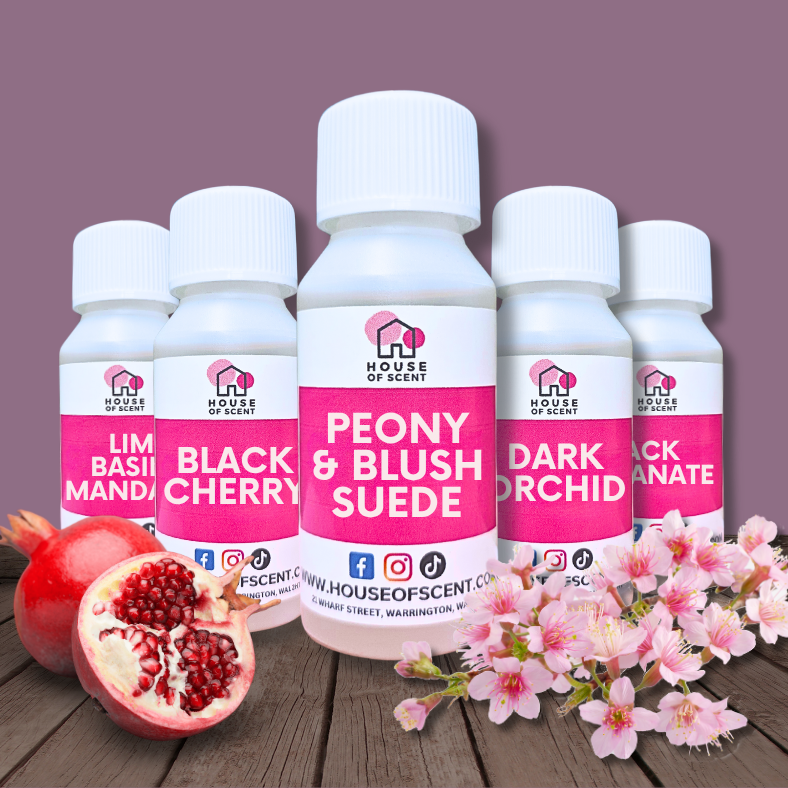
Start with High-Quality Oils
Disclaimer
The information in this blog is provided for educational and informational purposes only, based on our knowledge, research, and experience at the time of writing. While we aim to offer accurate guidance on starting and running a candle business, readers should conduct their own research and verify all information independently before making business or financial decisions. It is the reader’s responsibility to ensure product safety, test recipes thoroughly, and comply with all relevant regulations, including Cosmetic Product Safety Reports (CPSR) for skin-contact products, IFRA guidelines for fragrance usage, CLP labelling requirements (which can be DIY or professionally printed), and maintaining appropriate business insurance. House of Scent accepts no liability for any losses, damages, or actions taken based on the content of this blog.
FAQs
Can I run a candle business as a side hustle?
Yes, many candle makers start as hobbyists or side hustlers. Selling candles part-time allows you to test products, build a brand, and earn extra income without full-time pressure. Monthly profits for side hustles typically range from a few hundred to a couple of thousand pounds. Keep in mind, scaling to full-time income requires higher order volumes, consistent marketing, and strong inventory management.
Know How to Make Your Own Candles: A Step-by-Step Guide Here!
Which type of wax is best for beginners?
For beginners, soy wax and coconut wax blends are often recommended because they are clean-burning, easy to work with, and widely available. These waxes also take fragrance oils well, helping you create stronger, longer-lasting scents. You'll know which type of wax is best here.
Can I use fragrance oils in my candles?
Yes! Fragrance oils are a key component in creating appealing scents for your candles. Choosing high-quality oils improves scent throw and customer satisfaction. Look into House of Scent's fragrance range here.