

Table of Contents
The world of homemade candles and wax melts is a vibrant, creative, and profitable market. With the growing demand for unique, eco-friendly, and personalised home fragrance products, selling handmade candles and wax melts in the UK has never been more appealing. Many people are now turning hobbies into small businesses — but before you begin, you need to understand the legal requirements for selling candles and wax melts, alongside the full list of compliance obligations for homemade products in the UK.
Turning your hobby into a successful business takes careful planning, knowledge of regulations, and a solid marketing strategy. This guide walks you through the essential steps to start and grow your candle and wax melt business while staying fully compliant and building a strong, trustworthy brand.
1. Understanding the Market
Before you start pouring wax, take time to understand the market. This helps you create products customers want and helps you stand out.
Popular Scents: Seasonal scents (pumpkin spice in autumn, florals in spring) and classics like lavender, vanilla, jasmine, and sandalwood.
Eco-Friendly Options: UK shoppers love sustainable materials — soy wax, beeswax, coconut wax, and wooden wicks are top choices.
Unique Designs: Aesthetic candles with dried flowers, shaped wax melts, and decorative moulds can become your signature style.
Target Audience: Are you aiming for luxury home fragrance lovers? Eco-conscious buyers? Budget shoppers? Novelty gift buyers?
Use Google Trends, Etsy, and Instagram to understand buying behaviour, trending scents, and visual styles.
2. Legal Requirements
Understanding the legal requirements for selling candles and wax melts in the UK is essential. Compliance ensures safety, protects your business, and keeps you aligned with Trading Standards.
Product Safety Regulations
CLP (Classification, Labelling & Packaging)
Any product containing fragrance oils or essential oils must follow CLP rules. This means your labels must:
Include hazard warnings
Display the correct pictograms and signal words
List allergens above required thresholds
Include supplier name, address, and contact information
Provide safety instructions such as “Keep out of reach of children and pets.”
You’ll need Safety Data Sheets (SDS) from your fragrance suppliers to create accurate CLP labels.
Imitation of Food Law
Candles and wax melts shaped like edible items — cupcakes, chocolates, doughnuts — can be considered dangerous because children may mistake them for food. If your products resemble real food, they cannot legally be sold under the Food Imitation Regulations.
Product Liability Insurance
Insurance protects you if:
A customer has an allergic reaction
A container cracks
Wax causes damage
A customer claims injury or misuse
Most craft fairs and retailers require your insurance documents.
Business Registration
If you’re earning money, register with HMRC as a sole trader, partnership, or limited company. Keep accurate financial records for tax purposes.
Staying compliant with the legal requirements for selling candles and wax melts is essential for consumer safety and business credibility.
3. Crafting High-Quality Products
High-quality products build repeat customers.
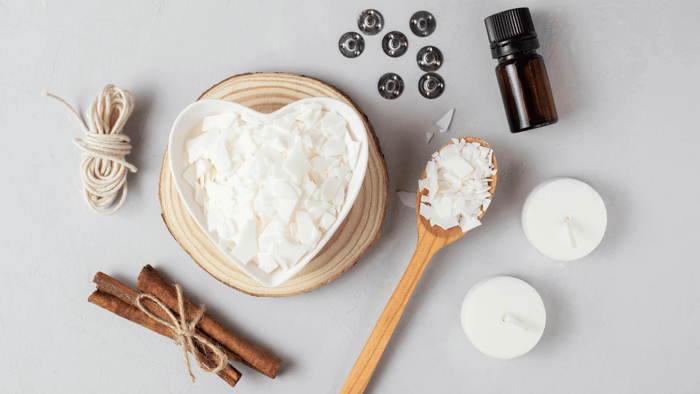
Ingredients
Wax: soy, beeswax, paraffin, coconut, or blends
Fragrance oils: high-quality oils give better scent throw
Wicks: proper wick size prevents tunnelling, soot, and overheating
Testing
Thorough testing makes sure your products are safe.
Candle tests:
burn time
flame height
container temperature
wick behaviour
soot levels
Wax melt tests:
melting behaviour
fragrance throw strength
compatibility with warmers
Sustainability
Eco-minded customers value:
recyclable jars
biodegradable packaging
refill schemes
These elements strengthen brand identity and improve customer loyalty.
4. Pricing Your Products
A strong pricing strategy considers:
material costs
labour
overheads
marketing
target profit margin (typically 3× or 4× cost price)
Research competitor pricing to stay competitive but profitable.
5. Branding and Packaging
Brand Identity
Build a memorable brand through storytelling, niche focus, and a consistent visual identity.
Packaging
Packaging should be protective, visually appealing, and aligned with your brand. Make sure labels remain CLP-compliant. Eco-friendly packaging is increasingly popular with UK buyers.
6. Setting Up Your Sales Channels
Online Platforms
Etsy: best for beginners
Shopify: for a professional standalone website
Social media shops: Instagram, Facebook, TikTok
Local Markets
In-person markets allow customers to smell products, boosting sales and trust.
Retail Partnerships
Gift shops, florists, and boutiques often partner with small makers. Wholesale can provide stable income.
7. Marketing Your Business
Social Media
Post product photos, behind-the-scenes videos, packaging setups, and educational content. Collaborate with micro-influencers.
Email Marketing
Send updates, promos, product launches, and candle-care guides.
SEO
Use keywords such as:
“handmade candles UK”
“soy wax melts”
“legal requirements for selling candles and wax melts”
“eco-friendly candles UK”
Blog about candle care, trending scents, and common candle mistakes to boost organic traffic.
Paid Ads
Use Google Ads or Facebook Ads to reach new customers quickly.
8. Managing Your Business
Good organisation helps your business thrive.
Inventory Management
Track materials and finished products to avoid shortages and overspending.
Customer Service
Respond promptly, handle concerns professionally, and encourage reviews.
Scaling
Add reed diffusers, room sprays, gift sets, or wholesale options as your business grows.
9. Staying Compliant and Adapting
The legal requirements for selling candles and wax melts may change over time. Stay updated through candle-making groups, workshops, and regulatory updates.
Conclusion
Selling homemade candles and wax melts in the UK is a fulfilling way to turn creativity into a business, but real success comes from understanding your customers, building a strong brand, and staying compliant with all the legal requirements for selling candles and wax melts. When you combine quality products with proper safety practices and consistent testing, you build a business that feels trustworthy and professional.
If you want to start your own candle/melt brand in the UK, we recommend reading our guide Is Candle Making Profitable? — it’s a great resource to deepen your knowledge and understand what to expect as you grow.
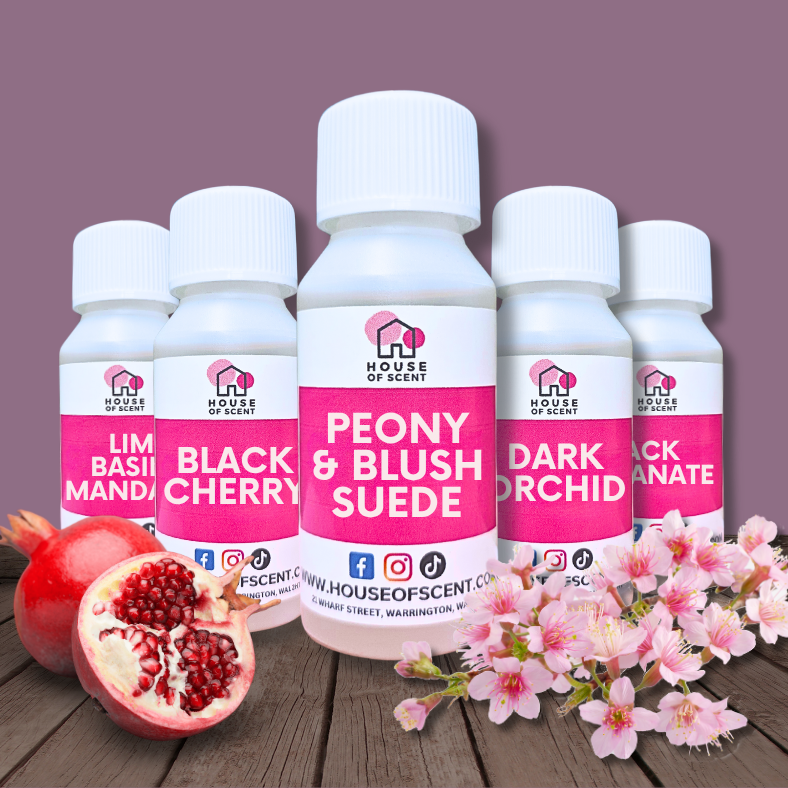
You can also explore 10g Fragrance Oils – Why We Offer a Money-Back Guarantee! to learn how you can test new scents risk-free. It’s the perfect way to experiment with oils, find your signature fragrances, and refine your products without wasting money.
With the right foundation, attention to detail, and a passion for your craft, your candle or wax melt business can grow into something genuinely successful and sustainable. Keep learning, keep creating, and enjoy every step of building your brand.
START MY OWN CANDLE / WAX MELT BRAND IN THE UK
FAQs
What are the legal requirements for selling candles and wax melts in the UK?
The main legal requirements for selling candles and wax melts in the UK include CLP labelling compliance, product safety testing, following Food Imitation Regulations, and having product liability insurance. You must also register as a business with HMRC if you’re making income from your products.
Do I need CLP labels for my homemade candles and wax melts?
Yes. Any product containing fragrance oils or essential oils must have a CLP-compliant label. This includes warning symbols, allergens, safety instructions, and your contact information. Missing or incorrect CLP labels is one of the most common mistakes beginners make.
Can I sell candles or wax melts that look like food?
Generally no. The UK’s Food Imitation Regulations prevent the sale of candles or wax melts that could be mistaken for edible items, such as cupcakes, chocolates, or sweets. These products pose a risk to children and are considered unsafe by Trading Standards.
Do I need insurance to sell homemade candles and wax melts?
Yes. Product Liability Insurance is strongly recommended and often required at markets, online platforms, and by retail stockists. It protects you if your candle or melt causes injury, property damage, or an allergic reaction.
Do candles and wax melts need safety testing before selling?
Absolutely. Before selling, you should conduct burn tests (for candles) and performance tests (for wax melts). Testing ensures your product burns safely, doesn’t overheat containers, releases fragrance properly, and meets consumer safety expectations.