

Table of Contents
What is DPG? Uses, Benefits & How It Works
If you’ve ever dabbled in perfumery or home fragrance creation, you may have come across the term DPG. For beginners and even seasoned makers alike, understanding this ingredient can feel a little mysterious. In this guide, we’ll unpack what is DPG, how it’s used, why it’s valued in the fragrance industry, and what benefits it brings to your perfumes, room sprays, and diffusers.
What is DPG?
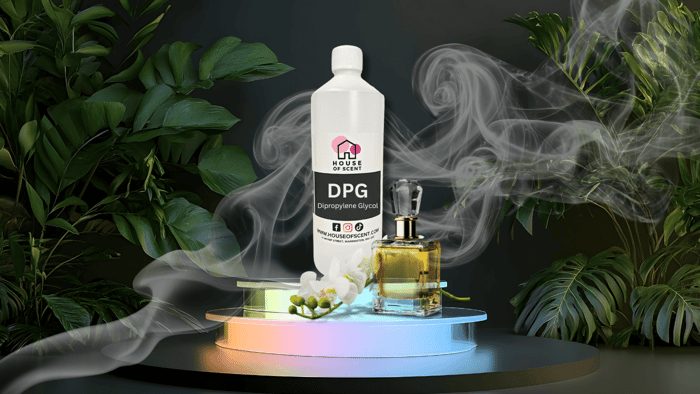
DPG stands for Dipropylene Glycol, a colourless, odourless liquid commonly used as a carrier and solvent for fragrance oils. Unlike ethanol or alcohol, DPG is much less volatile, meaning it doesn’t evaporate quickly. This property makes it an essential component for many perfumers, especially when creating long-lasting scents in both commercial and small-batch projects.
When people ask, "What is DPG?", they’re usually interested in its role as a stabiliser and diluent. DPG helps fragrances maintain their integrity, allowing the scent to be experienced in a controlled and consistent way over time. It’s not a fragrance itself, so it won’t interfere with the delicate notes in your blend, which is one reason it’s so highly regarded.
DPG | Dipropylene Glycol
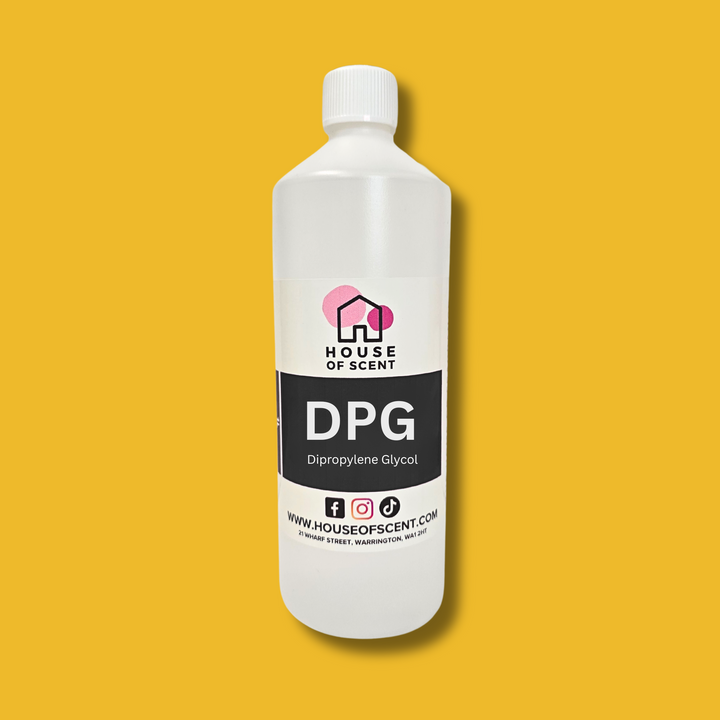
£9.99
Our high-quality, low-odour grade Dipropylene Glycol (DPG) is a versatile, low-toxicity solvent widely used in perfumery and cosmetic formulations. Thanks to its excellent solvent properties and mild scent profile, it’s ideal for creating a wide range of fragranced products for… read more
Uses of DPG in Perfumery
One of the main questions newcomers have is, "What is DPG used for?" The answer is that DPG has a variety of applications:
Fragrance Oils
DPG is commonly used to dilute concentrated fragrance oils. This makes them easier to handle and measure, while still preserving the original scent profile. By using DPG as a carrier, perfumers can ensure that even very potent oils blend smoothly with alcohol or other solvents.Reed Diffusers
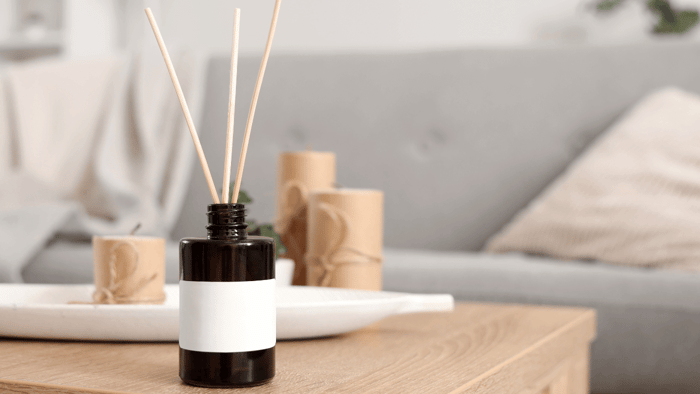
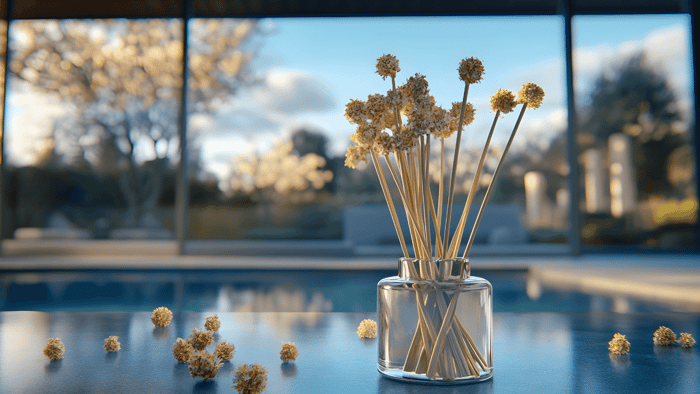
In reed diffusers, DPG helps the fragrance travel up the reeds at a steady rate. Unlike alcohol, which evaporates quickly and can create a sudden blast of scent, DPG ensures a slow and even diffusion. This is why many premium diffusers rely on a mix of DPG and fragrance oils to achieve a balanced scent throw that lasts for weeks.Room Sprays and Linen Sprays
Because DPG is a non-volatile solvent, it’s ideal for use in sprays that require a longer-lasting fragrance without the sharpness of alcohol-based formulations. It keeps the scent mellow and cosy, giving a subtle but persistent aroma that can linger on fabrics and in the air.Perfume Bottles
In eau de parfum and other long-lasting fragrances, DPG serves as a stabiliser. It slows down evaporation, allowing the top, middle, and base notes to emerge gradually. This is particularly important for complex fragrances, where you want the blend to evolve over time rather than dissipate immediately.Personal Care Products
Beyond perfumery, DPG is sometimes included in lotions, oils, and body sprays to help solubilise fragrance and maintain consistency. It ensures the scent stays true to form while being gentle on the skin.
Benefits of Using DPG
Understanding "what is DPG" isn’t complete without looking at why it’s such a popular ingredient. Here are the main benefits:
Longer Lasting Fragrance
One of the biggest advantages of DPG is its ability to slow the evaporation of fragrance oils. This means your diffusers, room sprays, and perfumes stay potent for longer, making it a practical choice for both small businesses and hobbyists.True-to-Scent Performance
DPG has almost no odour of its own, which means the fragrance you’ve painstakingly created remains unaltered. Florals stay floral, gourmand blends remain cosy and warm, and fresh notes retain their crispness. This neutrality is one of the key reasons perfumers rely on DPG over other solvents.Smooth Blending
DPG makes handling fragrance oils easier. Oils can be viscous and tricky to measure accurately, but DPG dilutes them without changing their scent, making formulations simpler and more consistent.Enhanced Safety
Unlike ethanol, which is highly flammable, DPG is much safer to handle in production. Its low volatility reduces fumes and the risk of accidental ignition, making it a more comfortable choice for makers who are mixing and bottling their own fragrances.Versatility
DPG is compatible with a wide range of fragrance types and concentrations. Whether you’re working with citrus, floral, or gourmand blends, DPG can carry the scent without clouding or separation, ensuring a clear and professional appearance.
How DPG Works in Formulations
So, how exactly does DPG achieve all of this? When you ask, "How does DPG work?", it helps to understand a little about chemistry:
Dilution: DPG reduces the viscosity of thick fragrance oils, allowing them to mix uniformly with alcohol, water, or other carrier liquids.
Stabilisation: By slowing down the rate of evaporation, DPG ensures the fragrance notes remain balanced, preventing top notes from dissipating too quickly.
Solubilisation: Some fragrance oils contain ingredients that don’t naturally mix with water or alcohol. DPG helps these oils dissolve evenly, creating a smooth, homogenous solution.
In practical terms, this means when you blend a perfume or diffuser formula with DPG, the result is a product that performs predictably. You won’t get surprises like cloudiness, separation, or a sudden overpowering scent burst. Instead, your finished product will have a professional, consistent, and pleasing aroma from start to finish.
Tips for Using DPG Effectively
If you’re ready to start experimenting with DPG, here are some tips:
Start Small
Begin with a small batch to see how your fragrance interacts with DPG. This helps avoid waste and allows you to tweak your ratios.Use Accurate Measurements
Weighing your ingredients is always better than using volume. This ensures consistency, especially when working with concentrated fragrance oils.Consider Fragrance Load
Most reed diffuser formulations use around 15–25% fragrance oil with DPG making up the remainder. Adjust based on the strength of your fragrance and the type of diffuser or spray you’re creating.Test Your Blend
Always let your formulation sit for 24–48 hours to ensure it’s fully mixed and stable. Check for cloudiness, separation, or any changes in scent profile.Follow Safety Guidelines
While DPG is safer than alcohol, always use gloves and work in a well-ventilated area. Ensure your finished product complies with IFRA usage limits, CLP labelling requirements, and any applicable local fragrance regulations. For cosmetic products, make sure your formulation meets CPSR (Cosmetic Product Safety Report) obligations to guarantee safety and legal compliance.
DPG vs Other Solvents
Understanding "what is DPG" also involves comparing it to other common bases:
Ethanol/Alcohol: Evaporates quickly, can create a sharp scent blast, and may alter delicate fragrance notes.
Mineral Oil: Thick, slow-moving, and can result in weak scent throw, especially in reed diffusers.
DPG: The perfect middle ground — neutral, low odour, stable, and slow-evaporating for long-lasting performance.
This balance makes DPG a favourite for perfumers and home fragrance makers who want predictable, high-quality results.
Final Thoughts
So, what is DPG? In short, it’s a colourless, odourless, and versatile solvent that carries fragrance oils efficiently, stabilises scent profiles, and enhances product longevity. Whether you’re making reed diffusers, room sprays, or perfumes, DPG is an indispensable tool in the perfumer’s kit.
By understanding its uses, benefits, and how it works, you can create products that smell true to your vision, last longer, and feel more professional. For anyone serious about fragrance creation, learning to work with DPG is a step towards mastering the art of perfumery and home fragrance.
Disclaimer
The information provided in this blog is for educational and informational purposes only, based on our knowledge, research, and experience at the time of writing. Formulation results using DPG may vary depending on raw materials, fragrance types, concentrations, and individual production methods. Readers are encouraged to carry out their own testing before manufacturing or selling any finished products.
It is the reader’s responsibility to ensure product safety, perform appropriate stability and compatibility testing, and comply with all applicable regulations and guidelines, including IFRA usage limits, CLP labelling requirements, and CPSR obligations for cosmetic products. House of Scent accepts no responsibility or liability for any losses, damages, or outcomes resulting from the use of information provided in this blog.
FAQs
What is DPG used for in perfumes and home fragrance?
DPG (Dipropylene Glycol) is primarily used as a solvent and carrier for fragrance oils. It helps scents remain stable, disperses fragrance evenly in reed diffusers, room sprays, and linen sprays, and allows perfumes to last longer without altering the fragrance profile.
Is DPG safe to use in fragrance products?
When handled correctly, DPG is considered safe for fragrance applications. Always use gloves, work in a ventilated area, and ensure your finished products comply with IFRA usage limits, CLP labelling, and, for cosmetics, CPSR requirements to meet safety and regulatory standards.
How do I mix DPG with fragrance oils?
A common guideline is to use DPG as the majority solvent, with fragrance oils making up a smaller percentage. Start with small test batches, weigh your ingredients accurately, and let the blend sit for 24–48 hours to ensure stability. Adjust percentages based on fragrance strength, the type of product (such as reed diffusers or sprays), and ensure compliance with IFRA usage limits for the fragrance oils being used.