


Table of Contents
- What Makes a Wax Suitable for Container Candles?
- Soy Wax: The Go-To for Many Makers
- Paraffin Wax: Strong Scent and Smooth Finish
- Coconut Wax: A Premium Option
- Rapeseed Wax: A European Favourite
- Blended Waxes: Designed for Performance
- Container Wax vs Pillar Wax: Why the Difference Matters
- How Wax Choice Affects Fragrance Performance
- Choosing the Right Wax for Your Needs
- Final Thoughts
- Disclaimer
- FAQs
Choosing the right wax is one of the most important decisions you’ll make when creating container candles. The wax determines how your candle burns, how well it throws fragrance, how it looks in the jar, and how enjoyable it is to use overall. With so many options available, it’s no surprise that many makers find themselves asking the same question: Which Wax is Best for Container Candles?
The truth is, there isn’t a single universal answer. Different waxes suit different goals, skill levels, and candle styles. This guide explores the most commonly used waxes for container candles, how they behave, and how to decide which one is right for you.
What Makes a Wax Suitable for Container Candles?
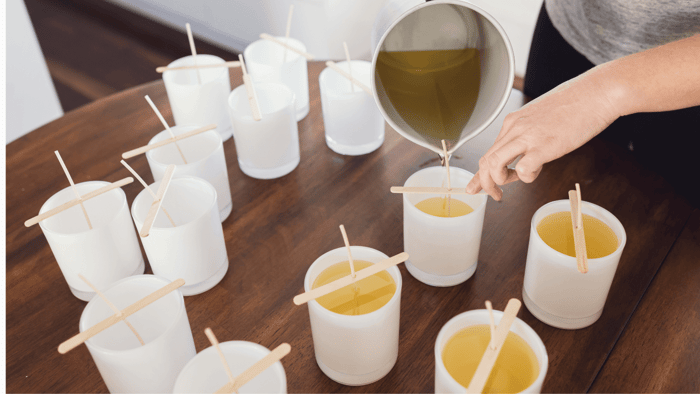
Before diving into specific wax types, it’s important to understand what container candles actually need. Unlike pillar or moulded candles, container candles are designed to melt within a vessel. This means the wax must be soft enough to melt evenly and adhere to the container sides as it cools.
A good container wax should:
Have a lower melting point
Create an even melt pool
Hold fragrance oil effectively
Burn safely without excessive soot
Adhere well to glass or tins
Understanding these requirements makes it easier to answer the question: Which Wax is Best for Container Candles?
Soy Wax: The Go-To for Many Makers
Soy wax is one of the most widely used waxes for container candles, particularly among beginners and eco-conscious brands.
Soy wax is made from hydrogenated soybean oil and is renewable and biodegradable. It burns slower than many other waxes, which can result in longer-lasting candles.
Advantages of Soy Wax
Natural and plant-based
Clean, slow burn
Good fragrance retention
Widely available in the UK
Drawbacks of Soy Wax
Can frost or develop white patches
Sensitive to temperature changes
Requires curing time for optimal scent throw
Soy wax is often the first answer people give when asked, Which Wax is Best for Container Candles?, especially for hobbyists and small businesses focused on sustainability.
Kerax KeraSoy 4130 Soy Blend Container Wax
£5.95
KeraSoy 4130 Soy Blend Container Wax is perfect for jar and container candles as it provides excellent container adhesion, with minimal shrinkage, delivering an excellent finished appearance in clear glass. An exclusive blend of soy and other natural waxes, it… read more

Paraffin Wax: Strong Scent and Smooth Finish
Paraffin wax has been used in candle making for decades and remains popular in commercial production.
It is a petroleum-based wax that excels in fragrance throw and visual finish. Paraffin candles often look glossy and smooth straight out of the jar, making them visually appealing.
Advantages of Paraffin Wax
Excellent hot and cold scent throw
Smooth, professional appearance
Easy to colour
Consistent performance
Drawbacks of Paraffin Wax
Not renewable
Burns faster than soy
Less appealing to eco-focused customers
For makers prioritising scent performance above all else, paraffin often becomes the answer to Which Wax is Best for Container Candles?
Coconut Wax: A Premium Option
Coconut wax is a newer option in the candle-making world and is commonly used in luxury candles. It is made from cold-pressed coconut oil and is typically blended with other waxes to improve stability.
Advantages of Coconut Wax
Clean, slow burn
Excellent scent throw
Creamy, luxurious appearance
Sustainable source
Drawbacks of Coconut Wax
Higher cost
Often too soft when used alone
Requires careful wicking
Coconut wax is ideal for premium brands and makers who want to elevate their products. For those aiming to produce high-end candles, coconut blends may answer Which Wax is Best for Container Candles? in a very compelling way.
EcoCoco Container Blend Wax
£7.95
EcoCoco Container Blend is a premium natural wax, specially developed for container candles. This high-performance wax is a 100% natural blend, made primarily from coconut wax, with natural, plant-based performance additives. It contains no soy, palm, paraffin, or genetically modified… read more

Rapeseed Wax: A European Favourite
Rapeseed wax is becoming increasingly popular in the UK and Europe due to its local sourcing and sustainability credentials.
Made from rapeseed oil, this wax offers a good balance between performance and environmental impact.
Advantages of Rapeseed Wax
Grown and produced in Europe
Lower carbon footprint
Smooth finish with correct pouring
Clean burn
Drawbacks of Rapeseed Wax
Less widely available
Can be sensitive to pour temperature
Slight learning curve
For UK-based makers who want a sustainable yet effective wax, rapeseed wax is often the answer when asking Which Wax is Best for Container Candles?
Blended Waxes: Designed for Performance
Many container waxes on the market are blends, combining two or more wax types to balance strengths and minimise weaknesses.
Common blends include:
Soy–paraffin blends
Coconut–soy blends
Rapeseed–coconut blends
These waxes are often engineered specifically for container candles, making them reliable and consistent. Blends can improve scent throw, reduce frosting, and create smoother finishes.
For many experienced makers, blended waxes ultimately become the best answer to Which Wax is Best for Container Candles?
Container Wax vs Pillar Wax: Why the Difference Matters
One common mistake beginners make is using pillar wax in containers. Pillar wax is harder, has a higher melting point, and is designed to stand alone.
Using pillar wax in containers can cause:
Poor melt pools
Weak scent throw
Cracking or pulling away from the container
When choosing wax, always ensure it is labelled specifically for container candles. This distinction plays a huge role in determining Which Wax is Best for Container Candles?
How Wax Choice Affects Fragrance Performance
Different waxes absorb and release fragrance oils in different ways. Most container waxes can handle fragrance loads between 5–10%, but the wax structure affects how that scent is perceived.
Soy wax often needs longer curing
Paraffin releases scent quickly
Coconut blends offer strong and balanced throw
If fragrance performance is your top priority, wax selection becomes even more important when deciding Which Wax is Best for Container Candles?
Choosing the Right Wax for Your Needs
Rather than searching for a single “best” wax, it’s more helpful to consider what you want from your candles.
Ask yourself:
Is sustainability important to my brand?
Do I prioritise scent strength or burn time?
Am I making candles for personal use or sale?
How much testing am I willing to do?
Your answers will naturally guide you towards the wax that best fits your goals and finally resolves the question: Which Wax is Best for Container Candles?
Final Thoughts
Wax choice is the foundation of every successful container candle. From soy and paraffin to coconut and rapeseed, each wax has its own strengths and challenges. There is no one-size-fits-all solution — only the wax that works best for your style, audience, and process.
By understanding how different waxes behave and what they offer, you’ll be able to make informed decisions, improve your candle quality, and confidently answer the question Which Wax is Best for Container Candles? for yourself.
Testing, patience, and curiosity are key — and with the right wax, your container candles will truly shine. ✨
Disclaimer
This article discussing which wax is best for container candles is intended for educational and informational purposes only. Candle making involves hot wax, open flames, and combustible materials, and appropriate safety precautions should always be followed. Candle performance can vary based on wax type, fragrance load, wick selection, container choice, and environmental conditions. Always conduct small-batch testing and follow supplier recommendations before making or selling candles. House of Scent is not responsible for any damage, injury, loss, or unsatisfactory results arising from the use or reliance on the information provided in this guide.
FAQs
Which wax is best for beginners making container candles?
Soy wax is often the best choice for beginners because it’s easy to work with, forgiving, and widely available. It burns cleanly and holds fragrance well, making it a great starting point for container candles.
Can I use pillar wax for container candles?
No, pillar wax is not suitable for container candles. Pillar wax is harder and has a higher melting point, which can lead to poor melt pools and weak scent throw when used in containers. Always choose a wax specifically designed for container candles.
How do I choose the right wax for my candle business?
When deciding which wax is best for your container candles, consider your priorities such as scent strength, sustainability, appearance, and cost. Testing different waxes or blends is the best way to find what works for your fragrances, containers, and brand style.