


Table of Contents
- Why Heat Affects Wax Melt Making
- Pouring in Hot Weather
- Be Mindful of Your Fragrance Oils
- Storage Matters More Than Ever
- Choosing Summer-Friendly Fragrances
- Shipping During a Heatwave
- Should You Change Your Recipe?
- Testing Never Stops
- Common Summer Mistakes to Avoid
- Don't Let Heatwaves Hold You Back
- Final Thoughts
- FAQs
Wax Melt Making: What Every Maker Should Know During Heatwaves
When the weather warms up, many makers look forward to brighter days, busy markets and seasonal collections. However, wax melt making during a heatwave can bring its own set of challenges. From softer wax and stronger fragrance evaporation to storage concerns and shipping delays, high temperatures can affect every stage of your process. Understanding how wax melt making changes in hot weather can help you maintain quality, reduce waste and keep your customers happy throughout the summer.
Whether you're an experienced maker or just starting out, a few simple adjustments can make a huge difference. Here's everything you need to know about wax melt making when temperatures begin to soar.
Why Heat Affects Wax Melt Making
Temperature plays a much bigger role in wax melt making than many people realise. Wax is naturally sensitive to heat, so even if your products look perfectly fine indoors, the environment around you can influence how they perform.
During a heatwave, you may notice:
- Wax taking longer to cool properly.
- Colours appearing slightly different once set.
- Fragrance behaving differently when poured.
- Finished melts feeling softer than usual.
- Packaging becoming warm during storage or transit.
None of these automatically mean your products are faulty. They're simply signs that your usual process may need a few seasonal adjustments.
Pouring in Hot Weather
One of the biggest changes in wax melt making during summer is how your wax cools.
If the room is particularly warm, wax remains liquid for longer. While this might seem harmless, slower cooling can sometimes lead to:
- Uneven surfaces
- Minor sinkholes
- Frosting with certain waxes
- Longer curing times
If possible, work in a cooler room with good airflow. You don't need an ice-cold workspace, but avoiding direct sunlight and excessive indoor heat can help your wax cool more evenly.
It's also worth monitoring your pouring temperatures rather than relying on habit. Small seasonal adjustments often produce better results than sticking rigidly to winter routines.
Be Mindful of Your Fragrance Oils
Fragrance oils are another important consideration during wax melt making in hot weather.
Warm temperatures don't necessarily damage high-quality fragrance oils, but they can affect how they behave during production if they become excessively warm before use.
Store your fragrance oils somewhere cool, dry and away from direct sunlight. Keeping them at a stable temperature helps maintain consistency from batch to batch.
Storage Matters More Than Ever
After wax melt making, proper storage becomes even more important.
Freshly poured wax melts should be left to cure in a cool environment away from direct sunlight. Avoid garages, conservatories or window sills where temperatures can fluctuate dramatically.
Good storage helps preserve:
- Shape
- Finish
- Fragrance quality
- Overall appearance
Many makers also choose to store finished stock inside sealed containers to help protect them from dust, humidity and excessive warmth.
Choosing Summer-Friendly Fragrances
While cosy bakery scents remain popular all year, summer is a fantastic opportunity to introduce fresher collections.
Many customers naturally gravitate towards fragrances inspired by:
- Fresh laundry
- Citrus fruits
- Tropical fruits
- Marine notes
- Clean cotton
- Botanical florals
These lighter fragrances often feel perfectly suited to warmer weather and can encourage repeat purchases throughout the season.
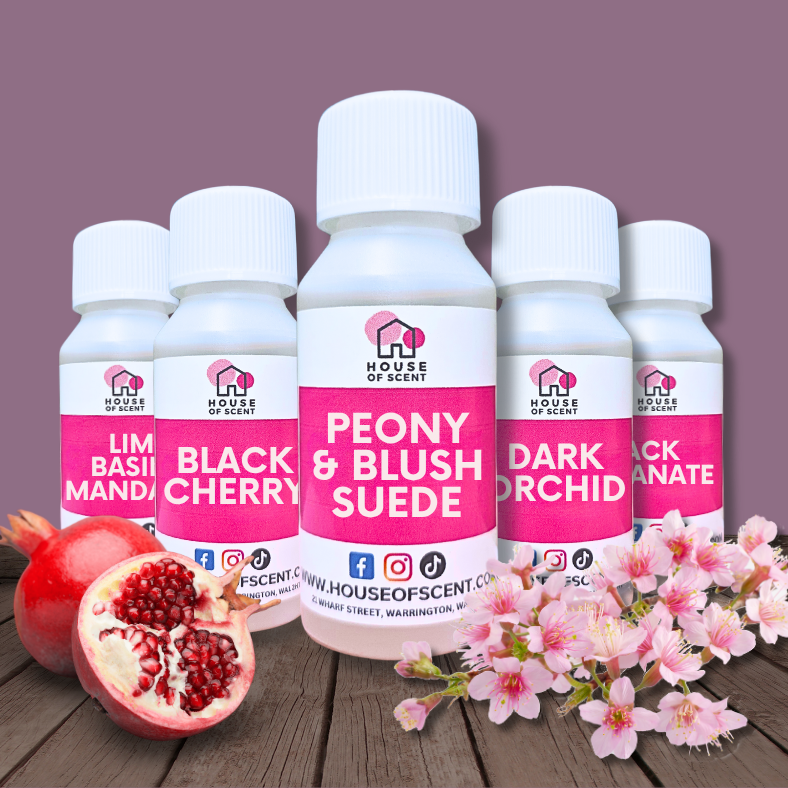
Explore our collection of fresh, fruity and uplifting fragrance oils to create your perfect summer range 🌸
Shipping During a Heatwave
One aspect of wax melt making that often catches newer makers by surprise is shipping.
Even perfectly made wax melts can soften if they're left inside a hot delivery van or parcel locker for several hours.
While you can't control the weather, you can reduce the risks by:
- Posting parcels earlier in the week.
- Avoiding dispatch before weekends where possible.
- Using sturdy packaging.
- Informing customers about possible weather-related delays.
Many small businesses also choose to temporarily delay dispatch during exceptionally high temperatures to help protect their products.
Most customers appreciate honesty when it's explained that you're prioritising product quality.
Should You Change Your Recipe?
Generally, no.
When wax melt making, changing your wax or fragrance percentages simply because of hot weather isn't usually necessary.
Instead, focus on improving your environment:
- Keep your workspace cooler.
- Allow extra curing time if needed.
- Monitor pouring temperatures.
- Store products correctly.
Consistency is often better than making frequent formula changes that create new variables.
Testing Never Stops
Every season offers valuable learning opportunities.
Summer is an excellent time to continue testing your products under different conditions. Leave samples in warmer rooms (without exposing them to unsafe temperatures), evaluate packaging performance and monitor how fragrances develop over time.
Keeping simple notes after each batch can help you identify patterns that improve future wax melt making.
Some makers discover that slight adjustments to pouring temperatures produce smoother finishes, while others find that different moulds release more cleanly in warmer weather.
The more you test, the more confident you'll become.
Common Summer Mistakes to Avoid
Even experienced makers occasionally fall into habits that don't work well during heatwaves.
Try to avoid:
- Leaving wax or fragrance oils in direct sunlight.
- Pouring in extremely hot workspaces.
- Packing freshly poured melts before they've fully cured.
- Overfilling storage shelves where heat builds up.
- Ignoring weather forecasts before dispatching orders.
Small preventative steps often save far more time than fixing issues later.
Don't Let Heatwaves Hold You Back
It's easy to feel frustrated if your usual routine suddenly produces different results, but remember that every maker experiences seasonal changes.
Successful wax melt making isn't about achieving perfection every single time - it's about understanding your materials and adapting when conditions change.
Heatwaves are temporary, and with a few practical adjustments, you can continue creating beautiful products with confidence.
Many experienced makers actually use summer as an opportunity to review their processes, improve storage, test new fragrances and prepare for the busy autumn season ahead.
Final Thoughts
Wax melt making during a heatwave may require a little extra planning, but it certainly doesn't have to stop your creativity.
By paying attention to your workspace, storing your supplies correctly, allowing your products to cure properly and planning your shipping carefully, you can continue producing wax melts you're proud to sell.
Remember that every batch teaches you something new. Seasonal changes are simply another part of your journey as a maker, and the more experience you gain, the easier it becomes to adapt.
If you're planning your next collection, now is also the perfect time to experiment with exciting new fragrances and build a range your customers will love throughout summer and beyond.
Ready to refresh your fragrance collection? Explore our extensive range of premium fragrance oils and discover inspiration for your next wax melt-making project.
Disclaimer: The information in this blog is intended for general guidance and educational purposes only. Results may vary depending on the type of wax, fragrance oil, equipment and environmental conditions you use. We always recommend carrying out your own testing to determine the best methods for your products and workspace.