

Table of Contents
- Understanding the Costs of a Home-Based Wax Melt Business
- 2. Moulds and Containers
- 3. Equipment: Making Production Efficient
- 4. Labels and Compliance
- 5. Marketing and Branding
- 6. Insurance and Safety Measures
- 7. How Much Does It Cost to Start a Wax Melt Business? Summary
- Tips to Reduce Startup Costs
- Final Thoughts
- Disclaimer
- FAQs
How Much Does It Cost to Start a Wax Melt Business from Home?
If you’ve ever dreamed of turning your love for fragrances into a profitable venture, you’re probably wondering: how much does it cost to start a wax melt business from home? Unlike large-scale candle businesses, wax melts offer a low-risk, flexible entry into the world of home fragrance. But even small-scale operations require thoughtful planning, budgeting, and realistic expectations. In this guide, we’ll break down the costs involved in launching your home-based wax melt business and provide actionable tips to keep your startup lean and profitable.
Understanding the Costs of a Home-Based Wax Melt Business
Before diving in, it’s important to realize that how much does it cost to start a wax melt business depends on the scale of your operation, the quality of materials you choose, and whether you want to build a luxury or budget-friendly brand. Home-based setups can range from a few hundred pounds for a minimalist start-up to over a thousand for a more professional launch. Let’s look at the main cost categories.
1. Materials: Wax, Fragrance Oils, and Dyes
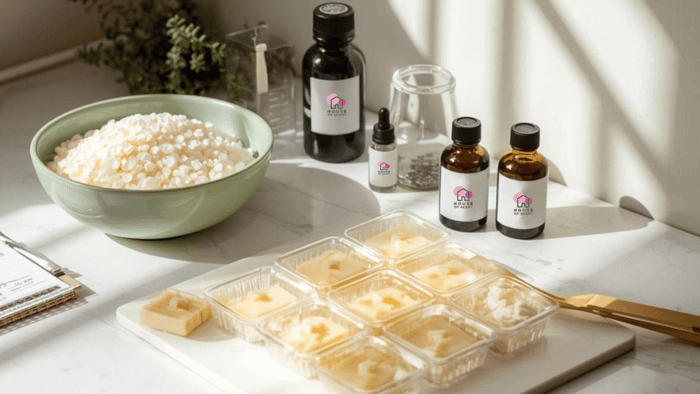
The backbone of your wax melt business is, of course, the wax itself. Popular options include soy, paraffin, or eco-friendly blends. Quality wax ensures smooth melting, strong scent throw, and a professional finish — all factors that directly affect repeat purchases and play a major role when people ask how much does it cost to start a wax melt business.
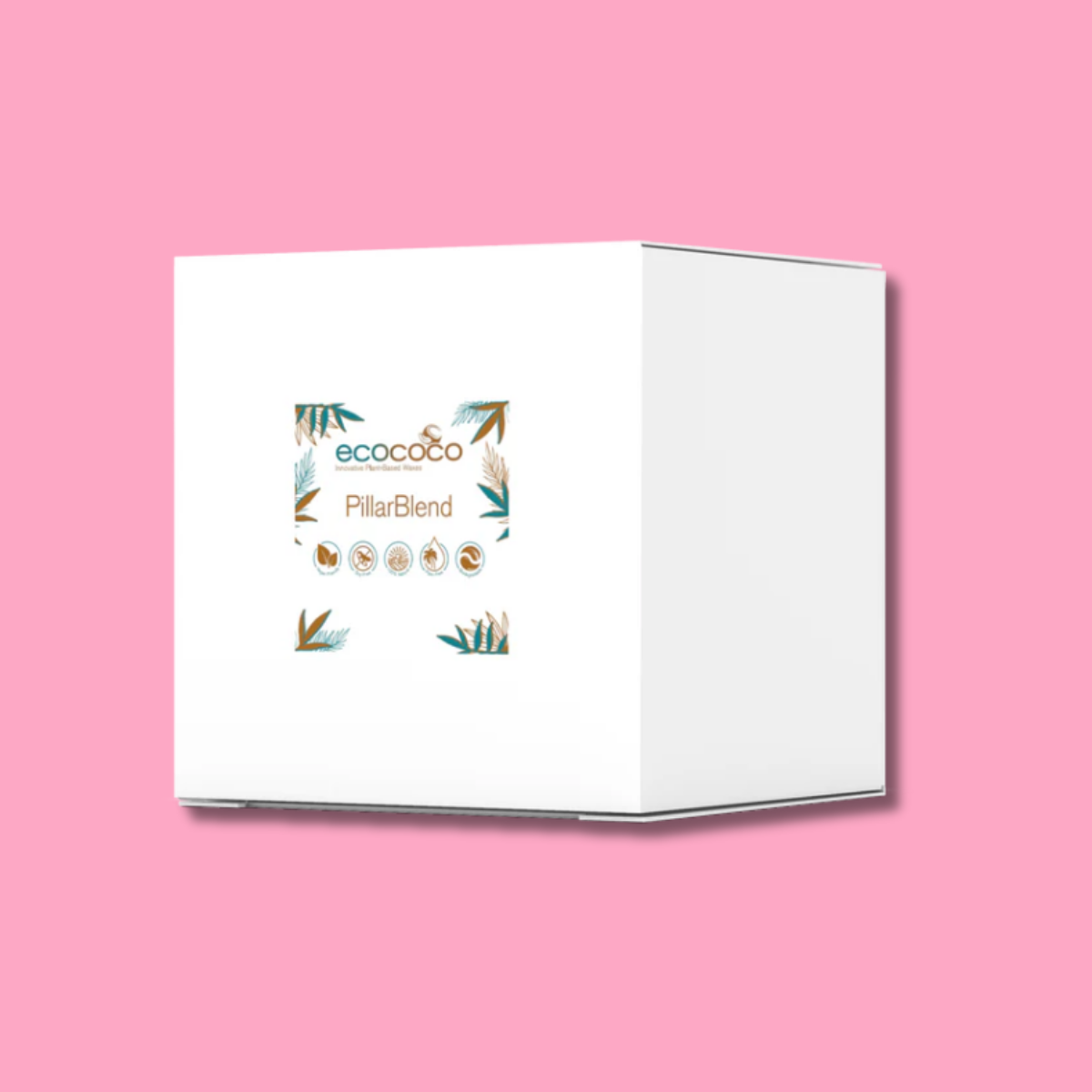
Wax: If you’re just starting out, sourcing reliable wax without overcommitting on bulk orders is key. Our wax supplies include soy pillar options starting from £5.95, offering a practical entry point for testing recipes and small production runs. As a general industry benchmark, a kilo of soy wax typically costs between £7–£12, depending on blend, performance, and quality. We highly recommend the below wax for newbie wax melt makers:
EcoSoya Melt Wax
£7.95
EcoSoya Melt is an all natural soy wax specifically designed for making perfect wax melts. This wax exhibits great scent throw, vibrant colours and excellent mould release. Truly the perfect natural wax for smooth and creamy surface finish. This wax… read more

Fragrance oils: Scent is what sells wax melts, so choosing the right fragrance oils matters. Prices generally range from £15–£30 per 100ml depending on scent strength and formulation. At House of Scent, we offer fragrance oils in 10g bottle sizes starting from £1.99, perfect for testing new scents without large upfront costs — all backed by a money-back guarantee for added peace of mind.
Dyes: A smaller upfront investment, usually under £10 to start with a basic colour palette, especially if you’re aiming for simple, cohesive designs.
For a small batch of 50–100 wax melts, initial material costs typically sit around £50–£100. As you grow, buying in bulk can significantly reduce your cost per melt and improve profit margins.
2. Moulds and Containers
Even though wax melts don’t require jars like candles, you still need moulds or clamshells to shape your products.
Silicone moulds: £5–£20 each, depending on shape and size.
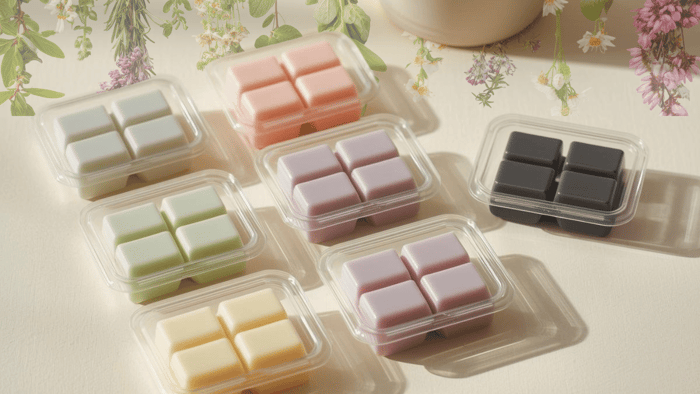
Clamshell packaging: £0.50–£1 per pack, ideal for presentation and resale.
Investing in reusable moulds is cost-effective over time, especially if you plan to create multiple scent variations.
3. Equipment: Making Production Efficient
Starting from home doesn’t mean cutting corners on equipment. Good tools improve consistency, safety, and productivity.
Melting pots or double boilers: £30–£60
Digital scales: £10–£20
Thermometers: £5–£15
Spatulas, spoons, and heat-resistant gloves: £10–£20
A basic setup can be around £60–£120. If you want to scale quickly, investing in larger melting pots or automated pouring equipment may increase your costs but will save time in the long run.
4. Labels and Compliance
One often-overlooked area is legal compliance. Selling wax melts requires proper labeling to meet UK regulations, especially if you’re using fragrance oils that may cause allergies.
CLP-compliant labels: £20–£50 for a batch of 100–200 labels
Printer or printing service: £50–£100 depending on volume
Being compliant protects your business and builds customer trust. Don’t skimp here — it’s a necessary expense for any serious seller.
Learn more about CLP Labelling on CLP Labels for Candles & Wax Melts: A Complete Guide
5. Marketing and Branding
Even the most beautiful wax melts won’t sell themselves. Branding and marketing are essential parts of your budget.
Logo and branding: £50–£200 if hiring a designer, free if using DIY tools.
Website or e-commerce store: £10–£30 per month for platforms like Shopify or Etsy fees.
Social media advertising: Optional, starting around £5–£20 for small campaigns.
For a home-based business, marketing costs can be modest at first, but reinvesting profits here often accelerates growth.
6. Insurance and Safety Measures
Even at home, insurance protects against accidents, product damage, or liability claims.
Product liability insurance: £50–£150 per year depending on coverage.
Fire safety equipment: £20–£50 for extinguishers, heat mats, and smoke detectors.
These costs may seem minor but are essential for running safely and responsibly.
7. How Much Does It Cost to Start a Wax Melt Business? Summary
Now that we’ve broken down the major areas, let’s summarize estimated startup costs for a small home-based operation:
| Category | Estimated Cost |
|---|---|
| Materials (wax, fragrance oils, dyes) | £50–£100 |
| Moulds & packaging | £20–£50 |
| Equipment (melting pots, scales, thermometers) | £60–£120 |
| Labels & compliance | £50–£100 |
| Branding & marketing | £50–£200 |
| Insurance & safety | £70–£200 |
| Total Estimated Cost | £300–£770 |
For those asking how much does it cost to start a wax melt business, this range provides a realistic starting point without overspending. You can start lean and scale gradually as orders increase.
Tips to Reduce Startup Costs
Start small: Focus on 5–10 core scents instead of dozens.
Buy in bulk: Wax and fragrance oils are cheaper when purchased in larger quantities.
DIY branding: Use Canva or free design tools for logos and labels initially.
Reinvest profits: Use early sales to fund expansion rather than borrowing money.
Leverage free marketing: Organic social media growth and local craft fairs reduce paid ad costs.
Final Thoughts
So, how much does it cost to start a wax melt business from home? While every business will differ, you can realistically launch with around £300–£770. Starting small lets you test the market, build repeat customers, and refine your products without taking on unnecessary risk.
The real key to success isn’t just the money you spend — it’s careful planning, quality products, and consistent branding. Wax melts are inexpensive to produce compared to candles, but a thoughtful approach ensures your hobby can turn into a sustainable, profitable home-based business.
Remember, these numbers are a starting point. Your unique choices in materials, equipment, and marketing will shape your actual costs. By understanding expenses upfront, you’ll be in a much stronger position to grow your wax melt business with confidence.
Disclaimer
The information in this blog is provided for educational and informational purposes only, based on our knowledge, research, and experience at the time of writing. While we aim to offer accurate guidance on starting and running a wax melt business from home, the costs and figures mentioned are estimates and may vary depending on suppliers, location, and individual circumstances. Readers should conduct their own research and verify all information independently before making business or financial decisions. It is the reader’s responsibility to ensure product safety, test recipes thoroughly, and comply with all relevant regulations, including Cosmetic Product Safety Reports (CPSR) for skin-contact products, IFRA guidelines for fragrance usage, CLP labelling requirements (which can be DIY or professionally printed), and maintaining appropriate business insurance. House of Scent accepts no liability for any losses, damages, or actions taken based on the content of this blog.
FAQs
Do I need insurance and CLP labels to sell wax melts from home?
Yes. Even for a home-based business, product liability insurance and CLP-compliant labels are essential if you plan to sell wax melts legally in the UK. CLP labels provide important safety and allergen information, while insurance protects you in case of accidents or claims. These costs should be factored into your startup budget from the beginning.
Can I start a wax melt business without buying everything in bulk?
Yes, absolutely. Many beginners start without bulk buying to reduce risk. Using smaller quantities of wax and tester-sized fragrance oils allows you to experiment with scents, recipes, and branding before committing to larger orders. Once you understand what sells, bulk purchasing can help lower your cost per melt and improve profit margins.
Discover House of Scent's premium fragrance oils here starting from a 10g bottle size.
How long until I start making money from selling wax melts?
If you start small and keep costs low, you could start earning a little profit in 1–3 months. Wax melts are cheap to make, so once you cover your first batch of supplies, each sale adds to your earnings. Focus on making nice-smelling melts, packaging them neatly, and telling people about your products — that’s what helps you start earning faster.