


Table of Contents
- Why Proper Storage Matters
- 1. Store Oils in a Cool, Dark Place
- 2. Keep Bottles Tightly Sealed
- 3. Use PET Bottles Correctly
- 4. Avoid Temperature Fluctuations
- 5. Label and Date Your Oils
- 6. Beginner-Friendly Handling Tips
- 7. Crystallisation — What It Means
- 8. How Long Do Fragrance Oils Last?
- 9. Can Weather Affect Fragrance Oils?
- 10. Seasonal Tips
- Explore More of Our Scent Collection
- Key Questions
- Want to Learn More?
- Conclusion
- FAQs
How to Store Fragrance Oils Properly
Fragrance oils are essential for candle makers, soap makers, and home fragrance enthusiasts across the world. Whether you’re creating cosy winter candles, wax melts, or fresh spring soaps, proper storage ensures your aromatic ingredients stay fresh, strong, and reliable.
For beginners, it can be tricky to know how to store fragrance oils correctly. Many crafters worry about heat, sunlight, air exposure, or even crystallisation. This guide provides practical, easy-to-follow tips, explains why good storage matters, and answers common questions about keeping scented blends in top condition. By following these tips, your oils will maintain their intended scent and consistency for longer, making every project smell just right.
Why Proper Storage Matters
These scented blends are delicate mixtures of aromatic compounds. Exposure to the wrong conditions can cause them to degrade, weakening or changing the scent. The main factors that affect oils are:
Heat: Accelerates oxidation, which can weaken the aroma or alter it completely.
Light: UV exposure may fade bright citrus or floral notes, leaving your oils duller.
Air: Even a small amount of oxygen can slowly oxidise the oils, changing the fragrance profile over time.
With the right habits, your scented ingredients can remain vibrant for 12–24 months — often longer, ensuring your candles, soaps, and wax melts always smell as intended.
1. Store Oils in a Cool, Dark Place
Keeping your oils out of heat and light is the simplest yet most effective storage method. Tips include:
Store bottles in a cupboard, drawer, or a dedicated craft shelf
Avoid windowsills or areas near radiators
Keep storage temperatures ideally between 15–25°C
Tip: On frosty winter mornings, avoid placing bottles near cold windows. During rare UK heatwaves, a lower cupboard or shelf works best.
Your oils will stay happiest in a cool, dark place where they can rest undisturbed.
2. Keep Bottles Tightly Sealed
Air exposure is one of the biggest threats to fragrance oils. Follow these steps to reduce oxygen contact:
Close caps tightly after each use
Wipe any residue from the lid
Avoid leaving multiple bottles open while working
Pro Tip: If you’re using several scents, employ a pipette or dropper to reduce the need to open bottles repeatedly.
Helpful Tools:
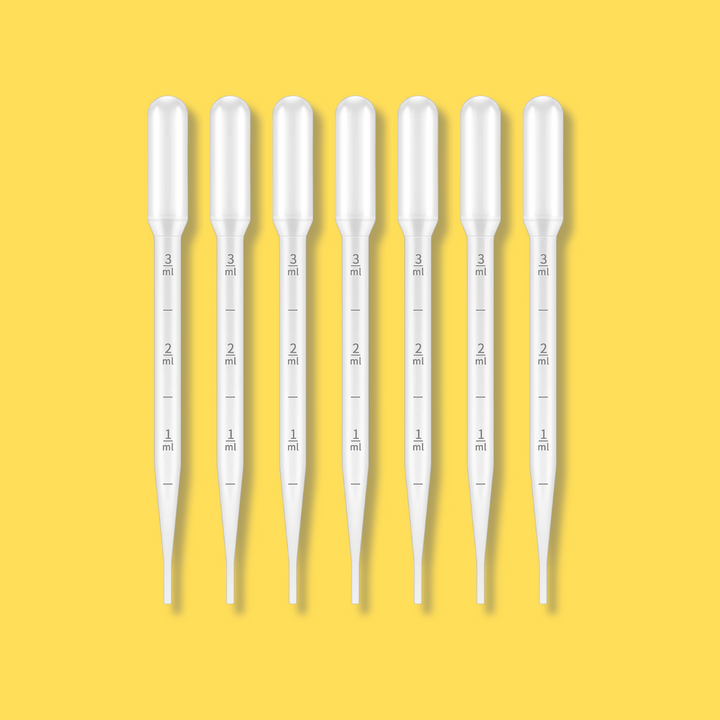
Disposable pipettes are ideal for accurate measuring and minimising air exposure.
Pipettes
£1.99
£2.49
These 3ml reusable pipettes are an essential tool for any crafter working with fragrance oils, liquid dyes, essential oils, or soap bases. Designed for accurate measuring and precise application, they’re perfect for soap sponges, wax melts, and cosmetic-making projects. Key… read more
3. Use PET Bottles Correctly
Our oils are packaged in high-quality PET bottles — lightweight, durable, and shatter-resistant. It performs well when scents are:
Stored in a cool, dark place
Kept away from sunlight
Sealed tightly after use
Handled properly, PET bottles maintain the integrity of your oils and make storage and handling easier.
4. Avoid Temperature Fluctuations
The UK’s unpredictable climate can affect your oils' appearance. Sudden changes in temperature may cause:
Cloudiness
Thickening
Temporary separation
These changes affect only the look of your oils, not their performance.
Tips for Stability:
Avoid garages, sheds, or conservatories
Keep oils in a room with consistent indoor temperatures
Allow cold oils to warm naturally before use
A stable environment ensures your oils stay consistent and reliable.
5. Label and Date Your Oils
Organisation is key as your collection grows. Labeling helps track freshness and plan restocks. Include:
Scent name
Supplier or brand
Date opened
This way, you can rotate older bottles first and prevent accidental use of degraded oils.
6. Beginner-Friendly Handling Tips
For those new to working with fragrance oils, these habits are essential:
Measure with a digital scale in grams: The most accurate way to ensure consistency in candles, soaps, and wax melts
Use pipettes or droppers for clean dispensing and to limit bottle exposure to air
Keep bottles out of storage only when needed
Work over a tray or washable surface to avoid staining
Close bottles immediately after use
Tools You’ll Need:
Pipettes, droppers, and scales make handling oils easier and keep them fresh longer.
Need measuring tools? Shop Pipettes →
7. Crystallisation — What It Means
Some fragrance oils, especially those high in vanillin (like vanilla or bakery scents), may crystallise or look cloudy in cold conditions. This is completely normal.
Tip: You can let the bottle warm to room temperature naturally, or place the sealed bottle in a cup of warm (not hot) water for a few minutes to help it return to a smooth consistency. These visual changes don’t affect the oil’s scent or quality.
8. How Long Do Fragrance Oils Last?
When stored properly, most remain stable for 12–24 months. Protecting them from light, heat, and air ensures the scent strength and performance are maintained throughout their shelf life.
9. Can Weather Affect Fragrance Oils?
Yes — but only visually:
Cold weather may make oils thicker or slightly cloudy
Warm indoor days can make them runnier
These changes are normal and reversible once the oils return to a stable temperature.
10. Seasonal Tips
Winter: Keep oils away from drafty windows; allow them to warm naturally
Spring: Make sure bottles are sealed to avoid pollen contamination
Summer: Store in the coolest cupboard; lower shelves are best
Autumn: Keep oils dry as humidity rises
Following these tips helps keep oils consistent while relating storage advice to everyday life.
Explore More of Our Scent Collection
Ready to refresh your collection? Browse our wide range of aromatic blends suitable for candles, wax melts, and soaps:
Key Questions
What’s the best way to measure fragrance oils?
Use a digital scale to measure in grams for accurate, consistent results. Pipettes or droppers are also useful for dispensing oils cleanly while limiting exposure to air.
How long do fragrance oils last?
Most oils stay stable for 12–24 months if stored properly.
Should oils be refrigerated?
No — condensation and temperature swings can harm them. Room temperature is ideal.
Why are my oils cloudy or crystallised?
High-vanillin blends may crystallise in cold conditions. Warm the bottle gently to return it to normal.
Do PET bottles affect oil quality?
No. High-quality PET bottles protect oils when stored away from light and heat.
Can weather affect oils?
Yes — visually only. Cold can make them thicker, warm days runnier. Both are reversible.
Want to Learn More?
If you’d like to go beyond storage and explore best practices for handling and using fragrance oils safely, here are some helpful blogs:
Conclusion
Storing oils correctly is simple but essential. Keep them cool, sealed, and protected from light, avoid rapid temperature changes, and handle them carefully. By following these practical and seasonal tips, your aromatic blends will remain vibrant and ready for every candle, soap, or wax melt you create.
Disclaimer: The information provided in this blog is based on our knowledge, experience, and research at the time of writing. While we strive to ensure accuracy, we encourage readers to conduct their own research and verify information independently, especially when making business or purchasing decisions. It is the reader’s responsibility to carry out thorough product testing, particularly before commencing batch production. Customers are fully responsible for checking the latest IFRA documentation, using the correct CLP labels for their specific products, and ensuring they hold the relevant CPSR assessments where required. House of Scent is not liable for any actions taken based on the content of this blog.
FAQs
How long do fragrance oils last?
Most fragrance oils last 12–24 months with proper storage. Some can last longer, though scent strength may soften over time.
Should I refrigerate fragrance oils?
No — refrigeration causes condensation and instability. Room temperature is best.
Why is my fragrance oil cloudy or crystallised?
Cold weather can cause vanillin-heavy oils to crystallise. Warm the bottle gently and it will return to normal.
Do fragrance oils expire?
They don’t “go bad,” but heat, light, and air can affect scent quality. Proper storage extends their life.
What’s the best way to measure fragrance oils?
The most accurate way to measure fragrance oils is by using a digital scale and weighing in grams — this ensures consistent results for candles, wax melts, and soaps. Pipettes or droppers are also useful for dispensing the oil cleanly while keeping bottle exposure to air at a minimum.