


Table of Contents
- Why Storytelling Works for Fragrance Marketing
- Start With the Atmosphere of Spring
- Build a Story Around the Inspiration of the Scent
- Focus on Sensory Details
- Turn Product Descriptions Into Mini Stories
- Use Storytelling in Social Media Content
- Connect Fragrances With Everyday Spring Moments
- Incorporate Customer Stories
- Use Storytelling in Email Marketing
- Keep the Story Consistent Across Your Brand
- Final Thoughts
- FAQs
How to Use Seasonal Storytelling to Sell Spring Scents
Spring is a season that naturally inspires emotion, imagery, and sensory experiences. After the darker and colder months of winter, people often look forward to brighter days, blooming flowers, and the feeling of renewal that the season brings. For fragrance brands, this shift in atmosphere presents a valuable marketing opportunity. Understanding How to Use Seasonal Storytelling to Sell Spring Scents can help businesses create deeper connections with customers while highlighting the unique mood of their products.
Fragrance is closely tied to memory and emotion, which makes storytelling a powerful tool for marketing scented products. Rather than focusing only on fragrance notes, seasonal storytelling allows brands to create narratives that help customers imagine how a scent fits into their lifestyle. By learning How to Use Seasonal Storytelling to Sell Spring Scents, businesses can transform ordinary product descriptions into memorable experiences that inspire customers to buy.
In this guide, we will explore how storytelling can enhance spring fragrance marketing, the types of narratives that resonate with customers, and practical ways to incorporate storytelling into your marketing strategy.
Why Storytelling Works for Fragrance Marketing
Scent is deeply connected to emotion and personal memories. A particular fragrance can instantly remind someone of a specific place, person, or moment in time. This emotional connection is what makes storytelling such an effective marketing strategy.
When brands simply describe a scent using technical notes like “jasmine,” “bergamot,” or “fresh linen,” customers may understand the fragrance profile, but they might not feel emotionally connected to it. However, when a brand tells a story about the scent—perhaps a peaceful garden in early spring or a quiet morning walk through blooming orchards—it creates an experience that customers can visualise.
Learning How to Use Seasonal Storytelling to Sell Spring Scents allows fragrance brands to appeal to emotions rather than just product specifications. This approach makes fragrances feel more personal, memorable, and desirable.
Start With the Atmosphere of Spring
To effectively practise How to Use Seasonal Storytelling to Sell Spring Scents, it is important to capture the atmosphere of the season itself.
Spring is often associated with:
Blooming flowers
Fresh rain and clean air
Warm sunlight after winter
New beginnings and growth
Outdoor gatherings and open windows
When crafting stories around spring fragrances, these seasonal elements can serve as inspiration. For example, instead of describing a candle as “floral and fresh,” you might describe it as capturing the moment when the first flowers bloom after winter, filling the air with a soft and uplifting fragrance.
These seasonal cues help customers imagine the scent within a familiar and comforting environment.
Build a Story Around the Inspiration of the Scent
Every fragrance has an origin or inspiration. It might come from nature, travel experiences, memories, or seasonal moods. One of the key principles of How to Use Seasonal Storytelling to Sell Spring Scents is sharing that inspiration with your audience.
For example, if your spring fragrance contains notes of citrus and herbs, the story could focus on a sunny kitchen garden where lemon trees and fresh herbs grow in the morning light. If the fragrance is floral, the story might centre on a peaceful countryside meadow filled with blossoms.
Customers enjoy learning about the creative inspiration behind products. This type of storytelling helps them understand why the fragrance was created and what experience it is meant to evoke.
Focus on Sensory Details
Strong storytelling uses vivid sensory details to help readers imagine a scene. When writing fragrance descriptions or marketing content, incorporating sensory language can significantly enhance the story.
You might describe:
The gentle warmth of spring sunlight
The scent of flowers carried on a soft breeze
Fresh rain on garden soil
The peaceful atmosphere of early morning
Including sensory elements allows customers to visualise the environment surrounding the fragrance. Mastering How to Use Seasonal Storytelling to Sell Spring Scents means guiding customers through these sensory experiences so they feel emotionally connected to the scent before even smelling it.
Turn Product Descriptions Into Mini Stories
Traditional product descriptions often list fragrance notes and burn time, but storytelling can transform those descriptions into something more engaging.
Instead of writing:
“A candle with notes of jasmine, rose, and fresh linen.”
You might write:
“Inspired by a quiet spring morning, this fragrance captures the moment when freshly opened windows allow the scent of blooming jasmine and soft linens to drift through the home.”
This approach demonstrates How to Use Seasonal Storytelling to Sell Spring Scents by helping customers picture the environment the fragrance represents.
Short stories like this work well on product pages, packaging descriptions, and social media captions.
Use Storytelling in Social Media Content
Social media provides the perfect platform for seasonal storytelling. Instead of simply posting product photos, brands can use captions to share the story behind each fragrance.
Examples of storytelling-focused content include:
Describing the inspiration behind a spring scent
Sharing a memory connected to the fragrance
Posting a short narrative about a peaceful spring day
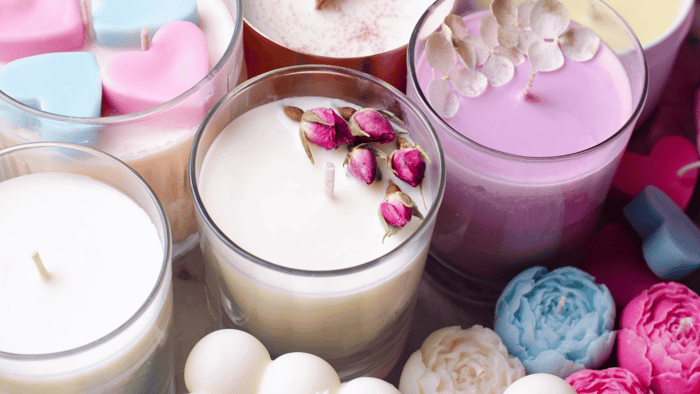
Pairing candle images with descriptive storytelling captions
Visual elements such as flowers, sunlight, and outdoor settings can strengthen the story even further.
When brands consistently apply How to Use Seasonal Storytelling to Sell Spring Scents across their social media platforms, they create a stronger emotional presence that resonates with followers.
Connect Fragrances With Everyday Spring Moments
Another powerful storytelling approach involves linking scents with everyday seasonal moments.
Spring is filled with simple experiences that people enjoy, such as:
Opening windows on a sunny morning
Drinking tea in the garden
Refreshing the home after winter
Hosting small gatherings with friends
By connecting fragrances to these familiar activities, brands demonstrate how their products fit naturally into customers’ lifestyles.
Using everyday moments is a practical method for implementing How to Use Seasonal Storytelling to Sell Spring Scents, as it makes the fragrances feel relatable and meaningful.
Incorporate Customer Stories
Customers themselves can become part of your brand’s storytelling.
Encouraging customers to share their own experiences with your spring fragrances creates authentic and relatable content. These stories might include how they use the candle while relaxing at home, reading a book, or preparing their home for guests.
Featuring customer stories in marketing campaigns demonstrates real-life connections to your products. It also helps build trust with potential buyers.
Including these authentic perspectives is another effective strategy within How to Use Seasonal Storytelling to Sell Spring Scents, as it adds credibility and emotional depth to your brand.
Use Storytelling in Email Marketing
Email marketing offers a more personal environment for storytelling. Unlike short social media captions, emails provide space to develop longer narratives.
A spring-themed email might describe the arrival of warmer weather, the scent of fresh flowers, and the joy of refreshing a home after winter. From there, the story can naturally introduce a fragrance that captures that atmosphere.
Using narrative-driven emails is an excellent example of How to Use Seasonal Storytelling to Sell Spring Scents, as it allows brands to guide readers through a complete sensory journey.
Keep the Story Consistent Across Your Brand
Consistency is important when using storytelling in marketing. If your brand emphasises spring gardens and natural landscapes, this theme should appear across multiple marketing channels.
Your storytelling could appear in:
Product descriptions
Website banners
Social media posts
Email campaigns
Packaging text
Maintaining a consistent narrative strengthens brand identity and ensures customers recognise your unique storytelling style.
This consistency reinforces How to Use Seasonal Storytelling to Sell Spring Scents as a long-term branding strategy rather than a one-time marketing tactic.
Final Thoughts
Seasonal storytelling transforms fragrance marketing from simple product promotion into an emotional experience. By focusing on atmosphere, sensory language, and relatable moments, fragrance brands can create narratives that make customers feel connected to their products.
Understanding How to Use Seasonal Storytelling to Sell Spring Scents allows brands to showcase fragrances in ways that feel meaningful, memorable, and inspiring. Instead of presenting scents as basic products, storytelling invites customers to imagine how those fragrances enhance their daily lives.
Ultimately, mastering How to Use Seasonal Storytelling to Sell Spring Scents helps fragrance businesses capture the beauty and optimism of spring while building stronger relationships with their audience through powerful and engaging narratives.
Disclaimer
This article, How to Use Seasonal Storytelling to Sell Spring Scents, is provided for informational purposes only. Marketing strategies and results may vary depending on your business, audience, and market conditions. Readers should conduct their own research or seek professional advice before applying any strategies mentioned in this blog.
FAQs
Why is storytelling effective for selling spring fragrances?
Storytelling helps customers emotionally connect with a fragrance by creating a vivid scene or experience around it. Instead of focusing only on scent notes, storytelling allows customers to imagine moments like spring mornings, blooming gardens, or fresh rain, making the fragrance more memorable and appealing.
Where can seasonal storytelling be used in fragrance marketing?
Seasonal storytelling can be used across many marketing channels, including product descriptions, social media captions, email newsletters, website content, and packaging. Using consistent storytelling across platforms helps create a stronger brand identity and deeper connection with customers.
What elements make a good spring fragrance story?
A strong spring fragrance story often includes sensory details such as sunlight, flowers, fresh air, or rain. It should create a clear mood or atmosphere that helps customers visualise how the fragrance fits into everyday spring moments.