

Table of Contents
Isopropyl Alcohol: Essential for DIY Crafts & Cleaning
For makers, crafters, and anyone who enjoys DIY projects, having the right tools and ingredients is essential. Among the many essentials in a creative workspace, Isopropyl Alcohol stands out as one of the most versatile and practical substances you can keep on hand. Whether you are creating bath bombs, candles, soaps, or simply maintaining a clean and organised workspace, this clear, fast-evaporating liquid has a place in almost every DIY kit.
Unlike many specialised materials, this alcohol offers both functional and creative uses. It is not just a cleaning agent — it helps bring your projects to life, ensures your tools perform better, and allows you to work with precision and efficiency. In this guide, we will explore the multiple ways you can use this essential ingredient, practical tips for safe handling, and inspiring DIY ideas for home and craft enthusiasts.
What Is Isopropyl Alcohol?
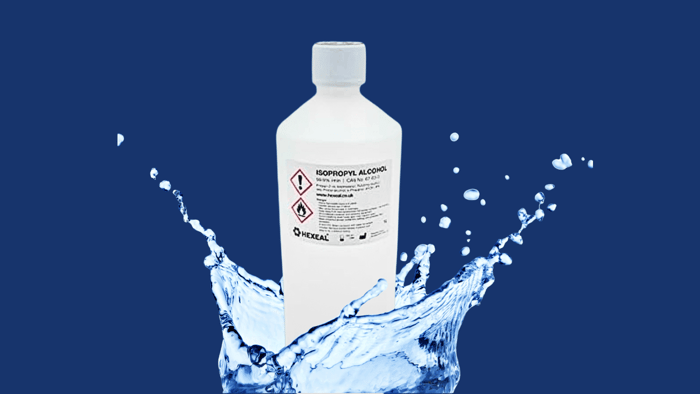
Isopropyl Alcohol, sometimes called rubbing alcohol or IPA, is a colourless, highly flammable liquid widely used in cleaning, sanitising, and DIY projects. Its main properties are its ability to dissolve oils, resins, and sticky residues, and its rapid evaporation, which leaves surfaces clean without watermarks or residue.
The product available at House of Scent is 99.9% pure, making it ideal for both personal and professional use. Its high purity ensures maximum effectiveness in craft applications and reliable cleaning performance, whether you’re maintaining tools, preparing surfaces, or working with delicate materials.
Chemically, this liquid is safe to use in controlled amounts, but because it is highly flammable and volatile, it requires careful handling. For makers, understanding its properties opens up a world of practical and creative possibilities.
Isopropyl Alcohol
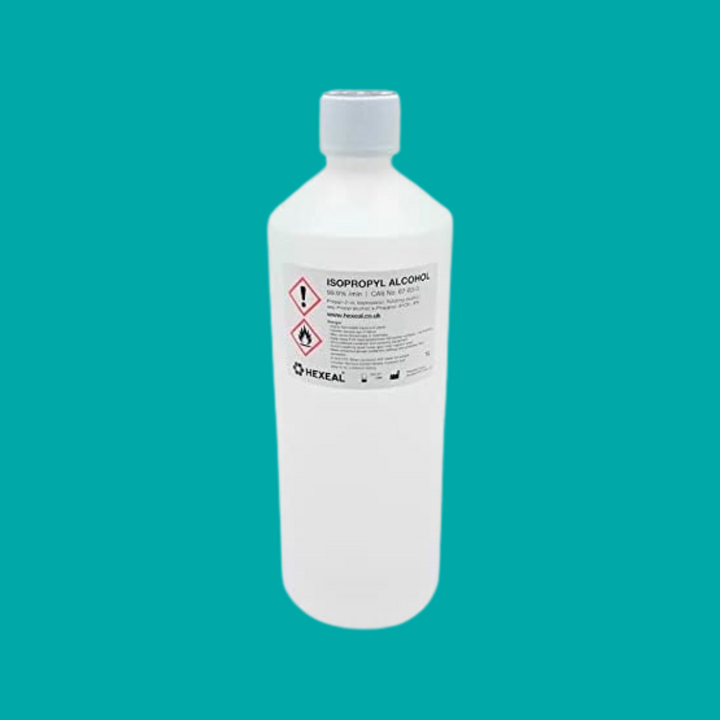
£7.99
A versatile essential for crafting and soap making. ISO can be used to mix with mica powders to create vibrant paints. Simply combine mica powder with a small amount of ISO to form a smooth, paint-like consistency. Use a fine brush… read more
Using Isopropyl Alcohol in Crafting
One of the reasons Isopropyl Alcohol is a favourite among crafters is its versatility. It is a critical component in several DIY projects, particularly those involving soaps, candles, and resins.
Cleaning Tools and Moulds
A clean workspace is a happy workspace. When crafting soaps, candles, or wax melts, residue and oils can build up on moulds, spatulas, and brushes. Using the alcohol allows you to wipe down tools quickly, removing any sticky or greasy build-up. Because it evaporates so fast, tools are ready to use again almost immediately. This ensures that your next batch of creations looks flawless and professional.
Smoothing Surfaces in Soap and Wax Crafts
In soap-making, especially cold process soap, air bubbles can form on the surface. Spritzing a small amount onto the top of freshly poured soap can help eliminate these bubbles, giving a smooth and even finish. Similarly, when working with wax melts or candles, this can help remove fingerprints and smudges on moulds or finished pieces, making your products look polished and ready for presentation.
Creating DIY Paints and Finishes
Another exciting use of this essential ingredient is in creating custom paints for candles or other wax products. By mixing mica powders with IPA, makers can produce a paint-like mixture that is easy to apply to surfaces. The liquid carries the pigment smoothly, and because it evaporates quickly, the finish dries fast without smudging or bleeding. This method allows you to create intricate designs and add a personal touch to your creations.
You can dive into candle painting on🕯️Can You Paint Candles? A Step‑by‑Step Guide with Mica Powder 🎨
Isopropyl Alcohol for Household Cleaning
Beyond crafting, this alcohol is incredibly effective for general cleaning and maintenance around the home. Its ability to dissolve grease, oils, and sticky residues, combined with rapid evaporation, makes it a must-have for keeping surfaces pristine.
Descaling and Spot Cleaning
It works wonders on glass, mirrors, stainless steel, and chrome. This removes fingerprints, smudges, and other surface marks without leaving streaks. It can also help lift hard water deposits or mild limescale in small areas, although it is not a replacement for specialised limescale removers.
Electronics and Delicate Surfaces
Because it evaporates quickly and leaves no residue, this solvent is commonly used to clean electronics like screens, keyboards, and circuit boards. Always make sure the device is powered off before cleaning, and use a lint-free cloth or cotton swab for precision. This makes it invaluable for hobbyists or home offices where electronics need regular maintenance without risk of damage.
Residue Removal
Sticky residues from tape, labels, or packaging can be frustrating to remove. A dab of on a soft cloth or cotton pad can quickly dissolve adhesives, leaving the surface clean. Its fast-acting properties make it a preferred choice over water-based cleaning methods that may require more effort.
Safety Tips for Using Isopropyl Alcohol
While Isopropyl Alcohol is versatile and safe when used properly, it is important to follow these precautions:
Ventilation: Always use in a well-ventilated space to avoid inhaling fumes.
Flammability: Keep away from open flames, heat sources, and sparks. Do not smoke nearby.
Storage: Store in a cool, dry place in a tightly sealed container, away from children and pets.
Skin Contact: Prolonged skin exposure may cause dryness; gloves are recommended for frequent use.
Small Test First: When cleaning delicate surfaces or working with materials for the first time, always test a small area to avoid unwanted reactions.
By following these guidelines, you can enjoy all the benefits of this essential ingredient safely and effectively.
DIY Projects to Try
Here are a few practical and creative ideas to inspire your next project:
Tool and Mould Cleaning: Keep your craft tools spotless for smooth production.
Air Bubble Reduction in Soap: Spray a fine mist to smooth the top of freshly poured cold process soaps.
Mica Paint for Candles: Mix mica with IPA for vibrant, custom candle designs.
Window and Mirror Cleaning: Create streak-free glass surfaces quickly and efficiently.
Adhesive Remover: Use a cotton pad soaked in IPA to lift tape marks or sticky residue.
These applications highlight how Isopropyl Alcohol can save time, enhance results, and expand creative possibilities.
Conclusion
From crafting flawless soaps and candles to keeping your workspace spotless and tools in top condition, Isopropyl Alcohol proves itself as a true DIY essential. Its combination of cleaning power, quick evaporation, and compatibility with a variety of materials makes it an indispensable part of any maker’s toolkit. Whether you are experimenting with new creative techniques, maintaining electronics, or performing everyday cleaning tasks, a high-quality IPA like the one from House of Scent ensures reliability, efficiency, and professional results.
Having Isopropyl Alcohol on hand means smoother projects, easier cleanup, and a more enjoyable crafting experience overall. For crafters, small business makers, and DIY enthusiasts alike, it is truly a must-have ingredient.
Disclaimer
This blog is for educational and informational purposes only. The information about Isopropyl Alcohol and its uses is general guidance and does not constitute professional or regulatory advice. Always follow manufacturer instructions, perform your own testing, and ensure compliance with local laws and safety standards when using this product. House of Scent is not liable for any loss, damage, or injury arising from the use of this information.