


Table of Contents
- Perfumers Alcohol vs Oil-Based Perfumes: Pros and Cons
- What Are Alcohol-Based Perfumes?
- What Are Oil-Based Perfumes?
- Pros of Alcohol-Based Perfumes
- Cons of Alcohol-Based Perfumes
- Pros of Oil-Based Perfumes
- Cons of Oil-Based Perfumes
- Comparing Longevity
- Choosing the Right Fragrance Oils
- Safety and Compliance Considerations
- Market Considerations
- Final Thoughts
- Disclaimer
- FAQs
Perfumers Alcohol vs Oil-Based Perfumes: Pros and Cons
When it comes to creating fragrances, one of the most common questions for both hobbyists and aspiring perfume entrepreneurs is whether to use alcohol or oil as a base. Understanding the differences, benefits, and limitations of each option is crucial when deciding the best approach for your products. This article explores Perfumers Alcohol vs Oil-Based Perfumes, breaking down their pros, cons, and ideal applications.
What Are Alcohol-Based Perfumes?
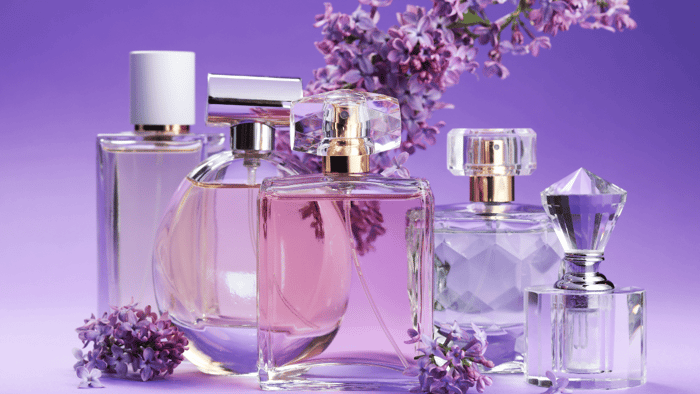
Alcohol-based perfumes use perfumers alcohol as the carrier for fragrance oils. This type of alcohol is specially formulated to blend with essential oils and fragrance compounds, creating a clear, long-lasting product. It evaporates cleanly, allowing the scent to project effectively and evenly on the skin.
Alcohol-based perfumes include familiar formats such as:
Eau de Parfum (EDP)
Eau de Toilette (EDT)
Body mists
Room and linen sprays
These products typically contain 5-20% fragrance oils depending on the desired strength and type of perfume.
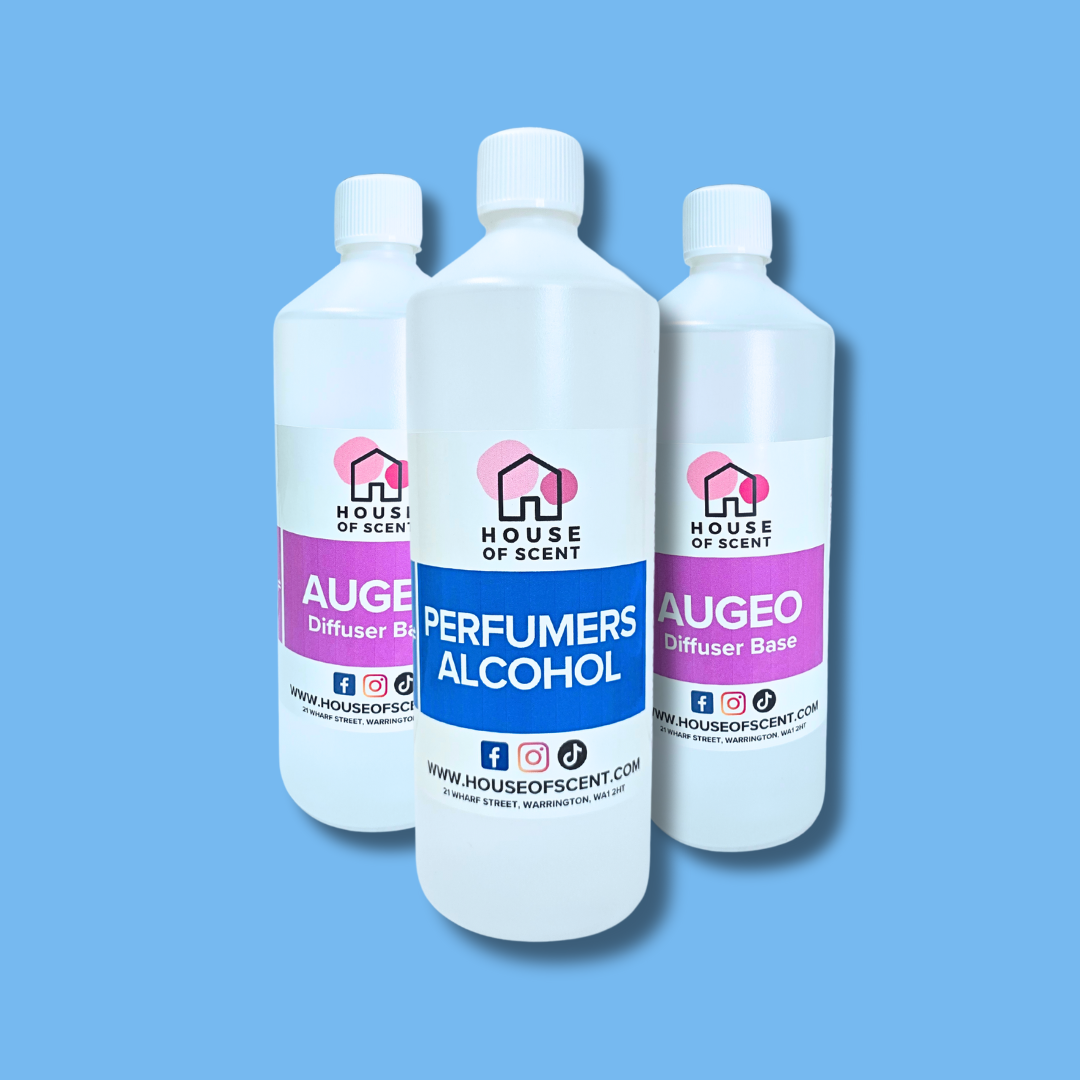
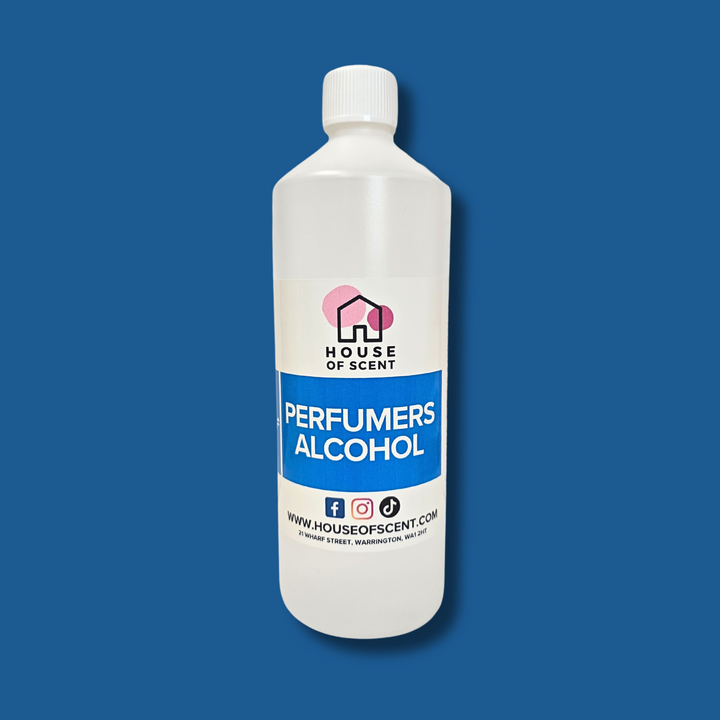
Perfumers Alcohol
£2.99
Perfumers Alcohol is the ultimate sidekick for crafting professional-quality perfumes, colognes and room sprays. Designed to blend seamlessly with your favourite fragrance oils and essential oils, this versatile base is the secret weapon to turning your dupe perfume visions into… read more
What Are Oil-Based Perfumes?
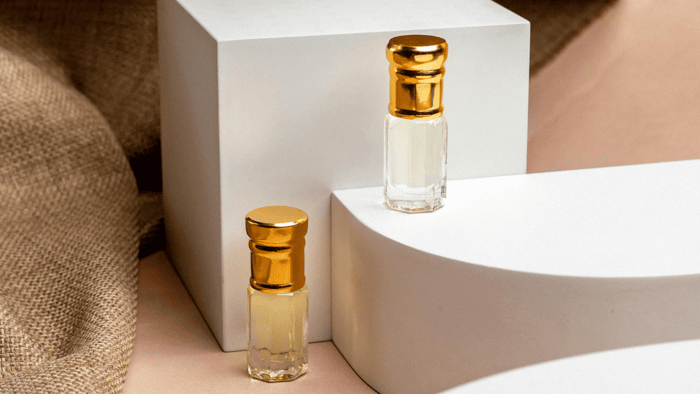
Oil-based perfumes use a carrier oil - such as jojoba, fractionated coconut oil, or sweet almond oil - to dilute fragrance oils. When comparing Perfumers Alcohol vs Oil-Based Perfumes, the main difference is that, instead of evaporating quickly like alcohol, the oil stays on the skin, allowing the fragrance to develop slowly over time.
Oil-based perfumes are often found in:
Roll-on perfumes
Solid perfumes
Some niche or luxury fragrance products
The oil base contributes to a softer, more intimate scent experience compared to alcohol-based products.
Pros of Alcohol-Based Perfumes
1. Stronger Scent Projection
One of the key advantages of alcohol-based perfumes is their ability to project scent over a greater distance. The alcohol evaporates quickly, carrying the fragrance oils into the air and making the perfume noticeable immediately upon application.
2. Quick Drying
Alcohol-based perfumes dry almost instantly on the skin, leaving a smooth, residue-free finish. This makes them ideal for sprays and mist applications where users expect convenience and a clean feel.
3. Better for Layering
Due to the fast evaporation of alcohol, these perfumes can be layered with other scented products without creating an overpowering mix. This is particularly useful for body care lines or home fragrance collections.
4. Versatility of Formats
Alcohol-based perfumes can be formulated as sprays, body mists, room sprays, and even diffusers. The versatility of perfumers alcohol allows entrepreneurs to expand their product range easily.
Cons of Alcohol-Based Perfumes
1. Potential Skin Irritation
High concentrations of alcohol can irritate sensitive skin, especially if the perfume contains strong fragrance oils. Users with delicate skin may prefer oil-based alternatives for a gentler experience.
2. Evaporation Reduces Longevity
While alcohol helps projection, it can also cause the top notes of a perfume to evaporate quickly. This means that the fragrance may not last as long as oil-based perfumes, which cling to the skin.
3. Flammability
Perfumer’s alcohol is highly flammable, so extra care is needed during formulation, storage, and shipping. Proper labelling and safety precautions are essential.
Pros of Oil-Based Perfumes
1. Long-Lasting Fragrance
Oil-based perfumes tend to last longer on the skin because oils evaporate slowly. The fragrance develops gradually, giving a rich, lingering scent that evolves throughout the day.
2. Gentle on Skin
Since oil-based perfumes lack high concentrations of alcohol, they are usually gentler and less likely to cause irritation. This makes them ideal for sensitive skin or for users who prefer a softer application.
3. Ideal for Niche or Luxury Products
Oil-based perfumes are often associated with artisanal or luxury scents. The slower evaporation and softer projection create a more intimate and personal experience, which can be marketed as a premium feature.
Cons of Oil-Based Perfumes
1. Limited Scent Projection
Oil-based perfumes don’t project as strongly as alcohol-based ones. The scent tends to stay closer to the skin, which may be a drawback if users want a noticeable fragrance that fills a room.
2. Greasy Residue
Depending on the carrier oil used, some oil-based perfumes can leave a slight residue or oily feel on the skin. Choosing the right carrier oil, such as lightweight fractionated oils, can minimise this issue.
3. Packaging Considerations
Oil-based perfumes are typically unsuitable for spray bottles unless an atomiser is specially designed for oils. Roll-ons and solid perfume containers are more common, which can limit packaging options.
Comparing Longevity
When deciding between alcohol and oil, it’s important to consider how long you want your perfume to last:
| Feature | Alcohol-Based | Oil-Based |
|---|---|---|
| Top Note Projection | High | Low |
| Base Note Longevity | Medium | High |
| Skin Dryness | Quick | Moisturising |
| Suitability for Spray Formats | Excellent | Limited |
Alcohol-based perfumes excel in instant projection and versatility, whereas oil-based perfumes provide a richer, longer-lasting scent that evolves over hours.
Choosing the Right Fragrance Oils
The type of fragrance oil you choose can also influence performance in both alcohol and oil bases. Some oils are alcohol-soluble and perform well in sprays and diffusers. Others, especially heavier or resinous oils, may be better suited to oil-based formulations where their richness can fully develop.
Testing is essential when comparing Perfumers Alcohol vs Oil-Based Perfumes. Small batch trials help determine how a fragrance behaves on skin, its longevity, and how it interacts with the chosen carrier.
Safety and Compliance Considerations
Whether you choose alcohol or oil, understanding Perfumers Alcohol vs Oil-Based Perfumes is key, and safety is paramount. For alcohol-based perfumes:
Follow IFRA guidelines for maximum fragrance oil concentrations.
Use CLP labelling for flammable products.
Store away from heat sources.
For oil-based perfumes:
Ensure carrier oils are skin-safe and allergen-free.
Conduct patch tests for sensitive skin.
Additionally, if selling in the EU or UK, obtaining a Cosmetic Product Safety Report (CPSR) is recommended for both alcohol- and oil-based products to ensure consumer safety and regulatory compliance.
Market Considerations
Understanding your target audience helps determine which format is more appropriate:
Alcohol-based perfumes are ideal for customers who want instant, noticeable fragrance and convenient spray application.
Oil-based perfumes appeal to those who prefer intimate, long-lasting scents with a gentle application.
Many successful perfume businesses offer both options, catering to different customer preferences. By doing so, you can leverage the strengths of each base while building a versatile product range.
Final Thoughts
The choice between Perfumers Alcohol vs Oil-Based Perfumes depends on the intended experience, target audience, and desired application format. Alcohol-based perfumes are versatile, fast-drying, and perfect for sprays and room fragrances, while oil-based perfumes offer longevity, gentleness, and a luxurious feel.
Entrepreneurs and hobbyists alike should consider testing both options, understanding the performance of their chosen fragrance oils, and carefully planning product ranges that meet customer expectations.
By weighing the pros and cons of Perfumers Alcohol vs Oil-Based Perfumes, you can create products that not only smell amazing but also provide a professional and enjoyable experience for users. Choosing the right base is a foundational step in producing high-quality fragrances that stand out in a competitive market.
Disclaimer
The information provided in this blog is for educational and informational purposes only. Products made with perfumers alcohol or carrier oils involve handling flammable liquids and fragrance materials that must be used safely. Always follow appropriate safety guidelines, work in a well-ventilated area, and use suitable equipment. Compliance with IFRA guidelines, CLP regulations, CPSR and any applicable local laws is your responsibility. Conduct thorough testing for performance, stability, and safety before selling or distributing any products. House of Scent is not responsible for any injuries, damages, or losses resulting from following the information provided in this blog.
FAQs
What is the main difference between alcohol-based and oil-based perfumes?
Alcohol-based perfumes use perfumers alcohol as a carrier, providing strong projection and quick drying, while oil-based perfumes use carrier oils, offering longer-lasting, intimate scents.
Which type of perfume lasts longer on the skin?
Oil-based perfumes generally last longer because the carrier oil evaporates slowly, allowing the fragrance to develop gradually. Alcohol-based perfumes may evaporate faster, reducing top note longevity.
Are alcohol-based or oil-based perfumes safer for sensitive skin?
Oil-based perfumes are typically gentler on the skin since they lack high concentrations of alcohol, which can cause irritation. Alcohol-based perfumes may irritate sensitive skin, so patch testing is recommended.