


Table of Contents
Starting a Perfume Business with Perfumers Alcohol
If you’ve ever dreamed of creating your own signature fragrances or building a business around custom scents, Starting a Perfume Business with Perfumers Alcohol can be both a creative and lucrative venture. Perfumer’s alcohol is a versatile base that allows fragrance oils to blend seamlessly, producing clear, professional-quality products that customers love. In this guide, we’ll cover everything from planning your business to formulating your first perfumes, all while keeping safety and quality in mind.
Why Choose Perfumers Alcohol?
Before diving into the business side of things, it’s important to understand why perfumer’s alcohol is the preferred base for many perfume entrepreneurs. Unlike water or carrier oils, perfumer’s alcohol is specifically designed to:
Blend effectively with fragrance oils
Evaporate cleanly without leaving residue
Preserve fragrance integrity and colour
Reduce microbial growth due to its alcohol content
This combination of properties makes perfumer’s alcohol ideal for creating perfumes that not only smell great but also look and feel professional.
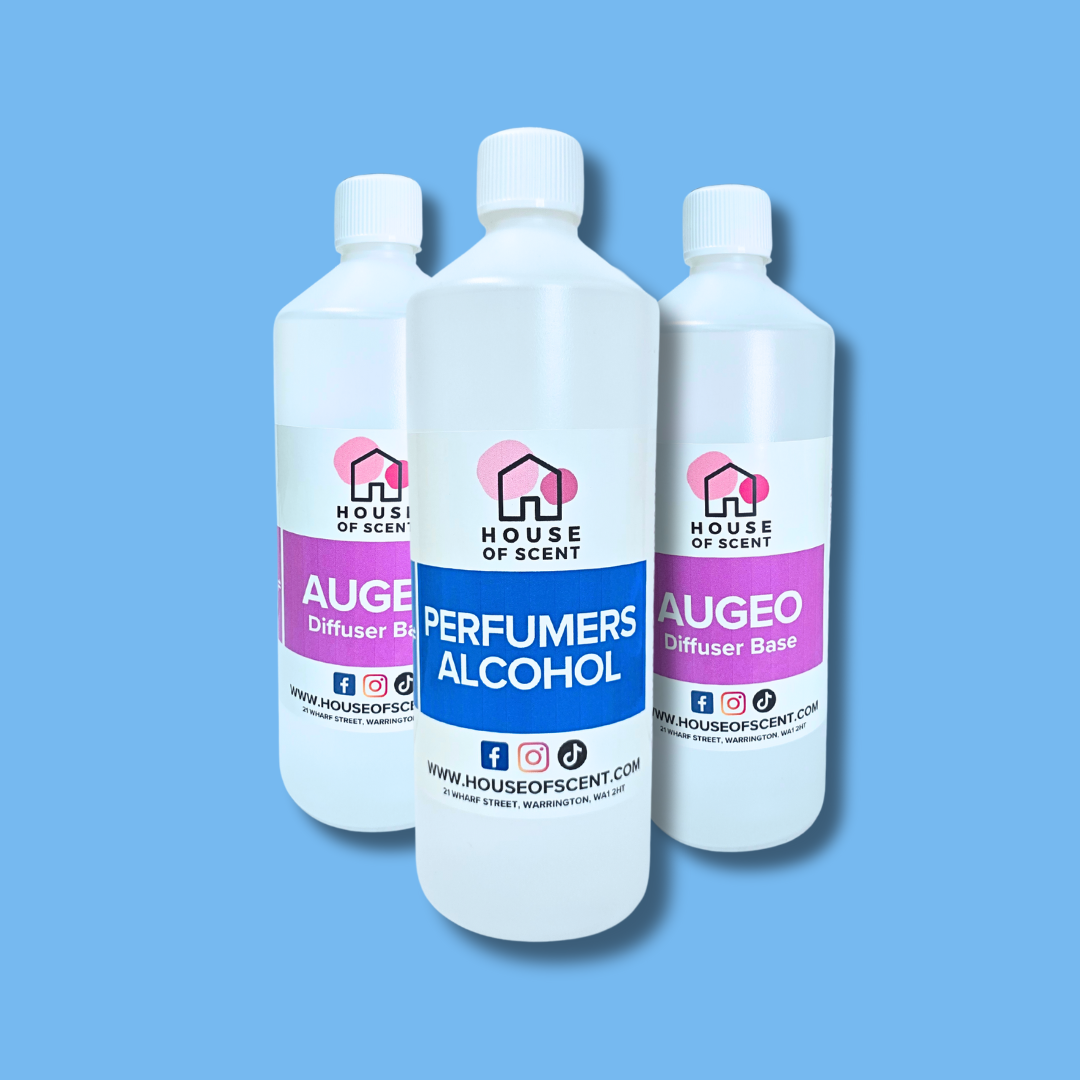
Perfumers Alcohol
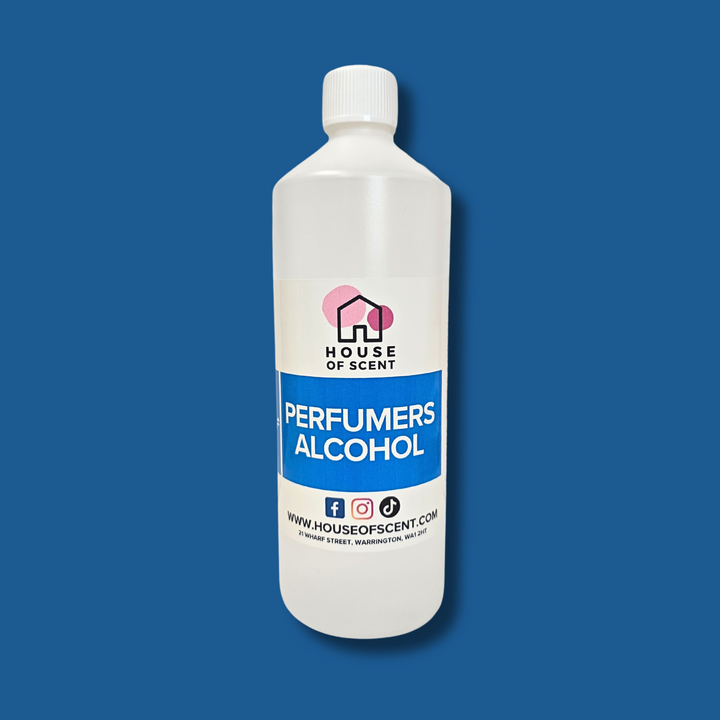
£2.99
Perfumers Alcohol is the ultimate sidekick for crafting professional-quality perfumes, colognes and room sprays. Designed to blend seamlessly with your favourite fragrance oils and essential oils, this versatile base is the secret weapon to turning your dupe perfume visions into… read more
Planning Your Perfume Business
The first step in Starting a Perfume Business with Perfumers Alcohol is careful planning. A well-thought-out plan can help you avoid common mistakes and set your business up for success. Here are the key areas to consider:
1. Define Your Niche
Perfumery is a broad market, so identifying your niche is essential. Do you want to create luxury perfumes, body mists, room sprays, or personalised fragrance lines? Choosing a specific focus helps you target your marketing, select the right fragrances, and design appealing packaging.
2. Research Your Market
Understanding your target audience is critical. What types of fragrances are trending? Are customers looking for natural, floral, or gourmand scents? Researching competitors and trends can help you position your products effectively.
3. Set Your Budget
Budgeting is crucial when Starting a Perfume Business with Perfumers Alcohol. Costs include raw materials (perfumer’s alcohol, fragrance oils, bottles, labels), equipment (pipettes, scales, mixing containers), and business essentials such as registration, insurance, and marketing.
Sourcing Quality Materials
Quality ingredients are the backbone of any successful perfume business. When using perfumer’s alcohol, selecting the right fragrance oils is just as important as choosing the alcohol itself. Here’s what to keep in mind:
Fragrance Oils
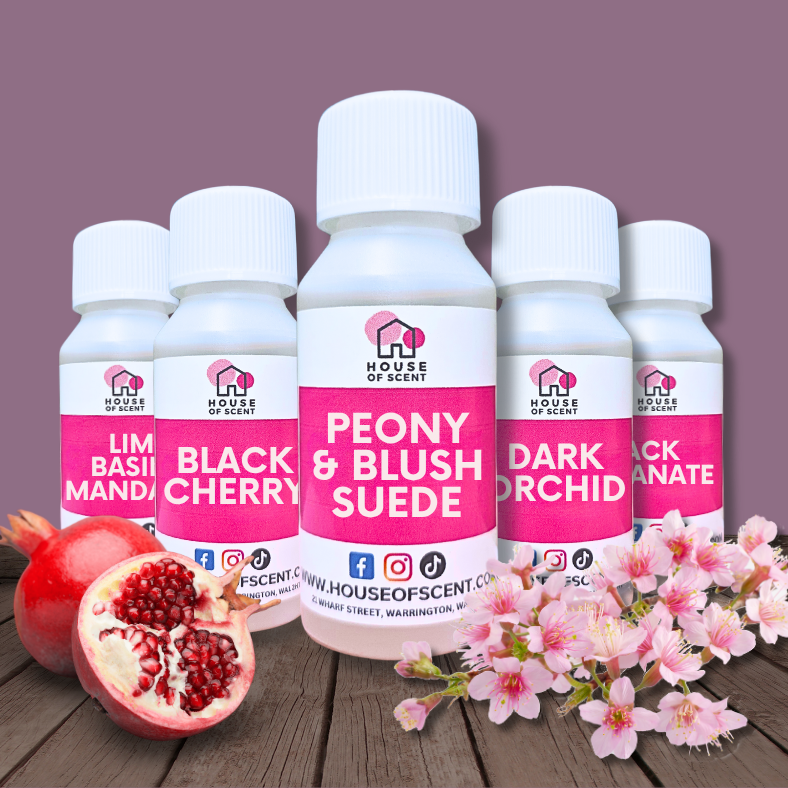
Choose oils that are compatible with alcohol and suited to your intended products. Some oils perform better in sprays or body mists, while others shine in more concentrated perfumes. Always check IFRA limits to ensure your formulations are compliant.
Bottles and Packaging
Glass bottles are ideal for perfumes as they provide a premium look and won’t react with alcohol. PET plastics are suitable for sprays but must be compatible with alcohol-based products. Labels and caps also play a key role in the perceived value of your products.
Formulating Your Perfumes
One of the most exciting parts of Starting a Perfume Business with Perfumers Alcohol is creating the fragrances themselves. Formulation involves blending fragrance oils into the alcohol base at appropriate concentrations.
Perfume Strength
Eau de Parfum (EDP): 15–20% fragrance oil
Eau de Toilette (EDT): 8–15% fragrance oil
Body Mists: 3–8% fragrance oil
These percentages may vary depending on the fragrance oil and IFRA regulations. Testing small batches before scaling up is highly recommended.
Blending Tips
Start with a simple base and gradually your chosen fragrance oil
Keep detailed notes on ratios
Allow perfumes to rest for a few weeks to fully develop the scent profile
Perfumers alcohol helps with clarity, evaporation, and scent throw, making it easier to achieve a professional result.
Compliance and Safety
When Starting a Perfume Business with Perfumers Alcohol, regulatory compliance is essential. This includes:
IFRA Standards: Ensure your fragrance oils are used within the recommended limits for the intended application.
CLP Labelling: Your products must include hazard labels if required, particularly because alcohol is flammable.
Storage and Handling: Keep alcohol and fragrance oils away from heat sources and store in a cool, ventilated area.
Cosmetic Product Safety Reports (CPSR): A mandatory safety assessment for all cosmetic products EU or UK.
Safety is not just about legal compliance - it also protects your customers and preserves the reputation of your brand.
Cosmetic Product Safety Reports (CPSR)
When Starting a Perfume Business with Perfumers Alcohol and selling products in the EU or UK, it’s important to be aware of the Cosmetic Product Safety Report (CPSR). A CPSR is a mandatory safety assessment for all cosmetic products, including perfumes, to ensure they are safe for consumer use.
The CPSR is carried out by a qualified safety assessor and reviews factors such as:
Ingredients and their concentrations
Compliance with IFRA standards
Potential allergens or irritants
Stability and microbiological safety
Having a CPSR not only ensures legal compliance but also demonstrates that your products are safe and professional. Even if you’re selling locally or online, obtaining a CPSR is highly recommended to protect your business and your customers.
Branding and Marketing
Once you have your products, focus on creating a brand that resonates with your audience. A strong brand identity will make your perfumes memorable and desirable.
Naming and Packaging
Choose names that reflect the scent profile or emotion of the fragrance
Design elegant and professional packaging
Consider eco-friendly options, which are increasingly popular
Marketing Strategies
Social media platforms such as Instagram and TikTok are excellent for showcasing products visually
Collaborate with influencers or offer sample kits to build awareness
Highlight that your products are made with high-quality perfumer’s alcohol for superior performance
Selling Your Perfumes
There are many ways to sell perfumes when Starting a Perfume Business with Perfumers Alcohol:
Online Stores: Shopify, Etsy, or your own website
Markets and Fairs: Great for local exposure
Wholesale or B2B: Selling to boutiques or spas
Ensure your pricing covers all costs and reflects the perceived value of your products. Offer bundles or gift sets to increase sales potential.
Testing and Feedback
Even after launching, continuous testing and customer feedback are crucial. Perfumes can behave differently depending on climate, storage, and skin chemistry. Encourage customers to share reviews and make improvements based on their input.
Conduct small batch tests for new formulations
Monitor customer reactions to scent longevity and performance
Adjust concentrations or combinations to optimise satisfaction
Scaling Your Business
Once you’ve established a reliable product range and a loyal customer base, consider scaling your business. Options include:
Expanding fragrance lines or seasonal collections
Introducing complementary products like body lotions or candles
Increasing production capacity while maintaining quality
Using perfumer’s alcohol ensures that your products remain professional and consistent even as you scale.
Final Thoughts
Starting a Perfume Business with Perfumers Alcohol is an exciting opportunity for creatives and entrepreneurs alike. With careful planning, high-quality ingredients, and attention to safety and compliance, you can build a brand that stands out in the fragrance market.
From fine perfumes to room sprays and body mists, perfumer’s alcohol provides a versatile base that allows your fragrances to shine. Remember, success comes from testing, learning, and refining your products while maintaining a strong brand identity.
By focusing on quality, creativity, and customer experience, your perfume business can grow from a small home operation to a professional and profitable brand. Using perfumer’s alcohol not only ensures superior performance but also helps you deliver products that your customers will love and trust.
Whether you’re just starting or looking to expand, Starting a Perfume Business with Perfumers Alcohol opens a world of possibilities for creating beautiful, professional-quality fragrances that leave a lasting impression. View Premium Fragrance Oils for Perfumes
Disclaimer
The information provided in this blog is for educational and informational purposes only. Starting a perfume business with perfumer’s alcohol involves handling flammable liquids and fragrance materials that must be used safely. Always follow appropriate safety guidelines, work in a well-ventilated area, and use suitable equipment. Compliance with IFRA guidelines, CLP regulations, CPSR and any applicable local laws is your responsibility. Conduct thorough testing for performance, stability, and safety before selling or distributing any products. House of Scent is not responsible for any injuries, damages, or losses resulting from following the information provided in this blog.
FAQs
What is the first step in starting a perfume business with perfumers alcohol?
The first step is planning your business, including defining your niche, researching your target market, and setting a budget. This ensures you create products that appeal to your audience and manage costs effectively.
Why is perfumers alcohol recommended for making perfumes?
Perfumers alcohol blends well with fragrance oils, evaporates cleanly, preserves scent integrity, and has antimicrobial properties. It produces professional-quality perfumes, sprays, and mists with excellent scent throw.
How can I ensure my perfume products are safe and compliant?
To ensure your products are safe and meet regulations, always follow IFRA guidelines for fragrance oil usage, apply CLP labelling where required, and store materials safely. Conduct thorough testing for stability, performance, and microbiological safety. Additionally, obtain a Cosmetic Product Safety Report (CPSR) from a qualified assessor, which evaluates ingredients, concentrations, and potential allergens to confirm your perfume is safe for consumers. Compliance with these steps protects both your customers and your business.