



Table of Contents
Flashpoint vs Pouring Temperature: Key Differences Explained
When it comes to candle making, understanding temperatures is one of the most important skills for achieving beautiful, safe, and professional results. Many beginner makers often confuse flashpoint vs pouring temperature, thinking they are the same or interchangeable. In reality, these two concepts serve very different purposes, and knowing the distinction can make the difference between a perfect candle and a potentially dangerous or poorly performing one.
In this guide, we’ll explore what flashpoint and pouring temperature actually mean, why they are both essential, and how to apply this knowledge practically in your candle-making process.
What is Flashpoint?
The term flashpoint refers to the lowest temperature at which a liquid — typically fragrance oil or wax — can ignite when exposed to an open flame. Essentially, it’s a safety measure. Fragrance oils are flammable, and understanding their flashpoints is crucial to prevent accidental fires or injuries in the workshop.
Every fragrance oil has a flashpoint, often listed on its IFRA certificate or safety datasheet. For example:
A vanilla fragrance oil may have a flashpoint of 60°C
A citrus fragrance oil could have a flashpoint of 62°C
It’s important to note that flashpoint is not related to how your candle will perform in terms of scent throw or appearance. It is purely about safety. Pouring wax above the flashpoint of an added fragrance oil increases the risk of ignition, so this is where many beginners make mistakes.
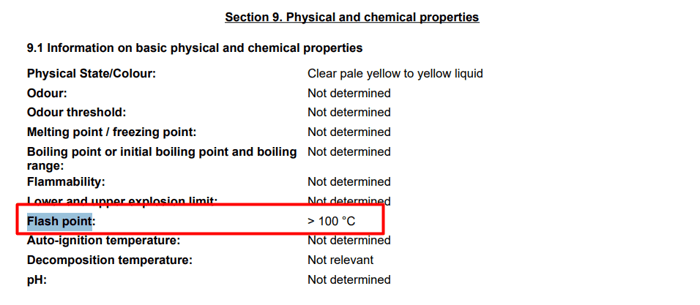
You can find the Flash point of a House of Scent fragrance in the MSDS sheet, available for view/download on the website, normally under Section 9.
Why Flashpoint Matters
Ignoring flashpoint can be dangerous. When fragrance oil is added to wax at or above its flashpoint, even a small spark or exposure to heat can cause the mixture to catch fire. For this reason, experienced makers always:
Check the flashpoint of each fragrance oil before use.
Never pour wax above the flashpoint temperature of the oil being added.
Work in a well-ventilated, uncluttered space to reduce fire risks.
By keeping flashpoint in mind, you protect yourself, your workspace, and anyone handling your candles.
What is Pouring Temperature?
While flashpoint is about safety, pouring temperature is all about performance. Pouring temperature refers to the ideal temperature at which melted wax is poured into a mould or container to create your candle. It affects:
The final surface finish of your candle
Wax adhesion to containers
Scent throw and fragrance retention
Avoiding issues like frosting, cracking, or sinkholes
Different waxes have different optimal pouring temperatures. For example:
Soy wax often pours best at 55–65°C
Paraffin wax may require 60–70°C
Beeswax generally pours around 70–75°C
Pouring too hot can cause fragrance oils to evaporate too quickly, reducing scent. Pouring too cool can create surface imperfections and poor adhesion. Always stick to the pouring temperatures suggested by your supplier.
Flashpoint vs Pouring Temperature: The Key Differences
Now that we’ve defined both terms, let’s look at the distinctions clearly.
| Feature | Flashpoint | Pouring Temperature |
|---|---|---|
| Purpose | Safety limit to prevent ignition | Optimal performance of wax and fragrance |
| Measured in | °C | °C |
| Affects | Fire risk | Candle appearance, adhesion, and scent throw |
| Example | Vanilla FO 60°C | Soy wax 55–65°C |
The main takeaway is that flashpoint is about safety, while pouring temperature is about quality. They are related because you must always pour below the flashpoint, but they are not the same.
How to Apply This Knowledge
Understanding the difference between flashpoint vs pouring temperature allows makers to confidently create candles that are both safe and beautiful. Here’s a practical approach:
Check your fragrance oil’s flashpoint.
Always refer to the safety datasheet or IFRA certificate.Measure your wax temperature.
Use a thermometer to ensure your wax is within the ideal pouring range.Combine carefully.
Add fragrance oil to wax only when the wax temperature is below the oil’s flashpoint. Stir gently with a proper stirring rod — avoid droppers or improvised tools that can create splashes.Pour and finish.
Pour the wax at the recommended temperature, allowing it to settle naturally.
By following these steps, you protect your candles from fire hazards while achieving the best surface finish and scent throw.
Common Mistakes to Avoid
Even experienced makers occasionally mix up flashpoint vs pouring temperature. Some common errors include:
Adding fragrance oil at the same temperature as the wax without checking flashpoint.
Pouring wax too hot or too cold, resulting in poor candle finish.
Assuming a higher pouring temperature improves scent throw — it does not if it exceeds flashpoint.
A clear understanding of both temperatures eliminates these issues and builds confidence in your candle-making process.
Practical Examples
Here’s a real-world example to demonstrate:
You’re making a 500g soy candle.
The fragrance oil has a flashpoint of 62°C.
The recommended pouring temperature for your wax is 60°C.
Step 1: Melt the wax to 60°C.
Step 2: Ensure the wax temperature is below 62°C before adding the fragrance oil.
Step 3: Stir gently using a proper stirrer.
Step 4: Pour carefully into the container.
Following this method ensures the candle is safe to handle while achieving an even surface and good scent throw.
Final Thoughts
Understanding flashpoint vs pouring temperature is one of the foundations of safe and professional candle making. Flashpoint protects you and your workspace from fire hazards, while pouring temperature ensures the quality and consistency of your candles.
By paying attention to both, you can confidently create candles that are safe, visually appealing, and fragrance-rich. Remember to always check fragrance oil datasheets, use a thermometer, and stir gently with proper tools.
Mastering these two key temperatures will elevate your candle-making process, giving you peace of mind and beautiful results every time.
Disclaimer
The information provided in this article is for general guidance and educational purposes only. While every effort has been made to ensure accuracy, candle-making involves heat, flammable materials, and potential risks. Always follow proper safety practices, consult fragrance oil safety datasheets or IFRA certificates, and use appropriate equipment when handling wax and fragrance oils.
This guide by House of Scent explains the concepts of flashpoint vs pouring temperature and provides practical examples, but it does not replace professional training or regulatory advice. Always exercise caution and seek expert guidance if you are unsure about any aspect of your candle-making process.
FAQs
What is the difference between flashpoint and pouring temperature?
Flashpoint is the lowest temperature at which a fragrance oil or wax can ignite — a safety measure. Pouring temperature is the ideal heat to pour wax for optimal candle appearance, adhesion, and scent throw. Understanding both ensures safety and high-quality results.