



Table of Contents
- The Wax Melt Market Outlook in 2026
- Startup Costs: Why Wax Melts Are Beginner-Friendly
- Ongoing Costs You Should Plan For
- Wax Melt Profit Margins Explained
- Part-Time vs Full-Time Wax Melt Businesses
- Marketing: The Make-or-Break Factor
- Common Challenges Wax Melt Businesses Face
- Final Thoughts: Is a Wax Melt Business Worth Starting in 2026?
- Make Your Wax Melts Stand Out
- Disclaimer
- FAQs
The home fragrance industry continues to evolve, and wax melts have become one of its most accessible and fast-growing product categories. Affordable, versatile, and easy to customise, wax melts appeal to both consumers and makers alike. As more creatives look for low-cost business ideas, a common question keeps coming up: Is a Wax Melt Business Profitable in 2026?
The short answer is yes — but like any business, profitability depends on strategy, pricing, and execution. Wax melts offer strong margins, lower startup costs than candles, and excellent scalability, but competition is intense. This article explores market trends, costs, profit margins, and challenges to help you decide whether starting or scaling a wax melt business in 2026 is worth it.
The Wax Melt Market Outlook in 2026
Wax melts continue to grow in popularity due to shifting consumer preferences. Many customers now prefer flameless fragrance options, especially households with children, pets, or rental restrictions. Wax melts also appeal to budget-conscious shoppers who want strong scent throw without committing to a full candle.
Key trends shaping the wax melt market include:
Increased demand for highly scented, long-lasting melts
Popularity of snap bars, shapes, and novelty moulds
Clean-burning waxes such as soy and coconut blends
Seasonal and themed collections tied to holidays and trends
Growth of TikTok and Instagram-driven impulse purchases
Social media has played a massive role in product discovery. Viral videos showcasing strong scent throw, satisfying snap sounds, and creative designs have helped smaller brands reach large audiences quickly.
For ongoing support, we also encourage new makers to join the House of Scent Facebook community, where we share advice, answer questions, and support each other through every stage of building a home fragrance business.
When evaluating Is a Wax Melt Business Profitable in 2026?, it’s clear that demand remains strong — but standing out visually and emotionally is essential.
Startup Costs: Why Wax Melts Are Beginner-Friendly
One of the biggest advantages of wax melts is their low barrier to entry. Compared to candle businesses, startup costs are significantly lower because there are fewer components involved.
Typical startup expenses include:
Wax (soy, paraffin, or blends)
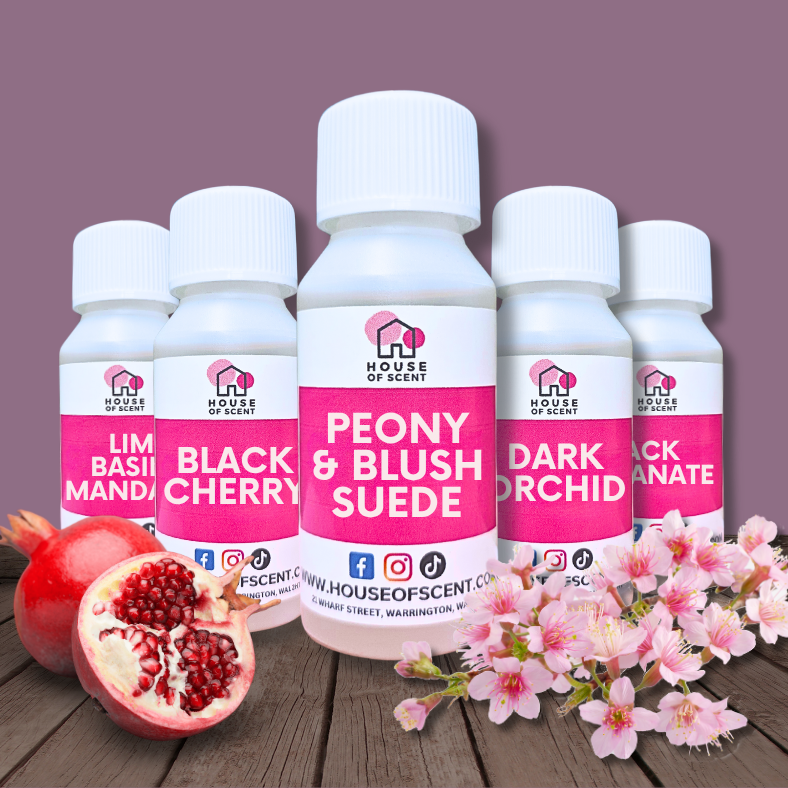
Fragrance oils
Colourants or dyes (optional)
Clamshells, bags, or boxes
Basic equipment such as melting pots and digital scales
Insurance and basic compliance
Most beginners can start a wax melt business with a few hundred pounds, depending on batch size and packaging choices. There’s no need for jars, lids, or candle-specific testing equipment, which reduces both cost and complexity.
This affordability is one reason many entrepreneurs ask, Is a Wax Melt Business Profitable in 2026?, especially as a side hustle or first business.
Ongoing Costs You Should Plan For
While startup costs are low, recurring expenses determine long-term profitability. These include:
Replenishing wax and fragrance oils
Packaging and labels
Platform fees (Etsy, Shopify, TikTok Shop)
Payment processing fees
Marketing and advertising spend
Shipping materials and postage
Wax melts are lightweight, which helps reduce shipping costs compared to candles. However, rising raw material prices and platform fees still need to be factored into pricing decisions.
Understanding your ongoing costs is essential when answering Is a Wax Melt Business Profitable in 2026? realistically rather than optimistically.
Wax Melt Profit Margins Explained
Wax melts are known for their strong margins. Many businesses aim for gross margins between 60% and 80%, depending on packaging and fragrance cost.
For example:
A snap bar costing just £1-2 to produce may retail for around £3–£4, allowing for a sustainable profit margin once packaging, fees, and overheads are considered.
Multi-buy bundles often increase average order value
Wholesale pricing still allows room for profit due to low unit costs
However, gross profit is not net profit. Marketing, failed batches, discounts, and returns all reduce take-home income. New sellers often underestimate how quickly small expenses add up.
Still, compared to many handmade products, wax melts offer one of the most forgiving margin structures — a key reason the question Is a Wax Melt Business Profitable in 2026? continues to trend.
Part-Time vs Full-Time Wax Melt Businesses
Wax melts as a side hustle
Many sellers start wax melts as a part-time venture. In this model, monthly profits may range from a few hundred to a couple of thousand pounds. This approach allows you to test scents, branding, and platforms without major financial risk.
Side hustles are ideal for:
Beginners learning formulation and compliance
Creators balancing another job
Sellers focusing on seasonal launches
Scaling to full-time income
Turning wax melts into a full-time business requires consistent demand, strong branding, and efficient systems. Full-time sellers often rely on:
High-volume launches
Social media content and email marketing
Wholesale or subscription models
Repeat customers and scent loyalty
When people ask Is a Wax Melt Business Profitable in 2026?, the answer changes dramatically depending on whether the goal is extra income or a full-time replacement.
Marketing: The Make-or-Break Factor
In 2026, wax melts don’t sell themselves. The market is crowded, and many products are similar in scent and format. Successful brands focus on storytelling, visuals, and customer experience.
Effective marketing strategies include:
TikTok and Instagram Reels showcasing melts in use
Satisfying snap and pour videos
Clear scent descriptions and themes
Consistent branding across platforms
Customer reviews and user-generated content
Strong marketing lowers customer acquisition costs over time and builds trust. Without it, even high-quality melts struggle to gain traction — directly impacting whether Is a Wax Melt Business Profitable in 2026? for individual sellers.
Common Challenges Wax Melt Businesses Face
Despite the benefits, wax melt businesses come with challenges:
Market saturation and price undercutting
Copycat products and trend chasing
Rising fragrance oil costs
Compliance and insurance requirements
Burnout from frequent launches
Many businesses fail not due to lack of demand, but because pricing is unsustainable or systems are poorly managed. Long-term success often comes from refining core products rather than constantly expanding ranges.
Final Thoughts: Is a Wax Melt Business Worth Starting in 2026?
So, Is a Wax Melt Business Profitable in 2026? Yes — but profitability isn’t automatic. Wax melts offer low startup costs, strong margins, and high demand, making them one of the most accessible home fragrance businesses available.
Profitable wax melt businesses typically:
Understand costs and price sustainably
Focus on branding and marketing
Build repeat customers, not just one-off sales
Treat the business seriously, even at small scale
With the right approach, wax melts can move from a creative hobby to a reliable and scalable income stream in 2026 and beyond.
Make Your Wax Melts Stand Out
Disclaimer
The information in this blog is provided for educational and informational purposes only, based on our knowledge, research, and experience at the time of writing. While we aim to offer accurate guidance on starting and running a wax melt business, readers should conduct their own research and verify all information independently before making business or financial decisions. It is the reader’s responsibility to ensure product safety, test recipes thoroughly, and comply with all relevant regulations, including Cosmetic Product Safety Reports (CPSR) for skin-contact products, IFRA guidelines for fragrance usage, CLP labelling requirements (which can be DIY or professionally printed), and maintaining appropriate business insurance. House of Scent accepts no liability for any losses, damages, or actions taken based on the content of this blog.
FAQs
Is starting a wax melt business a good idea for beginners in 2026?
Yes, wax melts are one of the most beginner-friendly home fragrance products to start with in 2026. They have lower startup costs than candles, are easier to make, and don’t require jars or complex equipment. Many people begin as a side hustle while learning scents, branding, and selling platforms, then grow from there.
Learn more about Strong Fragrance Oils : The Key to Long-Lasting Wax Melts here.
How much money do I need to start a wax melt business?
Most beginners can start a wax melt business with a relatively small budget, often just a few hundred pounds. This usually covers wax, fragrance oils, packaging, basic equipment, insurance, and compliance costs. Because wax melts are affordable to make, you can start small, test products, and reinvest profits as you grow.
House of Scent proudly offers beginners 10g Fragrance Oils with a money-back guarantee. Learn more here: 10g Fragrance Oils - Why we offer a money-back guarantee!
Can I make money from wax melts as a side hustle?
Yes, many beginners successfully make money selling wax melts as a side hustle. Monthly profits can range from a little extra income to a few thousand pounds, depending on how much time you invest, how well you price your products, and how you market them. Starting part-time allows you to learn with less risk before deciding whether to scale.
If you’re unsure where to start, our guide on how much you should charge for your products breaks pricing down step by step.