


Table of Contents
What Is IFRA and Why It Matters for Candle Makers
When you start making candles or working with fragrance oils, one term you’re almost certain to encounter is IFRA. But for many beginners, it raises a lot of questions: “What is IFRA? Do I really need to care? How does it affect my candles?” Understanding what IFRA is and why it matters is crucial for anyone who wants to create safe, high-quality fragranced products that are both enjoyable and compliant.
This blog will break down the basics of IFRA, explain why it’s important for candle makers, and provide practical guidance for using fragrance oils safely in your products. By the end, you’ll have a clear understanding of IFRA and how to apply it in your candle-making process.
What Is IFRA?
IFRA stands for the International Fragrance Association, a global organisation that sets standards for the safe use of fragrance ingredients. Its primary mission is to protect consumers from potential adverse reactions, such as allergies or skin sensitivities, while allowing makers to enjoy creative freedom in formulating products.
In essence, IFRA provides safety guidelines for fragrance oils used in cosmetics, soaps, candles, diffusers, and other fragranced products. It is widely recognised by manufacturers and suppliers around the world and has become an industry standard for fragrance safety.
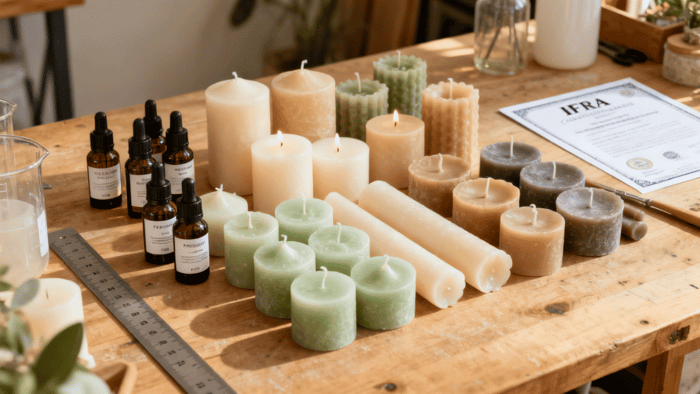
Each fragrance oil comes with an IFRA certificate, which details the maximum safe usage levels depending on the type of product it will be used in. These guidelines are based on scientific testing and regulatory research to ensure that products are safe for consumer use.
Why IFRA Matters for Candle Makers
Candle makers might wonder why IFRA is relevant to them, especially if their candles are only intended for home use. The answer is simple: safety and quality.
Fragrance oils are made up of volatile compounds that can cause irritation or sensitisation if used in unsafe concentrations. Using a fragrance oil without understanding its IFRA limits can result in:
Allergic reactions for users
Strong or overpowering scents that don’t burn evenly
Potentially unsafe candles if the fragrance load is too high
By following IFRA guidelines, you ensure that your candles are both enjoyable and safe. This not only protects consumers but also builds your credibility as a responsible maker or small business owner.
Understanding IFRA Usage Limits
Each IFRA certificate includes detailed information about the maximum safe concentration of fragrance oil for different product categories. These categories include body care, home fragrancing, and other applications. For candle makers, the relevant limits usually fall under home fragrancing products.
For example:
A floral fragrance oil may have a maximum IFRA usage of 10% for candles
A citrus fragrance oil might allow up to 12%
It’s essential to understand that these percentages are not arbitrary — they are based on safety testing and chemical composition. Following them ensures that your candles can be enjoyed safely without causing harm to users.
How to Check IFRA Compliance
Knowing what IFRA is is only the first step; applying it is where compliance comes in. Here’s how to make sure your fragrance oils are used safely:
Request the IFRA Certificate from Your Supplier
Always ask your fragrance oil supplier for the latest IFRA certificate. It contains the safe usage levels and any restrictions for different product categories.Check the Recommended Usage Limits
Use the certificate to determine the maximum amount of fragrance oil you can add to your wax. Pay attention to your product type (candles, diffusers, soaps) as limits may vary.Calculate Correct Fragrance Amounts
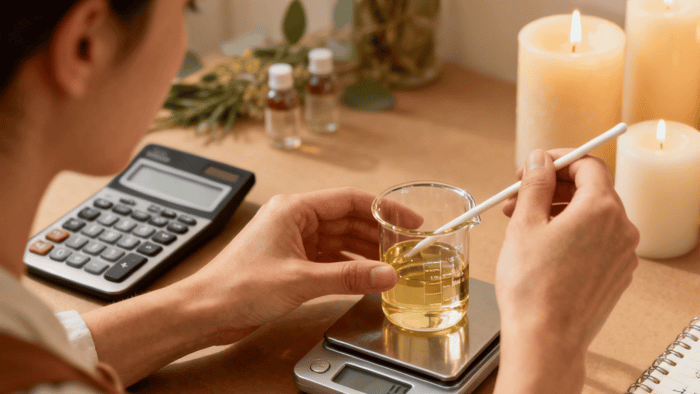
Once you know the maximum percentage, calculate the exact weight or volume for your batch size. For example, if your soy wax candle weighs 500g and the maximum IFRA usage is 10%, you would add up to 50g of fragrance oil.Document Your Formulation
Keep records of fragrance types, batch sizes, and amounts used. This ensures consistency and traceability if any questions about safety arise.
Practical Tips for Candle Makers
Understanding What is IFRA and following the guidelines can feel technical at first, but there are practical ways to incorporate this into your workflow:
Always Follow Supplier Recommendations
Suppliers often provide both the IFRA certificate and recommended pouring temperatures. Stick to these guidelines to ensure both safety and performance.Label Your Fragrance Loads
Note the fragrance percentage and batch date on your production records. This makes it easier to replicate successful batches and avoid exceeding limits.Use a Proper Scale
Accurate measurement is critical. Even a few grams too much can exceed IFRA limits and compromise safety.Combine Fragrances Carefully
If you blend multiple fragrance oils, calculate the total percentage used. The combined total must still comply with IFRA limits for your product category.Educate Yourself Continuously
IFRA standards can be updated over time. Stay informed about any changes to ensure your products remain compliant.
Common Mistakes Makers Make
Even experienced candle makers sometimes forget or overlook IFRA, which can lead to avoidable issues. Common mistakes include:
Using fragrance oils without checking the IFRA certificate
Confusing cosmetic product limits with candle limits
Overloading wax with fragrance oil in the hope of a stronger scent
Failing to account for multiple fragrance oils in a blend
By understanding what IFRA is and respecting its guidelines, you can avoid these mistakes and create safe, enjoyable candles every time.
Why Compliance Benefits Your Candles
Following IFRA standards isn’t just about legal or safety compliance — it has tangible benefits for your candles and your reputation:
Stronger, More Consistent Scent Throw
Proper fragrance loads ensure the cold and hot throw is balanced, enhancing the customer experience.Safe, Consumer-Friendly Products
Compliant candles reduce the risk of allergic reactions or irritation.Professional Credibility
Adhering to industry standards shows that you care about quality and safety, which builds trust with customers.Reduced Risk of Regulatory Issues
Even small-scale makers benefit from following IFRA, especially if you plan to sell products online or in shops.
Final Thoughts
So, what is IFRA and why does it matter for candle makers? In short, IFRA is the global authority that ensures fragrance oils are used safely, protecting both makers and consumers. By following IFRA guidelines, candle makers can create products that are safe, high-quality, and consistent in fragrance performance.
From requesting certificates to calculating fragrance loads and documenting your batches, integrating IFRA into your workflow is straightforward and highly beneficial. For any candle maker serious about safety, scent, and professionalism, understanding what IFRA is is a non-negotiable part of the craft.
Remember: safe fragrance use isn’t just about compliance — it’s about creating candles that people can enjoy with confidence.
Disclaimer
The information provided in this article is for educational purposes only. Candle making involves hot wax, flammable materials, and potential hazards. Always follow safe handling practices, consult IFRA certificates, and adhere to supplier guidance when formulating and pouring candles.
This guide of What is IFRA explains and provides practical examples for safe fragrance use, but it does not replace professional training or legal advice. Exercise caution and seek expert guidance if unsure about any aspect of your candle-making process.
FAQs
What is IFRA?
IFRA stands for the International Fragrance Association, which sets global safety standards for fragrance oils. It ensures that fragrances are used safely in candles, cosmetics, and other products.
Why is IFRA important for candle makers?
IFRA helps prevent allergic reactions or irritation by setting safe usage limits for fragrance oils. Following these guidelines ensures your candles are safe, consistent, and professional-quality.
How do I check if my fragrance oil complies with IFRA?
Always request the IFRA certificate from your supplier. Check the recommended maximum usage for your product type, calculate the correct amount for your batch, and document it for consistency. For House of Scent Fragrance Oils, all regulatory documents are available for view/download on the product page.