

Table of Contents
- What Is Cold Process Soap?
- How Does the Process Work?
- Ingredients Used in Cold Process Soap
- Understanding Lye Safety
- Adding Fragrance to Your Soap
- Colouring and Design Techniques
- What Is Trace?
- Curing: Why It Matters
- Common Mistakes Beginners Make
- Is Cold Process Soap Better Than Other Methods?
- Can You Turn It Into a Business?
- Why Makers Love Cold Process Soap
- Final Thoughts
- Disclaimer
- FAQs
If you’ve ever picked up a beautifully handcrafted bar of soap and wondered how it was made, chances are it was created using the cold process method. Loved by artisans and small business makers alike, Cold Process Soap offers creative freedom, beautiful designs and complete control over ingredients.
Whether you’re a curious beginner or someone looking to refine your skills, this guide walks you through everything you need to know — from how it works to safety, ingredients, fragrance, curing, and common mistakes.
What Is Cold Process Soap?
Cold Process Soap is a traditional soapmaking method that relies on a chemical reaction called saponification. This occurs when oils or fats combine with sodium hydroxide (also known as lye). Once mixed correctly, the lye and oils transform into soap and glycerine.
Despite the name, there is nothing “cold” about the chemistry involved. The term simply means that no external heat source is used during the soapmaking stage — unlike hot process soap, which is cooked.
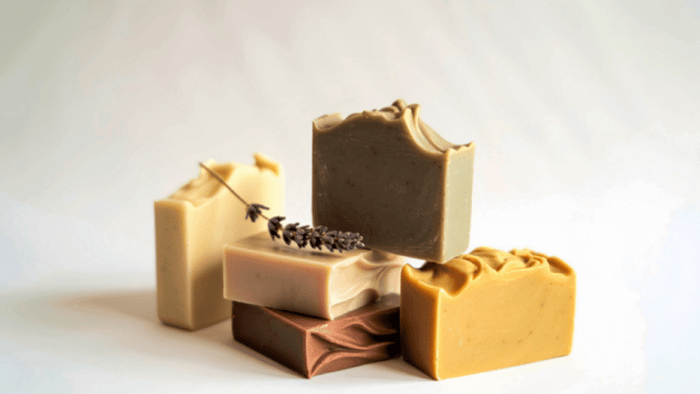
One of the biggest advantages of Cold Process Soap is the control it gives you. You choose the oils, the superfat level, the fragrance, the colour and even the design. That flexibility is what makes it so popular with handmade soap creators across the UK and beyond.
How Does the Process Work?
At its core, soapmaking is about precision and patience. Here’s a simplified breakdown:
Formulate your recipe using a lye calculator.
Carefully measure your oils and sodium hydroxide.
Mix the lye with water (never the other way round).
Blend the lye solution with melted oils until “trace”.
Add fragrance, colourants or additives.
Pour into a mould.
Leave to set for 24–48 hours.
Cure for 4–6 weeks.
During curing, excess water evaporates and the bar becomes harder and longer-lasting. While it may feel ready after a few days, proper curing is essential for a high-quality bar.
Ingredients Used in Cold Process Soap
The beauty of Cold Process Soap lies in ingredient flexibility. However, every recipe must contain:
Oils or fats
Sodium hydroxide (lye)
Water
Beyond that, the combinations are nearly endless.
Common Base Oils
Olive oil – conditioning and gentle
Coconut oil – cleansing and bubbly
Shea butter – creamy and moisturising
Castor oil – boosts lather
Sweet almond oil – lightweight and nourishing
Each oil contributes different properties to hardness, lather and skin feel. Balancing these elements is part science, part art.
Understanding Lye Safety
Lye is often the part that makes beginners nervous — and rightly so. It is caustic and must be handled carefully. However, when used correctly in a properly calculated recipe, it is fully transformed during saponification.
Safety essentials include:
Gloves
Goggles
Long sleeves
Good ventilation
Once curing is complete, there is no active lye remaining in a properly formulated bar of Cold Process Soap. The key is always accurate measurement and patience.
Adding Fragrance to Your Soap
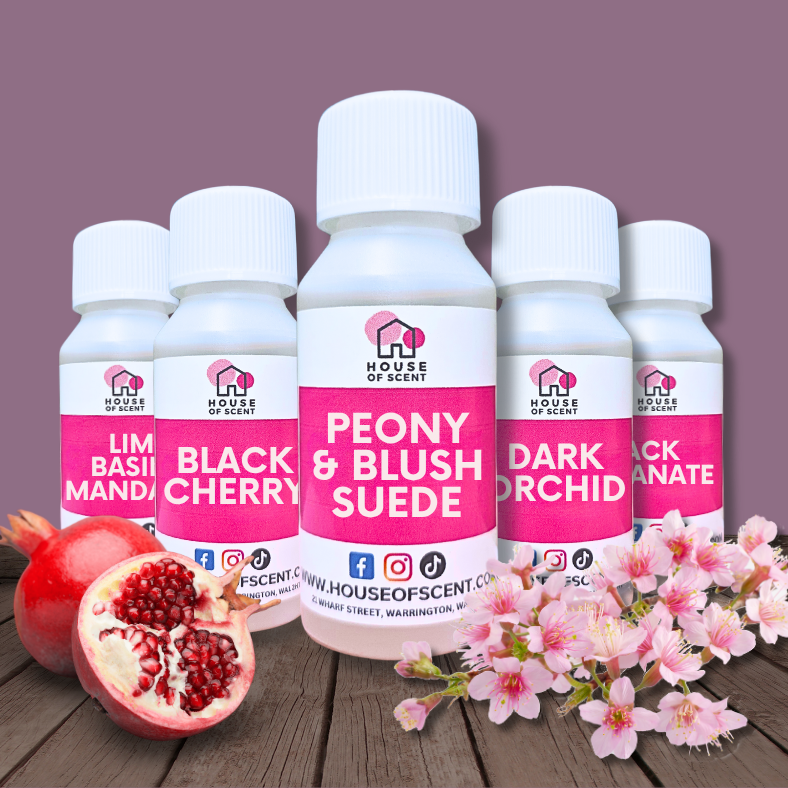
Fragrance is one of the most exciting parts of soapmaking. You can create relaxing lavender bars, uplifting citrus blends, warm bakery-inspired scents or complex perfume-style profiles.
When using fragrance oils, always:
Measure in grams using a digital scale
Check the IFRA certificate for maximum usage levels
Stay within safe limits for skin contact products
Fragrance behaves differently in Cold Process Soap compared to candles or diffusers. Some oils accelerate trace, some discolour, and some fade if not formulated well. Testing small batches first is always wise.
You could also join home fragrance/soap making communities to learn which oils tend to perform well and which ones can be tricky to work with: Join House of Scent Facebook Community
Colouring and Design Techniques
This is where creativity truly shines.
Popular colouring options include:
Mica powders
Natural clays
Activated charcoal
Botanical infusions
Design techniques range from simple single-colour pours to intricate swirls, layers and textured tops.
Because Cold Process Soap thickens over time, working speed matters. The more complex your design, the more important it is to control trace.
What Is Trace?
Trace refers to the stage when the soap mixture thickens enough to leave a visible trail on the surface. There are different levels:
Light trace – thin, ideal for swirls
Medium trace – pudding-like
Thick trace – good for textured designs
Understanding trace is crucial. Too thin, and additives may sink. Too thick, and pouring becomes difficult.
Curing: Why It Matters
Curing is not optional — it’s essential.
Although Cold Process Soap hardens within a couple of days, it needs 4–6 weeks to fully cure. During this time:
Water evaporates
The bar becomes harder
Lather improves
The soap becomes milder
Skipping the cure may result in a soft, short-lasting bar.
If you’re selling soap, proper curing is not just about quality — it’s about professionalism and consistency.
Common Mistakes Beginners Make
Starting out can feel overwhelming, but most mistakes are easily avoidable.
1. Guessing Measurements
Soapmaking is chemistry. Always weigh ingredients precisely.
2. Ignoring IFRA Guidelines
Even if a fragrance smells amazing, it must be used within safe limits for skin products.
3. Rushing the Cure
Patience leads to a better bar.
4. Overcomplicating the First Batch
Start simple. Master the basics before attempting intricate designs.
5. Not Testing Fragrance Behaviour
Some fragrance oils accelerate trace in Cold Process Soap, making swirls difficult.
Is Cold Process Soap Better Than Other Methods?
It depends on your goals.
Compared to melt and pour soap, Cold Process allows:
Full control over ingredients
No pre-made base
Custom superfat levels
Unique artistic designs
Compared to hot process soap, it often results in:
Smoother texture
More refined appearance
Greater design flexibility
However, it does require curing time and careful safety procedures.
Can You Turn It Into a Business?
Many successful artisan brands began with a few small batches in a home kitchen. If you’re considering selling soaps in the UK, remember:
You must obtain a Cosmetic Product Safety Report (CPSR).
Products must comply with UK cosmetic regulations.
Labelling must follow legal requirements.
Running a soap business involves more than creativity — compliance matters.
Learn more about CPSR on CPSR Certification UK: A Complete Guide
Why Makers Love Cold Process Soap
There’s something deeply satisfying about watching oils and lye transform into a usable product. It blends creativity with chemistry in a way that feels rewarding.
From experimenting with oil combinations to perfecting scent blends, Cold Process Soap gives you the freedom to craft something entirely your own.
The slow curing process also encourages patience — something rare in a fast-paced world.
Final Thoughts
Soapmaking is both a science and an art. When approached with respect for safety, accurate measurements and a willingness to learn, it becomes an incredibly fulfilling craft.
Cold Process Soap remains one of the most versatile and rewarding methods available to handmade makers. It offers creative control, ingredient transparency and beautiful results that simply can’t be replicated with shortcuts.
Whether you’re making for personal use, gifting to friends or planning to build a business, understanding the foundations of Cold Process will set you up for success.
Take your time. Measure carefully. Respect the chemistry. And most importantly — enjoy the process.
Disclaimer
This blog is for informational and educational purposes only. Soapmaking involves the use of sodium hydroxide (lye), which is a hazardous substance and must be handled with appropriate safety precautions, including protective gloves, eye protection and proper ventilation.
Always use a reliable lye calculator when formulating recipes and ensure accurate measurements in grams. If you intend to sell Cold Process Soap in the UK, you must comply with current cosmetic regulations, including obtaining a Cosmetic Product Safety Report (CPSR) and following correct labelling requirements.
Fragrance oils and additives should always be used in accordance with their IFRA certificates and recommended maximum usage levels. It is the maker’s responsibility to ensure their finished products are safe, compliant and suitable for use.
House of Scent are not responsible for any injury, loss or damage resulting from the use or misuse of the information provided.