


Table of Contents
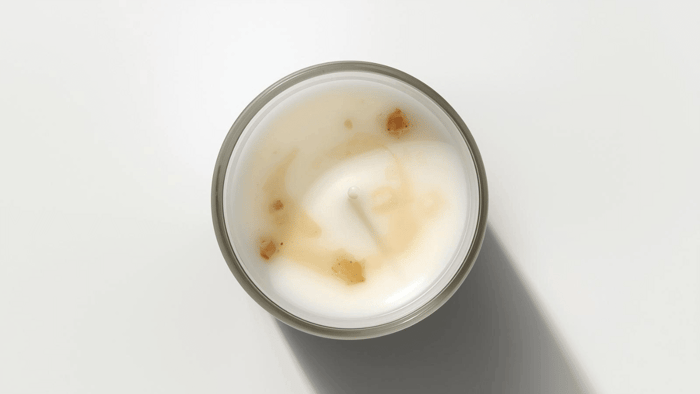
If you’ve ever poured a candle or wax melt and noticed that your beautiful white or cream wax has taken on a yellow, brown, or even darker hue after adding fragrance, you may have wondered: “Why does fragrance oil discolour wax?” This is a common question for both beginner and experienced candle makers, and the answer isn’t always straightforward. Discolouration can affect the aesthetic appeal of your candles and wax melts, and while it doesn’t always affect performance, understanding the causes can help you create more consistent, visually appealing products.
In this guide, we’ll explore why fragrance oils can cause wax to discolour, what factors influence this reaction, and tips to minimise or prevent it from happening.
What Is Wax Discolouration?
Wax discolouration refers to a change in the colour of your candle or wax melt after adding fragrance oils or during the curing and burning process. For example, white soy wax might turn creamy, yellow, or even light brown after a few hours or days.
While some discolouration is purely cosmetic, it can be frustrating when you’re aiming for a clean, uniform look—especially if your product is intended for sale.
Understanding the science behind why this happens helps you make informed choices about wax, fragrance oils, and candle formulation.
Common Causes of Fragrance Oil Discolouration in Wax
Several factors can influence why fragrance oils cause wax to change colour. Let’s break them down:
1. Chemical Composition of Fragrance Oils
Fragrance oils are complex blends of essential oils, synthetic aromatics, and carrier oils. Some components are naturally coloured or have a tendency to oxidise when exposed to air, heat, or light.
Oils containing vanillin (commonly found in vanilla, caramel, or chocolate scents) are notorious for causing yellowing in soy and paraffin wax.
Some citrus or earthy fragrance oils may also react with wax, particularly if the wax is sensitive, leading to gradual discolouration.
If you’re asking, “Why does fragrance oil discolour wax?”, the answer often lies in the chemical makeup of the fragrance itself.
2. Wax Type and Sensitivity
Not all waxes react the same way to fragrance oils.
Soy Wax: Naturally prone to yellowing over time or when certain fragrance oils are added, particularly vanillin-rich scents.
Paraffin Wax: Generally holds colour well, but high-fragrance loads or certain oils can still cause a slight tint.
Beeswax: Already naturally yellow, so discolouration may be less noticeable but can still deepen with certain scents.
Blended Waxes: Can be unpredictable depending on the ratio of soy, coconut, or paraffin included.
The same fragrance oil might cause minimal discolouration in one wax and more noticeable changes in another.
3. Fragrance Load
Using a high percentage of fragrance oil can increase the risk of discolouration. Even waxes that normally hold fragrance well may begin to yellow if overloaded.
Most candle makers recommend keeping fragrance oil to up to 10% by weight to balance scent throw and maintain visual appeal. Exceeding this amount not only increases the chance of discolouration but may also lead to oil leakage or poor burning.
If you’ve ever wondered, “Why does fragrance oil discolour wax?”, checking the fragrance load is an important step.
4. Pouring Temperature
The temperature at which you add fragrance oil to melted wax plays a crucial role in preventing discolouration.
Adding fragrance oil to wax that is too hot can accelerate chemical reactions, causing the wax to take on a darker hue.
Adding oils to wax that is too cool may result in poor incorporation, uneven colour, or patchy discolouration.
Always follow the recommended temperature ranges provided by your wax supplier for adding fragrance oils. Proper temperature control helps maintain the wax’s original colour and ensures even fragrance distribution.
5. Light, Heat, and Air Exposure
Even after pouring, wax can continue to change colour over time.
Exposure to sunlight or UV light can oxidise some fragrance oil components, causing yellowing or browning.
High temperatures during storage or shipping may also accelerate discolouration.
Air exposure, particularly in waxes with natural components, can lead to slow colour changes.
If you notice gradual darkening in your candles or wax melts, environmental factors are often the culprit.
6. Age of Fragrance Oils
Older fragrance oils may have already undergone some oxidation or degradation, making them more likely to cause discolouration when added to wax.
Check the batch date and storage conditions of your oils.
Oils stored in warm or light-exposed environments may be more prone to causing colour changes.
Keeping fragrance oils fresh and properly stored reduces the likelihood of unexpected discolouration.
7. Additives and Dye
Sometimes candle makers add colourants, stabilisers, or additives that may interact with fragrance oils. This can enhance or reduce discolouration depending on the combination used.
Certain dyes may shift in colour when exposed to high fragrance loads or specific scents.
Additives intended to stabilise wax or improve burning performance may unintentionally affect the wax’s appearance.
If you’re experimenting with colour in your candles, always test small batches first to see how the fragrance interacts with your chosen wax and additives.
Tips to Minimise Wax Discolouration
In "Why Does Fragrance Oil Discolour Wax?", while some degree of discolouration may be unavoidable, there are several steps you can take to reduce its impact:
Choose Fragrance Oils Carefully – Avoid oils known to contain high vanillin or natural colourants if you want to keep wax white or cream.
Stick to Recommended Fragrance Loads – Keep fragrance oil up to 10% by weight. Exceeding this can increase yellowing.
Monitor Pouring Temperature – Follow the recommended temperature for your wax type and allow fragrance oils to mix evenly.
Store Wax and Oils Properly – Keep both in a cool, dark place away from heat and sunlight.
Use Light-Coloured or Blended Waxes – Some wax blends are formulated to resist yellowing or are better suited for coloured candles.
Test Small Batches – Always trial new fragrances in small quantities before producing large batches.
By following these steps, you can create visually appealing candles while still enjoying rich, vibrant scents.
Final Thoughts
So, why does fragrance oil discolour wax? In most cases, it’s a combination of the fragrance oil’s chemical composition, wax type, fragrance load, and environmental factors. While discolouration is often cosmetic, understanding its causes allows candle makers to make informed decisions about wax, fragrances, and storage.
If you want to maintain the clean, original look of your candles, stick to recommended fragrance loads, monitor pouring temperatures, and choose fragrance oils wisely. Even though some yellowing or tinting may be inevitable, careful planning and testing can minimise its impact.
By understanding “Why does fragrance oil discolour wax?”, you can balance both aesthetics and scent performance, producing beautiful, professional-looking candles and wax melts that smell amazing and look great on display.
Disclaimer
This blog is for educational and informational purposes only. The information shared about Why Does Fragrance Oil Discolour Wax? is intended as general guidance and does not constitute professional or regulatory advice. Always follow manufacturer instructions, carry out your own testing, and ensure compliance with local laws and safety standards when working with wax and fragrance materials. House of Scent is not liable for any loss, damage, or injury arising from the use of this information.