

Table of Contents
- 1. Understand What You’re Really Selling
- 2. Lighting: The Single Most Important Factor
- 3. Backgrounds That Elevate, Not Distract
- 4. Show Scale Clearly
- 5. Capture Texture and Detail
- 6. Lifestyle Images That Tell a Story
- 7. Keep Branding Consistent
- 8. Don’t Ignore Editing (But Don’t Overdo It)
- 9. Highlight Packaging Clearly
- 10. Seasonal Variations Matter
- 11. Use Multiple Angles for Online Marketplaces
- 12. Create Mood Through Depth
- 13. Invest Gradually, Not All at Once
- 14. Test Before Publishing
- Final Thoughts
- Disclaimer
- FAQs
In the world of online retail, selling Fragrance Products comes with a unique challenge: your customer cannot smell them before they buy. That single limitation changes everything.
When selling Fragrance Products, photography is not just about aesthetics — it is about translation. Your images must communicate mood, quality, scent profile, luxury level, and brand identity without a single whiff. If the photos fail, the product fails. It’s that simple.
Whether you’re selling candles, wax melts, room sprays, reed diffusers or perfume oils, strong visuals are what convert scrolling into sales. In this guide, we’ll break down practical, strategic photography tips designed specifically for Fragrance Products — not generic product advice, but techniques tailored to scent-led businesses.
1. Understand What You’re Really Selling
Before you even pick up a camera, pause and ask yourself: what is the emotional promise of this product?
Customers don’t just buy Fragrance Products. They buy:
Cosy evenings
Clean homes
Romantic atmospheres
Calm routines
Seasonal nostalgia
Luxury experiences
Your photography should reflect the result, not just the item.
A lavender candle photographed on a plain white background says “product”. The same candle styled beside linen bedding, soft morning light and a book says “Sunday calm”.
You’re not photographing wax or liquid — you’re photographing a feeling.
2. Lighting: The Single Most Important Factor
Bad lighting can make even premium Fragrance Products look cheap.
Natural Light Is Your Best Friend
Whenever possible, use indirect natural daylight. Position your setup near a window but avoid harsh direct sun, which creates strong shadows and blown-out highlights.
Overcast days are excellent for product photography because the light is naturally diffused and soft.
Avoid Overhead Yellow Lighting
Warm household bulbs can distort colours, especially important if your wax or liquid has a subtle tint. Customers expect accuracy. If your candle looks cream in person but appears bright yellow online, trust erodes quickly.
If natural light isn’t available, invest in a softbox or LED panel with adjustable colour temperature.
Consistency is crucial. All your Fragrance Products should look like they belong in the same collection.
3. Backgrounds That Elevate, Not Distract
Your backdrop should complement your brand identity, not compete with it.
Neutral Backgrounds
White, stone, linen, light wood, or muted tones work beautifully for most Fragrance Products. They allow labels and packaging to stand out clearly.
Textured Surfaces
Marble slabs, rustic wood, soft fabric or plaster walls can add depth without overpowering the product.
Avoid Clutter
A common mistake is over-styling. Too many props dilute focus. Remember: the hero is the scent product, not the decorative extras.
When in doubt, simplify.
4. Show Scale Clearly
One of the biggest reasons for product returns in e-commerce is misunderstanding size.
Always include:
A straight-on hero shot
A side profile shot
A lifestyle shot for context
A close-up detail shot
For smaller Fragrance Products like wax melts or perfume oils, scale references (a hand holding the product, or placement next to a familiar object) help customers visualise size accurately.
Transparency builds trust — and trust builds repeat customers.
5. Capture Texture and Detail
Scent may be invisible, but texture isn’t.
If you sell candles:
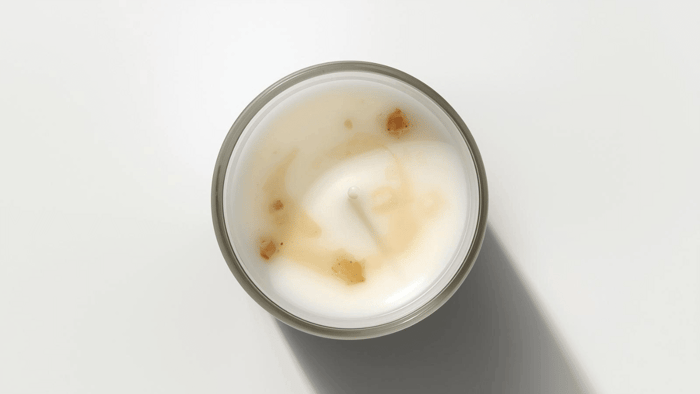
Show the smoothness of the wax.
Capture the flame glow in a dimmer setting.
Highlight frosted glass finishes or metallic lids.
If you sell reed diffusers:
Focus on the clarity of the oil.
Show reeds absorbing liquid.
Capture reflections in the glass.
High-resolution detail shots make Fragrance Products feel tangible. Customers should almost feel like they can reach through the screen.
6. Lifestyle Images That Tell a Story
Lifestyle photography is where your brand personality truly shines.
Ask yourself:
Is this product for minimalists?
For cosy home lovers?
For modern luxury buyers?
For seasonal gift shoppers?
For example:
A festive candle might be styled with pine branches, warm fairy lights and wrapped gifts.
A spa-inspired diffuser may sit beside rolled towels and natural stone.
A summer citrus room spray might be photographed near open windows and fresh greenery.
When customers see Fragrance Products integrated into aspirational scenes, they mentally place them in their own homes.
That’s the moment a sale becomes likely.
7. Keep Branding Consistent
Imagine a customer browsing your website. If each product image looks like it was taken by a different person in a different house with different lighting, it weakens brand perception.
Consistency across all Fragrance Products should include:
Similar colour grading
Matching background tones
Uniform lighting direction
Cohesive styling approach
This doesn’t mean every image must look identical. It means they should look like they belong to the same family.
Professionalism builds credibility.
8. Don’t Ignore Editing (But Don’t Overdo It)
Editing is about refinement, not deception.
Adjust:
Brightness
Contrast
White balance
Sharpness
Ensure labels are readable. Remove dust specks. Straighten horizons.
However, avoid:
Oversaturating colours
Artificially smoothing textures
Changing the true colour of wax or liquid
Your Fragrance Products must match what customers receive. Over-editing leads to disappointment — and disappointment leads to refunds.
9. Highlight Packaging Clearly
For scent-based businesses, packaging often plays a huge role in purchase decisions — especially for gifting.
Photograph:
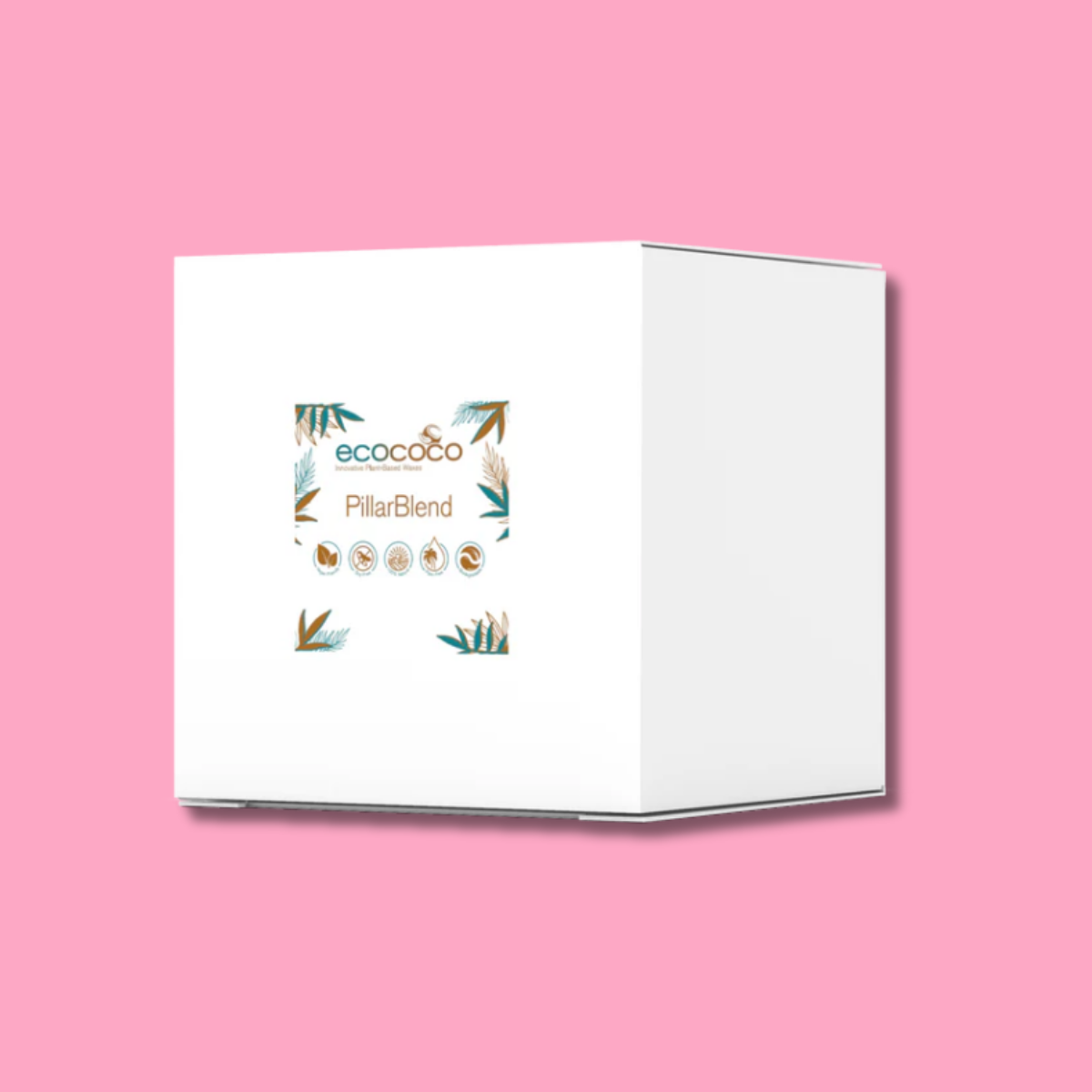
The outer box
Protective inserts
Label details
CLP or safety labels (if applicable)
Branding embossing or foil accents
If your Fragrance Products arrive gift-ready, show that clearly. Customers want to see what will land on their doorstep.
The unboxing experience starts online.
10. Seasonal Variations Matter
If you release limited collections — autumn spice, Christmas blends, summer florals — your photography should reflect the season without losing brand cohesion.
Use subtle cues:
Autumn: warm tones, textured fabrics, dried leaves
Winter: soft candle glow, darker backgrounds, cosy props
Spring: fresh light, pastel accents
Summer: airy brightness, greenery, citrus hints
Seasonal styling helps customers emotionally align with your Fragrance Products at the right time of year.
11. Use Multiple Angles for Online Marketplaces
If you sell on platforms like Etsy, Shopify or Amazon, you typically have several image slots. Use them wisely.
A strong image set for Fragrance Products should include:
Clean hero image
Lifestyle context
Close-up texture
Packaging display
Size comparison
Ingredient or scent notes graphic
Care instructions visual
Think of your images as a silent salesperson. They must answer questions before the customer asks them.
12. Create Mood Through Depth
Use depth of field to draw attention.
A softly blurred background with a sharp product foreground creates focus and professionalism. Most smartphones now offer portrait mode, which works surprisingly well for Fragrance Products when used carefully.
Shallow depth adds luxury. Everything sharp and flat can look catalogue-like and less emotional.
Balance clarity with atmosphere.
13. Invest Gradually, Not All at Once
You do not need an expensive DSLR immediately.
Many small brands successfully photograph Fragrance Products using:
Modern smartphones
Natural window light
A foam board reflector
Simple backdrops
Upgrade equipment once revenue justifies it.
Skill and styling matter more than gear.
14. Test Before Publishing
Before uploading your images:
View them on desktop and mobile.
Check cropping on thumbnails.
Ensure text on labels is legible when zoomed.
Ask someone unfamiliar with your brand what impression they get.
If they describe your Fragrance Products using the emotions you intended, your photography is working.
If they say “nice candle”, you may need stronger storytelling.
Final Thoughts
Selling scent online will always involve a paradox: customers cannot experience the aroma directly. That’s why photography must carry the weight of emotion, atmosphere and trust.
Strong images elevate perceived value. Weak images reduce it.
When done well, photography turns Fragrance Products into sensory experiences customers can almost imagine smelling. It bridges the gap between digital browsing and real-life enjoyment.
And in a market where many brands offer similar scent profiles, visual presentation can be the deciding factor.
Take your time. Refine your lighting. Simplify your styling. Stay consistent.
Because when your photography communicates quality, customers believe in what they cannot yet smell — and that belief is what drives the sale.
Disclaimer
This blog is published by House of Scent for general informational purposes only. While we share guidance and tips for photographing Fragrance Products, the content does not constitute professional advice.
Results may vary depending on equipment, lighting, styling, and individual skill. Readers are responsible for testing techniques and ensuring compliance with applicable safety and regulatory requirements when creating content for their own products.
House of Scent cannot accept liability for any loss, damage, or other consequences arising from reliance on this information or from the use of techniques described in this blog.