




Table of Contents
There’s nothing quite as disappointing as waiting for a new candle to set, only to find small craters or pits marring its surface. When a candle has sinkholes, it can look uneven and unfinished, and in some cases, even affect how well it burns and how the fragrance disperses. These little imperfections are surprisingly common, but the good news is that most are easily fixable. By understanding what causes sinkholes and how to address them, you can transform your candles from uneven and disappointing to smooth, professional, and perfectly burn-ready.
What Are Candle Sinkholes?
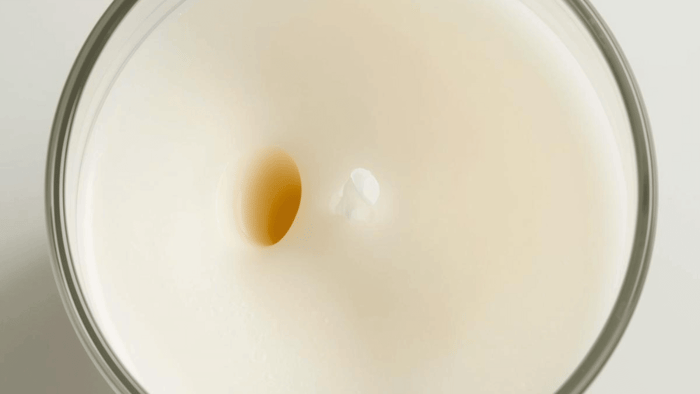
A sinkhole is a small pit or depression that forms on the surface of a candle, usually after it has cooled and set. Unlike tunnelling, which affects the burning process while the candle is lit, sinkholes are primarily a result of uneven wax contraction or improper setting. These depressions can range from tiny dimples to larger craters, often appearing around the wick or near the edges of the candle.
Understanding why a candle has sinkholes is essential because it informs how to correct them and prevent future occurrences. Sinkholes are common in both container candles and pillar candles, and they can occur in almost any type of wax, including soy, paraffin, coconut, and blended waxes.
Common Causes of Candle Sinkholes
There are several factors that contribute to sinkholes, many of which relate to the behaviour of wax as it cools and contracts. By identifying the underlying cause, you can make small adjustments to improve the look and burn quality of your candles.
1. Wax Shrinkage During Cooling
Wax naturally shrinks as it cools from its melted state to solid form. The amount of shrinkage varies depending on the type of wax and the temperature at which it is poured. If the wax cools too quickly or unevenly, it can contract irregularly, leaving depressions around the wick or along the surface.
This is one of the primary reasons why a candle has sinkholes, and it is particularly common in larger container candles where the wax in the centre cools faster than the wax at the edges.
2. Pouring Temperature
Pouring wax at the incorrect temperature is another frequent culprit. Wax poured too hot can shrink excessively as it cools, while wax poured too cool may not adhere properly to the container walls, leading to uneven setting.
Monitoring and adjusting your pouring temperature based on the wax type is critical. Many makers recommend following the manufacturer’s guidelines, then performing small test pours to ensure the wax sets evenly without forming sinkholes.
3. Fragrance and Additive Load
High fragrance or essential oil content can affect wax behaviour. Wax with a heavy fragrance load often sets softer and contracts differently than plain wax. Additives such as dyes, stearic acid, or coconut wax blends can also impact cooling and contraction.
When your candle has sinkholes, it is often due to an imbalance between the wax and fragrance load, causing the wax to pull away from the wick or container as it cools.
4. Wick Selection and Placement
The wick plays a crucial role in heat distribution while the candle burns. If the wick is too small, too large, or placed off-centre, it can lead to uneven melting and surface irregularities. Sinkholes often form around the wick when the wax in that area contracts faster than the surrounding wax.
Proper wick selection and careful centring can significantly reduce the occurrence of sinkholes.
5. Environmental Factors
Ambient temperature and airflow can also impact how wax sets. Cold drafts, uneven room temperatures, or pouring in a very cold container can all contribute to the formation of sinkholes. Controlling the environment during the pouring and cooling process is often overlooked but can be essential in producing smooth, professional candles.
How to Fix Sinkholes in Existing Candles
If your candle has sinkholes and has already cooled, don’t worry—there are several ways to correct them depending on the severity.
1. Re-melting the Top Layer
For minor sinkholes, the simplest solution is to re-melt the top layer of wax:
Place the candle in a warm oven at a low temperature (50–60°C) until the wax surface becomes soft or fully liquid.
Rotate the candle carefully to ensure the wax settles evenly.
Allow it to cool undisturbed, creating a smooth, level surface.
This method is ideal for candles where the sinkholes are small and mainly aesthetic.
2. Using a Heat Gun or Hairdryer
A heat gun or hairdryer can also help smooth out small depressions:
Gently heat the candle surface until the wax softens.
Use a spatula or wooden stick to lightly level any irregular areas.
Let the candle cool naturally to avoid introducing new imperfections.
This technique is useful for spot fixes or for candles that cannot be placed in an oven.
3. Adding Wax to Fill Sinkholes
For deeper or more stubborn sinkholes, you can fill them with freshly melted wax:
Melt a small amount of the same wax type used in the candle.
Carefully pour it into the sinkhole until it reaches the surface level.
Allow the wax to set fully before relighting.
This method restores the candle’s surface and ensures an even burn.
4. Preventive Layering
If making a new batch, some makers prevent sinkholes by pouring in layers rather than a single large pour:
Pour a thin layer and allow it to set partially.
Repeat with additional layers until the candle reaches the desired height.
Layered pouring reduces the risk of uneven contraction and surface depressions.
How to Prevent Sinkholes in Future Candles
Prevention is always better than correction. By understanding the reasons a candle has sinkholes, you can adopt practices that minimise their occurrence:
Control Pouring Temperature: Pour at the recommended temperature for your wax type and avoid extremes.
Adjust Fragrance Load: High fragrance loads may require slower cooling or layered pouring.
Use Proper Wick Size: Select and centre wicks carefully to ensure even heat distribution.
Control Cooling Environment: Avoid drafts and temperature fluctuations while candles set.
Layered Pouring: Pouring in smaller layers helps manage wax contraction and surface smoothness.
By implementing these steps, you can produce professional-looking candles that burn evenly and attractively.
When to Seek Professional Advice
If you’ve tried the above fixes and your candles still develop sinkholes, the issue may be related to the wax blend, wick, or fragrance combination. Makers should:
Review wax specifications and melting points.
Test alternative wick sizes and materials.
Adjust fragrance load or additive usage.
Conduct controlled burn tests to ensure even heat distribution.
Professional guidance can help resolve persistent sinkhole issues, especially for small business makers producing candles for sale.
Final Thoughts
A candle has sinkholes for several reasons, including wax shrinkage, incorrect pouring temperature, wick placement, fragrance load, and environmental factors. While sinkholes can be frustrating, they are usually easy to fix or prevent with careful attention to detail.
By understanding the causes, using the techniques above to correct existing sinkholes, and following preventative measures for future candles, you can enjoy smooth, beautiful candles that burn evenly and safely. Proper attention to wax behaviour, wick selection, and pouring techniques ensures that your candles look professional and perform at their best.
Disclaimer
This blog is published for general informational purposes only. While we provide guidance on why a candle has sinkholes and tips to fix or prevent them, the content does not constitute professional, regulatory, or chemical advice.
Results may vary depending on wax type, wick, fragrance load, container, burn conditions, and individual technique. Readers are responsible for testing all methods safely and following fire safety precautions when making or using candles.
Safety Note: Always handle hot wax with care, avoid leaving burning candles unattended, and use heat sources such as ovens or heat guns responsibly.
House of Scent cannot accept liability for any loss, damage, or injury resulting from reliance on this content or from the use of candles and related products.
FAQs
What are candle sinkholes and why do they appear?
Candle sinkholes are small pits or depressions that form on the surface of a candle, usually after it has cooled and set. They occur due to uneven wax contraction, incorrect pouring temperature, wick placement issues, high fragrance or additive loads, or environmental factors like drafts or cold containers. Sinkholes are mostly aesthetic but can sometimes affect burning and fragrance dispersion.
How can I fix sinkholes in my already set candles?
Minor sinkholes can be smoothed by re-melting the top layer in a warm oven (50–60°C) or using a heat gun/hairdryer to soften the wax and level the surface. For deeper sinkholes, pour a small amount of freshly melted wax into the depressions and let it fully set. These techniques help restore a smooth, professional-looking candle surface.