

Table of Contents
How to Make Perfume at home allows you to create a scent that is truly your own. Many of the perfumes available in shops are beautiful, but they are designed for mass appeal and may not perfectly suit your taste. When you craft your own fragrance, you have complete control over fragrance choice, intensity, and overall character. You can even design it inspired by your favourite perfume, adjusting it to make it uniquely personal.
DIY perfume also allows you to experiment safely, understand fragrance chemistry, and craft scents for different moods, occasions, or even gifts, all while avoiding the harsh chemicals sometimes found in commercial products.
Browse Perfume Inspired Fragrance Oils
Essential Ingredients and Tools
To make your own perfume, you don’t need a laboratory — just a handful of accessible ingredients and tools. For this guide, we’ll focus on a simple yet effective 2-ingredient formula:
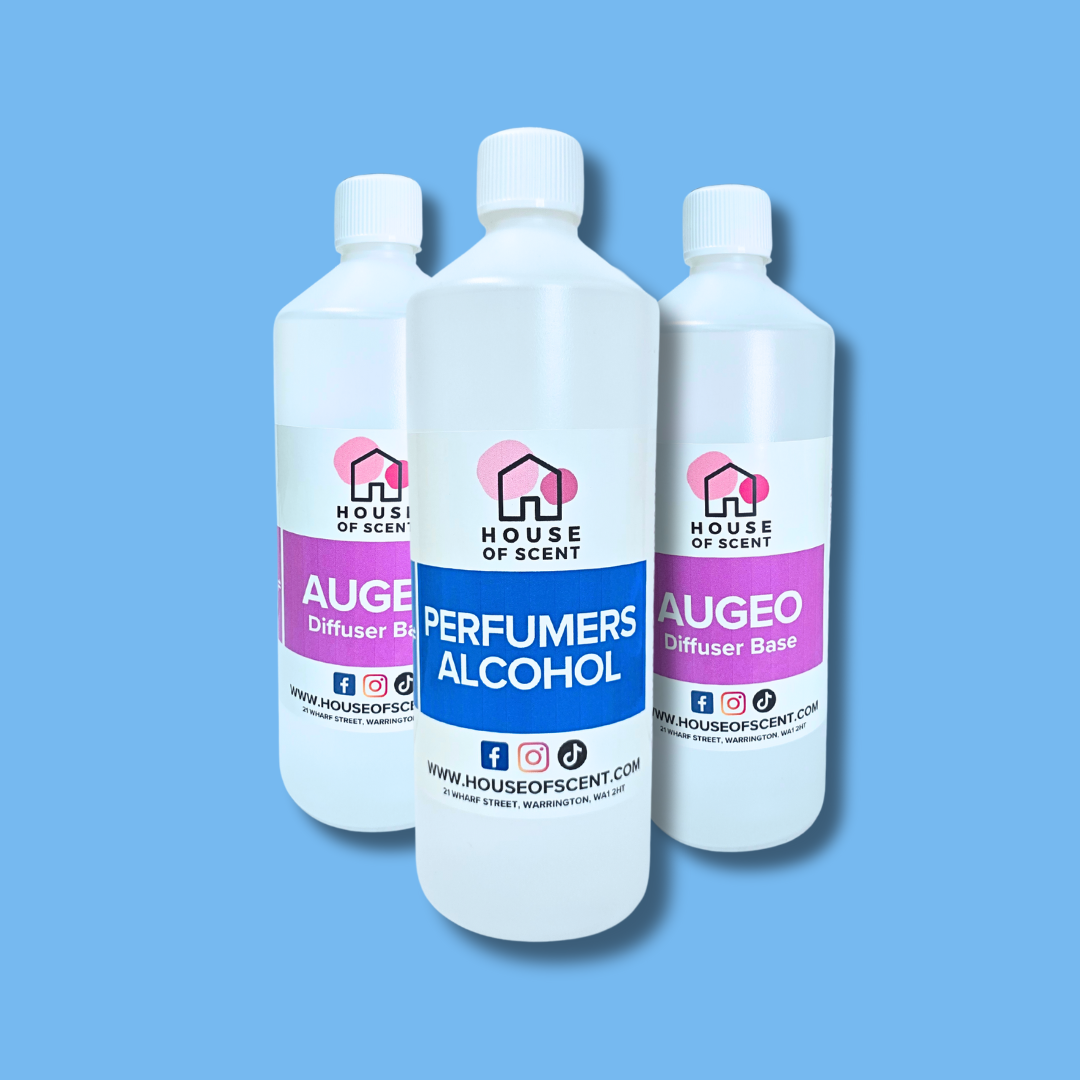
40ml Perfumer’s Alcohol – this acts as a solvent and carrier for the fragrance oils
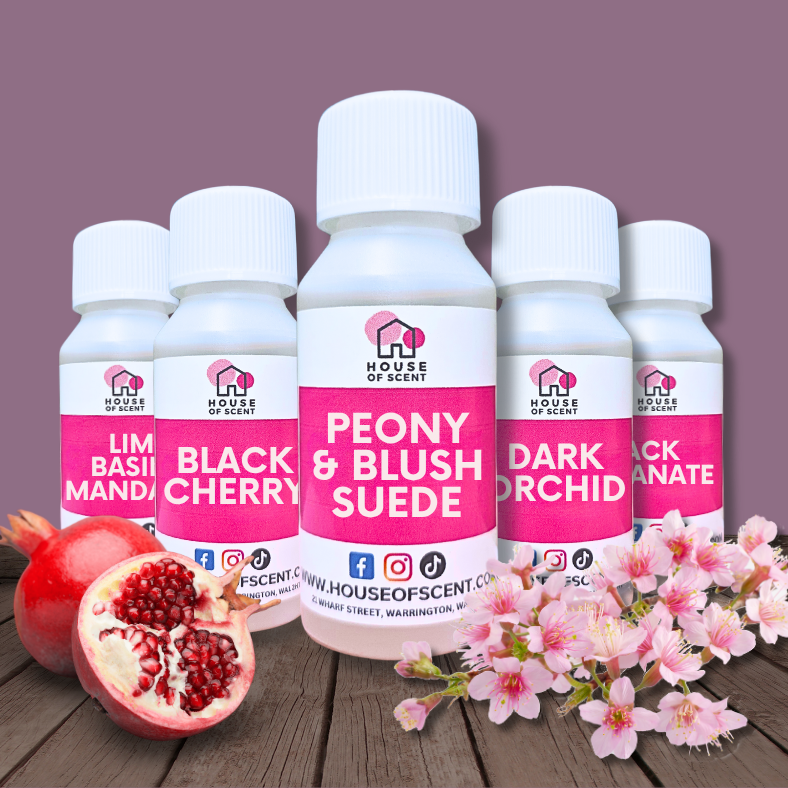
10ml Peony & Blush Suede Fragrance Oil – choose your favourite scent; this will be the core of your perfume
You’ll also need some basic tools:
A 50ml perfume glass bottle
A glass measuring beaker or jug
A funnel for easy pouring
A glass stirrer or a metal spoon
A set of nitrate gloves to protect your hands while handling alcohol and fragrance oils
Note: If you find that you may be sensitive to using alcohol on your skin, consider using skin-friendly oils as carriers instead. If the alcohol causes irritation, discontinue use immediately. Safety is key when making DIY perfumes.
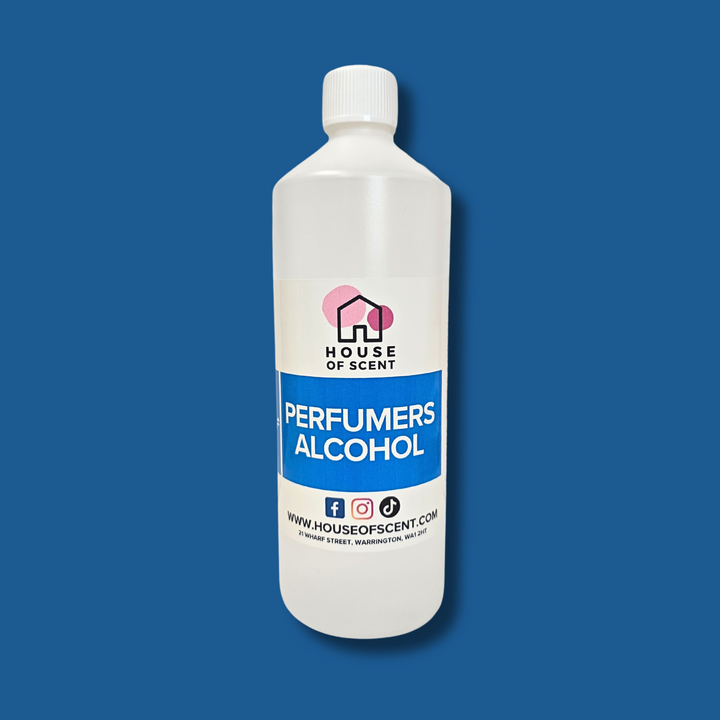
Perfumers Alcohol
£2.99
Perfumers Alcohol is the ultimate sidekick for crafting professional-quality perfumes, colognes and room sprays. Designed to blend seamlessly with your favourite fragrance oils and essential oils, this versatile base is the secret weapon to turning your dupe perfume visions into… read more
Step-by-Step Guide: How to Make Perfume
Once you have your ingredients and tools ready, the process is surprisingly simple. This basic method produces a 50ml spray perfume with a balanced scent, but you can adjust ratios or fragrance types as you become more confident.
1. Measure Your Ingredients
Start by measuring 40ml of Perfumer’s Alcohol into your glass measuring beaker. Accurate measurement ensures that your perfume will have the right balance between alcohol and fragrance oils.
Next, add 10ml of your chosen fragrance oil, in this case, Peony & Blush Suede Fragrance Oil. This combination will give you a beautifully balanced scent that is neither too weak nor overpowering.
2. Mix Thoroughly
Using your glass stirrer or metal spoon, stir the mixture for approximately 1 minute until it is completely blended. Proper mixing ensures the fragrance oil disperses evenly throughout the alcohol, preventing uneven scent pockets in your final perfume.
3. Transfer to Bottle
Place your funnel into the neck of your 50ml glass spray bottle, then carefully pour in the mixture. Take your time — alcohol is flammable and fragrance oils are potent, so slow and steady is best.
Once poured, replace the spray cap securely. This prevents evaporation and preserves the fragrance.
4. Let it Mature
You might be eager to try your new perfume immediately, and you can, but we recommend letting it sit for a few hours or overnight. This resting period allows the mixture to fully blend, producing a deeper and more intense fragrance. The alcohol and oil need time to marry, creating a professional-quality scent.
Understanding Perfume Strengths
When creating perfume, it’s useful to understand the traditional French classification system, which defines the concentration of fragrance in a product. You’ve probably seen terms like Eau de Parfum or Eau de Toilette on store shelves — here’s what they mean:
Parfum: 20–40% fragrance
Eau de Parfum: 15–20% fragrance
Eau de Toilette: 5–15% fragrance
Eau de Cologne: 2–5% fragrance
Most perfumes sold today fall between Eau de Parfum and Eau de Toilette, which strikes the perfect balance of intensity and wearability. When learning How to Make Perfume at home, these percentages are ideal for creating a scent that is strong enough to enjoy, without being overwhelming.
Tips for Personalising Your Perfume
- Choose a Perfume-Inspired Oil: For this simple DIY perfume, select a fragrance oil inspired by your favourite designer perfume.
- Adjust Strength: If you’d like a lighter perfume, reduce the amount of fragrance oil slightly. For a richer scent, you can increase it, but always check IFRA guidelines for your chosen fragrance oil to confirm the product category and the maximum allowed usage level for safe skin application.
- Store Correctly: Keep your perfume in a cool, dark place to prevent degradation. Sunlight and heat can alter the scent over time.
- Test on Skin: Fragrance oils can smell different on paper strips compared to your skin because body chemistry can slightly alter the scent. Before using your perfume extensively, apply a small amount to a discreet area, such as the inside of your wrist or elbow, and leave it for 24 hours. This patch test ensures you don’t have any allergic reaction or irritation to the fragrance or alcohol. Only use the perfume broadly if the test area shows no redness, itching, or discomfort.
- Safety First: Always wear nitrate gloves when handling concentrated fragrance oils or alcohol, and avoid contact with eyes.
Benefits of DIY Perfume
Creating your own perfume at home is not just fun — it has multiple benefits:
Customisation: Choose different fragrance oils you love to create perfumes for yourself, gifts, or different moods. Enjoy exploring scents that match your style.
Gift Potential: Handmade perfumes make thoughtful and personalised gifts.
Cost-Effective: You can create luxury-sounding perfumes without high retail prices.
When following a guide on How to Make Perfume, you can confidently craft your signature scent while understanding the science behind it.
Troubleshooting Common Issues
Even experienced makers encounter issues when first learning How to Make Perfume:
Cloudy mixture: Usually caused by insufficient mixing — stir longer next time.
Too weak scent: Check your fragrance-to-alcohol ratio; increase fragrance oil slightly if safe.
Skin irritation: Use carrier oils instead of alcohol, or reduce concentration.
By understanding these common problems, you’ll feel more confident experimenting with new fragrances and techniques.
Final Thoughts
Learning How to Make Perfume at home is both accessible and rewarding. With just two core ingredients — perfumer’s alcohol and a fragrance oil like Peony & Blush Suede Fragrance Oil — plus a few simple tools, you can create a personalised scent that reflects your style and personality.
The key to success is patience: allow your mixture to mature and understand fragrance concentrations. With practice, you can design perfumes inspired by your favourite scents or entirely new creations, giving you a signature fragrance that is uniquely yours.
By following these steps and paying attention to safety, storage, and quality, you can confidently answer the question of How to Make Perfume and start enjoying your very own customised fragrance collection.
Disclaimer
This guide on How to Make Perfume is intended for educational and personal use only. Always follow safety precautions when handling alcohol and fragrance oils. Perform a patch test before applying any perfume to your skin to check for allergies or irritation. If you experience any discomfort, discontinue use immediately. House of Scent is not responsible for any adverse reactions, misuse, or accidents that may occur while following this guide.
FAQs
Can I use any fragrance oil to make perfume?
You can choose from a wide range of fragrance oils, including perfume-inspired options for her or him. Always check IFRA guidelines to ensure the fragrance is safe for skin contact and follow recommended usage levels.
Check out our perfume-inspired fragrance oils here.
How long should I let my perfume blend before using it?
For the best results, allow your perfume to sit for a few hours or overnight after mixing. This helps the alcohol and fragrance oil fully combine, creating a deeper and more long-lasting scent.
What if I have sensitive skin or an allergic reaction?
Before using your perfume broadly, perform a patch test on a small area of skin. If you experience redness, itching, or discomfort, discontinue use immediately. Consider using skin-friendly carrier oils instead of alcohol if you have sensitivities.