


Table of Contents
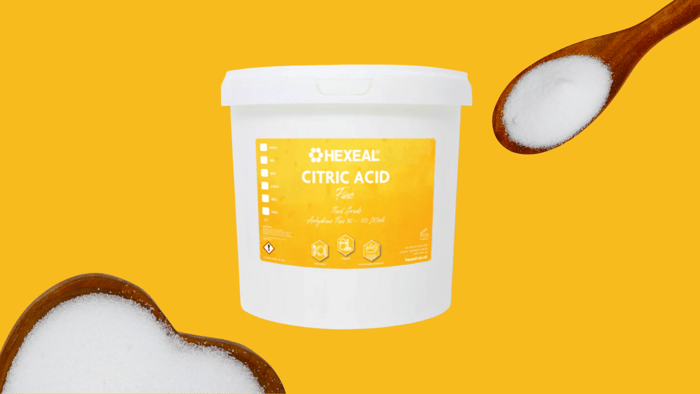
Citric Acid Anhydrous: The DIY Powerhouse Ingredient
For anyone who loves DIY projects, crafting, or eco-friendly cleaning solutions, Citric Acid Anhydrous is one of those essential ingredients that can transform ordinary creations into something extraordinary. From fizzy bath bombs to sparkling household cleaning products, this fine, white powder offers versatility, safety, and effectiveness. Its unique properties make it invaluable for hobbyists, small business makers, and conscientious homemakers alike. Citric Acid isn’t just functional — it’s a creative powerhouse that allows makers to experiment and personalise every project.
Unlike single-purpose ingredients, this powder provides both functional and creative possibilities. It enhances products, balances formulas, and gives makers the freedom to customise their own projects. In this guide, we’ll explore what makes Citric Acid Anhydrous so indispensable, how it’s used across various applications, and practical tips for safe, enjoyable DIY crafting.
What Is Citric Acid Anhydrous?
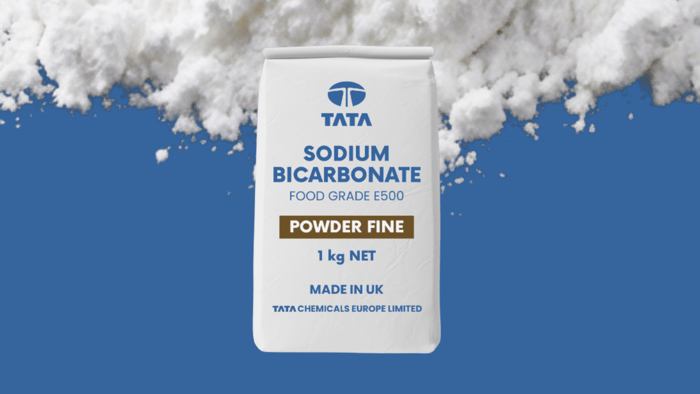
Citric Acid is a naturally occurring organic acid commonly found in citrus fruits. The “anhydrous” form contains no water, giving it a free-flowing texture that blends perfectly in dry recipes. This makes it ideal for bath bomb bases, powdered cleaning mixes, and any project where precise blending is essential. Its acidic nature allows it to react with other ingredients, especially Sodium Bicarbonate, to create the signature fizz beloved by bath enthusiasts.
Chemically, it’s mildly acidic but safe when used correctly. It functions as a pH adjuster, chelating agent (binding minerals), and a natural preservative in some formulations. These characteristics make Citric Acid versatile across DIY projects, cosmetics, and household products. Its widespread use in food, pharmaceuticals, and industrial applications further demonstrates its reliability and safety.
Citric Acid | Anhydrous

£5.49
A must-have for any bath and body maker, our premium citric acid is the secret to creating fizzing, skin-loving treats and luxury spa products at home. Gentle yet effective, it’s perfect for adding that signature sparkle to bath bombs, as… read more
Using Citric Acid in DIY Bath and Body Products
One of the most popular uses of this powder is in bath and body DIY projects. Its reaction with Sodium Bicarbonate produces carbon dioxide, creating the fizz that makes bath bombs so enjoyable. This gentle chemical reaction is skin-friendly while delivering a visually pleasing effect, making it a favourite among hobbyists and small business makers.
Fizzing Bath Bombs and Soaks
When crafting bath bombs, Citric Acid Anhydrous allows for precise control over fizzing and dissolution rates. It blends seamlessly with dry ingredients such as starches, clays, and salts, ensuring that fragrance oils and colourants are evenly distributed. This results in a professional-looking finish without clumps or uneven patches.
Crafters can also personalise bath bombs with dried botanicals, layered colours, or glitter. Using this ingredient ensures that all components dissolve properly in water, making it dependable for both small and large batches.
Exfoliating Scrubs and Skin Brightening
Beyond bath bombs, Citric Acid is excellent for gentle exfoliating powders and body scrubs. In controlled amounts, it helps brighten skin and balances pH when combined with natural exfoliants like sugar or oats. Its fine texture allows smooth mixing, which is crucial when adding fragrance oils. Always ensure usage levels follow IFRA guidelines for safety in personal care products.
Practical Household Uses
While its role in personal care is well-known, the powder’s usefulness extends into eco-friendly household cleaning. Its acidic properties make it highly effective at tackling limescale, rust, and mineral deposits found in kitchens, bathrooms, and appliances.
Descaling and Surface Cleaning
When mixed with water, Citric Acid becomes a gentle but effective descaler. It can clean kettles, coffee makers, taps, and sinks without the harshness of strong chemical cleaners. Being biodegradable and environmentally friendly, it’s a perfect choice for households looking to reduce chemical use.
Odour Neutralisation and Stain Removal
It can also neutralise odours in bins, washing machines, and carpets. When combined with Sodium Bicarbonate, it creates homemade stain removers and carpet fresheners that are non-toxic, safe, and effective. This pairing is popular for DIY cleaning products, offering both functionality and a light, fresh scent when fragrance oils are included.
Fragrance Oils and IFRA Compliance
For makers, one of the keys to successful DIY products is pairing this powder with fragrance oils. Because it can affect pH, small test batches are important to ensure scents carry well and remain stable. Following IFRA guidelines ensures safe usage levels for skin-contact products, helping prevent irritation or adverse reactions.
Combining it with fragrance oils allows creators to produce luxurious, aromatic products, whether they are bath bombs, scrubs, or powdered fresheners. Accurate measurement and proper storage maintain both fragrance and effectiveness.
Tips for Safe and Effective Use
1. Storage: Keep the powder in an airtight container in a cool, dry place to prevent clumping. Moisture can trigger premature reactions with Sodium Bicarbonate, reducing fizz and cleaning performance.
2. Accurate Measuring: Precision is important in DIY projects. Measuring carefully ensures consistent results, especially for bath bombs or skincare products.
3. Safety: While generally safe, it is mildly acidic. Avoid inhalation, prolonged skin contact, and eye exposure. Gloves and a mask are recommended when handling large quantities.
4. Testing: Small test batches are crucial, particularly when using fragrance oils or combining it with other active ingredients. This ensures colour, scent, and fizz performance meet expectations.
5. Pairing: Using Citric Acid alongside Sodium Bicarbonate is key for fizzing products and enhanced cleaning blends. The reaction produces carbon dioxide and lifts dirt naturally, making it a powerful duo for DIY and household applications.
Creative DIY Ideas
Here are some practical ways to use this powder at home or in small businesses:
Layered Bath Bombs: Combine with Sodium Bicarbonate, fragrance oils, colourants, and botanicals for stunning visual effects.
Gentle Body Scrubs: Mix with sugar or salts, carrier oils, and fragrance oils for effective exfoliation.
Eco-Friendly Cleaning Powders: Combine with Sodium Bicarbonate and optional fragrance oils to make descaling and stain-removal powders.
Room Fresheners: Blend with Sodium Bicarbonate and fragrance oils in jars or sachets for natural, long-lasting freshness.
These examples demonstrate the powder’s versatility, showing how it bridges personal care and practical applications.
Why Makers Love Citric Acid
Makers consistently rely on Citric Acid because of its:
Versatility: Suitable for bath bombs, scrubs, cosmetics, and cleaning products.
Reliability: Predictable reaction with Sodium Bicarbonate ensures consistent fizz.
Safety: Mild, biodegradable, and widely accepted in cosmetic and cleaning applications.
Customisation: Compatible with fragrance oils, colours, and botanicals for unique creations.
This combination of features makes it a must-have for anyone who enjoys crafting or eco-conscious household solutions.
Conclusion
From fizzy bath bombs to effective cleaning powders, Citric Acid Anhydrous proves itself as a versatile, reliable, and safe ingredient for makers and DIY enthusiasts. When paired with Sodium Bicarbonate and used with fragrance oils under IFRA guidelines, it delivers creative freedom, practicality, and professional results. Whether producing small-batch cosmetics, experimenting with personalised gifts, or exploring natural cleaning alternatives, this powder can elevate your projects while remaining safe and eco-friendly. With careful handling, it quickly becomes a staple in any DIY toolkit — a true powerhouse ingredient that every maker should have on hand.
Disclaimer
This blog is for educational and informational purposes only. The information about Citric Acid and its uses is general guidance and does not constitute professional or regulatory advice. Always follow manufacturer instructions, perform your own testing, and ensure compliance with local laws and safety standards when producing or selling products. House of Scent is not liable for any loss, damage, or injury arising from the use of this information.
FAQs
Can Citric Acid be used for household cleaning?
Yes! It’s highly effective at removing limescale, rust, and mineral deposits, and can help neutralise odours. Combined with Sodium Bicarbonate, it makes safe, eco-friendly cleaning powders and descalers for kitchens, bathrooms, and appliances.
Is Citric Acid safe to use with fragrance oils?
Absolutely, but safety is key. Always follow IFRA guidelines to ensure safe usage levels in cosmetic products. Test small batches first, store the powder in a dry container, and handle with care to prevent irritation or unwanted reactions.