

Table of Contents
- Why Water Quality Matters in Product Formulation
- What Is Deionised Water?
- Achieving Crystal-Clear Products in Sprays and Mists
- Improving Stability and Shelf Life
- Consistency Across Every Batch
- Why Professionals Choose Deionised Water
- Supporting Professionalism and Customer Trust
- Reducing Risk and Protecting Your Business
- Protecting Equipment and Improving Efficiency
- Best Practices for Using Deionised Water
- Final Thoughts
- Disclaimer
- FAQs
Why Deionised Water Is the Go-To Choice for Clean, Clear Formulations
In the world of home fragrance, personal care, and water-based products, Deionised Water and other key ingredients set the foundation for quality. While fragrance oils, preservatives, and packaging often receive the most attention, one ingredient quietly determines the success of many formulations: water.
For makers producing room sprays, pillow mists, linen sprays, fabric sprays, facial mists, and diffuser refills, water is not just a filler. It is the foundation. The type of water you use can affect clarity, stability, shelf life, and overall product performance.
This is why this has become the preferred choice for professional and small-scale makers alike. By providing a pure, neutral base, it supports clean, clear, and consistent formulations that meet modern customer expectations and business standards.
In this guide, we’ll explore why Deionised Water is essential for water-based products, how it improves quality and reliability, and why it plays an important role in building trust and long-term success — including considerations linked to professional compliance and insurance for fragrance businesses offering sprays and mists.
Why Water Quality Matters in Product Formulation
Many home fragrance and personal care products are water-based. In some formulas, water can make up more than half of the total ingredients. These include:
Room sprays and pillow mists
Linen sprays and fabric sprays
Facial mists and toners
Diffuser refills
Cleaning solutions
Because water is used in such large quantities, its quality directly affects the final product.
Tap water, while safe for drinking, contains minerals and chemicals such as calcium, magnesium, iron, chlorine, and dissolved salts. It may also contain trace microorganisms. These elements can interfere with formulas in several ways:
Cause cloudiness or haze
Reduce fragrance performance
Weaken preservatives
Create residue or mineral buildup in bottles or diffuser plates
Using untreated water in products that are stored, sold, or shipped increases the risk of spoilage or performance issues. This eliminates these problems at the source, ensuring that your sprays and diffusers remain clear, consistent, and long-lasting.
What Is Deionised Water?
Deionised Water is water that has been purified to remove almost all mineral ions and dissolved salts. This is achieved through a specialised filtration process that strips out charged particles like calcium, sodium, chloride, and sulphates.
The result is ultra-pure water that is:
Chemically neutral
Highly stable
Free from mineral residue
Low in conductivity
Unlike bottled or filtered water, which may still contain minerals, this is specifically designed for technical, cosmetic, and manufacturing use.
For product makers, this means a dependable base that will not interfere with ingredients or formulations. It is particularly important for room sprays, pillow mists, linen sprays, and diffuser refills, where clarity and stability are critical.
Achieving Crystal-Clear Products in Sprays and Mists
One of the most noticeable benefits of this base is improved clarity. Products such as room sprays, linen sprays, and facial mists rely heavily on appearance. Customers expect them to look clean, transparent, and professional. Any cloudiness or residue immediately raises concerns about quality.
By using Deionised Water, makers can achieve:
Crystal-clear solutions
No mineral haze or floating particles
No residue at the bottom of bottles
This clarity enhances customer confidence and increases perceived value. In competitive markets, visual presentation plays a major role in purchasing decisions.
Improving Stability and Shelf Life
Stability is one of the biggest challenges in water-based formulations. Over time, products may degrade, separate, or lose fragrance strength if not properly balanced.
Minerals in ordinary water can interfere with preservatives and emulsifiers, reducing their effectiveness. This increases the risk of microbial growth, cloudiness, or spoilage — especially in room sprays, linen sprays, and fabric mists that are stored for long periods.
Because Deionised Water is free from interfering substances, it allows preservatives and stabilisers to work as intended. This helps:
Extend shelf life
Reduce spoilage
Maintain fragrance strength
Prevent colour changes
For makers, this means fewer complaints, more satisfied customers, and a stronger professional reputation.
Consistency Across Every Batch
Consistency is essential for any growing brand. Customers expect the same quality every time they purchase a product.
Tap water can vary depending on location, season, and treatment methods. Even small variations can affect formulas. Using this base removes this variable entirely, ensuring:
Repeatable results
Reliable performance
Predictable behaviour
Easier scaling
This is particularly important for ultrasonic and electric aroma diffusers, where water purity affects both the function of the diffuser and the strength and clarity of the scent throw. Diffuser manufacturers often recommend distilled or deionised water to prevent mineral buildup, which can clog or damage plates.
Why Professionals Choose Deionised Water
Many beginners consider alternatives such as bottled, filtered, or distilled water. While these options are better than untreated tap water, they still have limitations.
Bottled Water: Often contains added minerals, which can destabilise formulations.
Filtered Water: Removes some contaminants but rarely eliminates all dissolved ions.
Distilled Water: Very pure but often more expensive and harder to source in bulk.
This base offers the best balance between purity, accessibility, and cost for most makers.
This is why it is widely used in:
Cosmetic and skincare manufacturing
Room spray and diffuser production
Laboratories and technical applications
For small businesses producing water-based products, it represents a practical, reliable long-term solution.
Supporting Professionalism and Customer Trust
Modern consumers are informed and value transparency. They research ingredients, compare brands, and expect products to perform as promised.
Using this base allows makers to communicate a commitment to quality, safety, and stability. This builds credibility, encourages repeat purchases, and reduces customer complaints.
For fragrance companies that are offering water-based sprays or diffusers, and hold professional insurance, demonstrating responsible manufacturing practices helps strengthen your position with insurers.
Reducing Risk and Protecting Your Business
Product failure can be costly. Spoiled batches, refunds, and negative feedback all reduce profitability. Worse, unstable products may lead to safety complaints or liability claims.
By using Deionised Water, makers reduce the risk of:
Bacterial contamination
Chemical instability
Preservative breakdown
Mineral residue in sprays or diffusers
These preventative measures protect both the customer experience and the business.
Protecting Equipment and Improving Efficiency
Minerals in untreated water can cause scale build-up and corrosion in diffusers or spray nozzles. Over time, this damages equipment and reduces product performance.
Using Deionised Water helps:
Extend equipment lifespan
Reduce maintenance costs
Maintain hygiene and consistency
Keep diffuser plates free from mineral deposits
This not only improves the user experience but also reduces operational costs for makers.
Best Practices for Using Deionised Water
To maximise benefits:
Store in sealed, clean containers
Avoid cross-contamination during handling
Use sanitised measuring tools
Label containers clearly
Monitor expiry dates
Remember, while Deionised Water improves clarity and stability, it does not dissolve fragrance oils directly. Water-based sprays and mists require solubilisers or emulsifiers to disperse oils evenly.
Proper formulation ensures products remain clear, effective, and safe.
Final Thoughts
Clean, stable, and visually appealing water-based products are the hallmark of successful fragrance and personal care brands. While fragrances and packaging often get the spotlight, water quality is a critical foundation for product excellence.
By choosing Deionised Water, you gain:
Crystal-clear formulations for sprays and mists
Greater stability and shelf life
Consistency across batches
Reduced risk of bacterial or mineral issues
Protection for equipment like diffusers
Professional credibility and support for compliance
For any business producing room sprays, pillow mists, linen sprays, fabric sprays, facial mists, or diffusers, Deionised Water is not just an option — it is an investment in quality, safety, and long-term success.
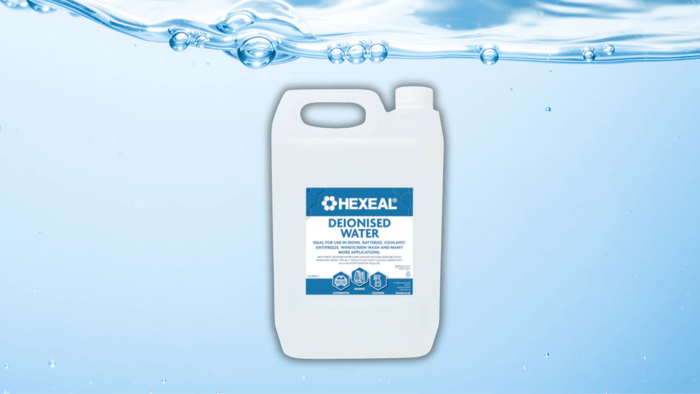
Deionised Water
£2.79
Our high-purity Deionised Water is produced using advanced technology*. This ultra-pure water is the perfect base for a wide range of bath, body, cosmetic, and home fragrance creations. Use it to make room sprays, fabric mists, and linen refreshers without… read more

Disclaimer
This blog is intended for educational and informational purposes only. The information provided about Deionised Water and water-based product formulation is general guidance and does not constitute professional or regulatory advice. Always follow manufacturer instructions, perform your own testing, and ensure compliance with local laws and safety standards when producing or selling products. With Deionised Water, fragrance oils require appropriate solubilisers or emulsifiers to be safely incorporated into water-based sprays or mists. Results may vary depending on ingredients, techniques, and storage conditions. House of Scent is not liable for any loss, damage, or injury arising from the use of this information.