


Table of Contents
Do Fragrance Oils Discolour Soap? Tips for Clean, Vibrant Bars
Soap making is a beautiful and creative craft, but it comes with its own set of challenges. One common question that arises, especially for beginners, is: Do fragrance oils discolour soap? Understanding how different oils interact with your soap base, ingredients, and colouring agents is essential for producing visually appealing, long-lasting bars. In this guide, we will explore the science behind fragrance oils, factors that can cause discolouration, and practical tips to maintain vibrant, clean soap.
Understanding Soap and Fragrance Oils
Soap is a mixture of fats or oils with an alkali, usually sodium hydroxide for solid bars. During saponification, the oils react chemically with the lye to form soap and glycerine. While this process seems straightforward, introducing fragrance oils adds a layer of complexity.
Do fragrance oils discolour soap? The short answer is: sometimes. The outcome depends on the type of fragrance oil, its chemical composition, the soap recipe, and how it is incorporated. While some oils blend seamlessly, others may accelerate discolouration or interact unpredictably with natural or artificial colourants.
Why Fragrance Oils Can Cause Discolouration
Several factors contribute to soap discolouration when using fragrance oils:
1. Oxidation
Some fragrance oils contain compounds that oxidise when exposed to air or heat. This can lead to yellowing, darkening, or uneven spots in your soap bars.
2. High Heat Reactions
Certain fragrance oils are sensitive to high temperatures. Adding them to a hot soap mixture can trigger chemical reactions that change the colour, particularly in melt-and-pour or hot-process soaps.
3. Interaction with Lye
Fragrance oils interact differently with saponified ingredients. Some oils may contain unsaponifiables or other reactive molecules that, in combination with lye, cause unexpected colour shifts.
4. Natural Ingredients
Oils derived from natural sources may have pigments or botanical residues. Even a small amount can affect your soap’s final hue.
5. Light and Storage
Even if your soap looks fine when freshly made, exposure to sunlight or poor storage conditions can accelerate discolouration over time.
Understanding these factors is the first step in answering the question: Do fragrance oils discolour soap? Knowledge allows you to plan and prevent undesirable effects.
Types of Fragrance Oils and Their Effects
Not all fragrance oils are created equal. Some are formulated specifically for soap, while others are designed for candles or other cosmetics. Their behaviour in soap can vary significantly.
Soap-Safe Fragrance Oils
Soap-safe fragrance oils are tested for stability in both cold-process and melt-and-pour soaps. They are less likely to cause discolouration or acceleration of trace. When using these oils, the risk of soap discolouration is lower.
Candle or Cosmetic Oils
Some oils designed for candles or bath products may not be suitable for soap. They can contain additives that react with lye or high temperatures, increasing the likelihood of yellowing or mottling.
Essential Oils
Pure essential oils can also discolour soap, particularly dark or strong oils like patchouli, clove, or cinnamon leaf. Even natural oils that are stable in other applications can sometimes affect the colour of saponified soap over time.
Choosing Colourants Wisely
Another critical factor is how fragrance oils interact with soap colourants. Artificial and natural colourants respond differently:
Micas and pigments: These are usually heat-stable and maintain their vibrancy, but some fragrance oils can alter shimmer or shade intensity.
Natural clays and botanicals: These are more reactive and can change when combined with certain oils. For example, a green clay might turn brown when mixed with a cinnamon or clove fragrance.
Liquid colourants: Oils that accelerate trace can also intensify or muddy liquid colourants in cold-process soaps.
By understanding how colourants and oils interact, you can significantly reduce the risk of unexpected discolouration.
Best Practices to Prevent Discolouration
Even if you are using the best soap-safe fragrance oils, careful technique can prevent discolouration.
1. Follow Recommended Usage Rates
For most soaps in the UK, fragrance oils are usually added at around 3–6 % of your total oils for cold-process bars. For melt-and-pour bases, you might use 1–3 %, since the base often already contains ingredients and scents.
These numbers are just starting points. It’s very important to check the IFRA certificate for each fragrance oil to see the maximum safe usage level for soap. IFRA ensures your soap is safe for skin contact, and using more than the recommended amount can affect both safety and how your soap looks or smells.
2. Add Oils at the Right Temperature
Adding fragrance oils when the soap batter is too hot can trigger colour changes. For cold-process soap, aim for around 37–43°C (100–110°F) before adding your oil. Melt-and-pour soap should be cooled slightly before fragrance incorporation.
3. Mix Thoroughly but Gently
Inadequate mixing can create streaks of concentrated oil, leading to uneven colour spots. However, overmixing may accelerate trace and cause oils to react unpredictably. Aim for consistent, gentle folding until fully combined.
4. Test Small Batches First
If you are unsure whether a fragrance oil will discolour your soap, try a small test batch. Observe how the colour changes over time before committing to a larger batch.
5. Use Whitening Additives
To help your soap stay bright and white, consider adding titanium dioxide, a fine white powder that works in cold-process, hot-process, and melt-and-pour soaps. It creates a clean, opaque appearance and is especially useful in soaps that tend to yellow over time. Pairing this with antioxidants like Vitamin E can further slow natural discolouration and keep your bars looking fresh. When using powders, mix them first with a small amount of oil to prevent clumping, and always test in small batches to ensure your fragrance, colours, and final look remain as intended.
6. Store Properly
Keep finished soap bars away from direct sunlight, heat, and air exposure. This not only preserves scent but also prevents gradual discolouration.
Handling Special Cases
Certain fragrance oils are notorious for causing colour changes:
Cinnamon, clove, or other spice-based oils: These can darken quickly in cold-process soap.
Vanilla or caramel tones: Even small amounts may turn a pale soap yellow or brown over time.
Oils with high vanillin content: Vanillin can oxidise and shift the colour, particularly in light-coloured bars.
When working with these fragrances, consider tinted soap bases, partial colouring, or layered designs to mask potential changes.
Testing for Long-Term Results
One of the most important lessons in answering Do fragrance oils discolour soap? is that colour can evolve over weeks. Freshly unmoulded soap may look perfect, but over 4–6 weeks of curing, the colour may shift slightly due to ongoing chemical reactions.
To manage this:
Keep a log of fragrance oils used, colourants, batch temperature, and curing conditions.
Observe and photograph each batch over time.
Adjust future recipes based on these observations.
This scientific approach helps you predict results and maintain clean, vibrant bars.
Summary of Tips
Here is a quick checklist for keeping your soap colourful while using fragrance oils:
Respect usage rates and recommended temperatures.
Test new oils in small batches first.
Use colourants that are stable and compatible with oils.
Mix carefully to avoid streaks or uneven spots.
Store soap away from heat, light, and air.
Consider whitening additives for white soaps.
Maintain records to refine future batches.
Following these strategies ensures that your question — Do fragrance oils discolour soap? — results in minimal impact on the aesthetic quality of your products.
Conclusion
So, do fragrance oils discolour soap? The answer depends on several factors, including oil type, soap recipe, colourants, temperature, and storage conditions. While some oils can cause changes in colour, understanding these variables allows soap makers to plan ahead, test carefully, and create vibrant, visually appealing bars.
For beginners and experienced soap makers alike, the key is knowledge, patience, and experimentation. By choosing the right oils, handling them correctly, and monitoring your batches, you can enjoy beautifully scented soaps that look as good as they smell — without unwanted discolouration.
In the end, mastering this aspect of soap making allows you to confidently combine fragrance, colour, and creativity, producing products that delight both visually and aromatically.
Shop Fragrance Oils
Disclaimer
This guide on Do Fragrance Oils Discolour Soap? is intended for educational and informational purposes only. Results may vary depending on soap-making method, fragrance oils, colourants, additives, and environmental factors. Always follow manufacturer guidelines, recommended fragrance usage rates, and IFRA compliance for safety. Conduct proper testing before producing soap for personal use, sale, or gifts. House of Scent is not responsible for any reactions, damages, or losses arising from the use or misuse of these techniques or products.
FAQs
Do fragrance oils discolour soap?
Yes, some fragrance oils can cause soap to change colour, especially if they oxidise, react with lye, or contain natural pigments. Testing small batches first helps prevent unwanted discolouration.
How can I keep my soap bars white and vibrant?
You can use titanium dioxide to maintain a bright white colour and antioxidants like Vitamin E to slow yellowing. Proper storage away from heat, light, and air also helps preserve colour.
Are House of Scent fragrance oils safe for soap and cosmetics?
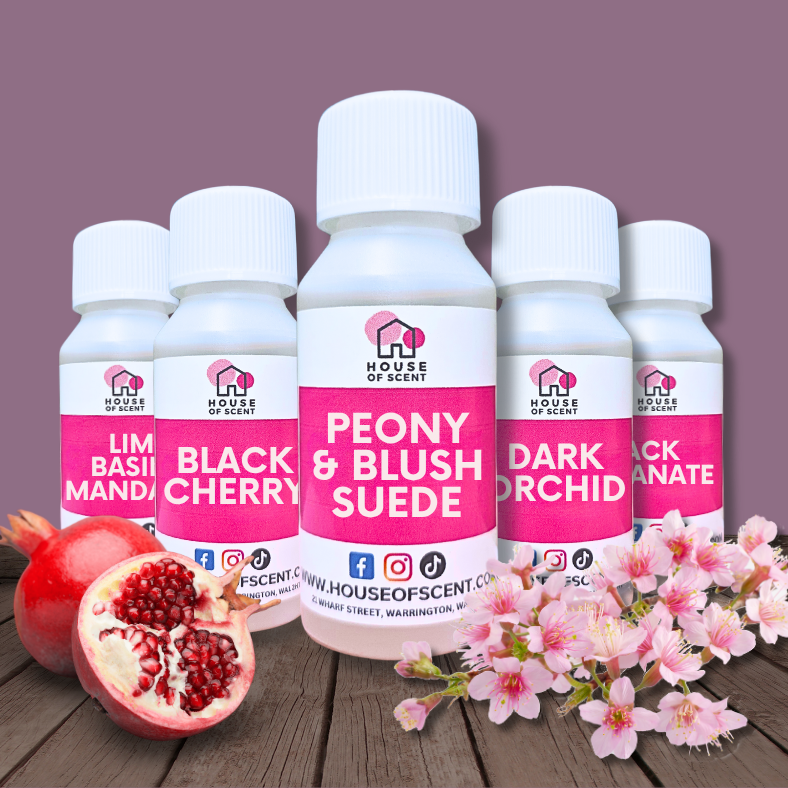
Yes, House of Scent fragrance oils are IFRA-compliant and not only suitable for candles and wax melts, but also for soap and cosmetic use. However, results may vary depending on the soap type, additives, and formulation, so testing is always recommended.