

Table of Contents
- Why Accurate Measurement Matters
- Weight vs Volume: What’s the Difference?
- Tools You’ll Need
- Understanding Fragrance Load
- Step-by-Step: How to Measure Fragrance Oil Correctly
- Common Mistakes to Avoid
- Tips for Better Accuracy
- Adjusting Your Measurements
- Application-Specific Tips
- The Role of Testing
- Final Thoughts
- FAQs
How to Measure Fragrance Oil Correctly
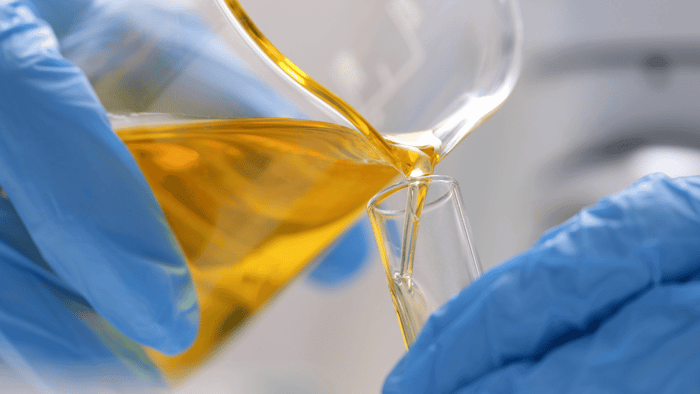
If you’ve ever struggled with getting consistent scent results in your candles, wax melts, or room sprays, the issue might not be your ingredients - it could be your measurements. Learning How to Measure Fragrance Oil Correctly is one of the most important skills in any home fragrance or cosmetic-making journey.
It might seem simple at first, but small mistakes in measuring can lead to weak scent throw, overpowering fragrances, or even unsafe products. Whether you’re a beginner or running a small business, understanding how to measure correctly will help you create products that are both safe and high-performing.
Why Accurate Measurement Matters
Before diving into measuring fragrance oils correctly, it’s important to understand why precision is so crucial.
Consistency
If your measurements vary, your results will too. One batch might smell perfect, while the next smells too weak or too strong.
Safety
Fragrance oils are highly concentrated. Using too much can cause irritation or exceed IFRA limits, especially in products that come into contact with skin.
Performance
Incorrect measurements can affect:
Scent throw in candles
Longevity in wax melts
Balance in room sprays
In short, mastering How to Measure Fragrance Oil Correctly ensures your products perform exactly as intended.
Weight vs Volume: What’s the Difference?
A common mistake when learning how to measure correctly is relying on volume (millilitres) instead of weight (grams).
Measuring by Volume
Uses tools like measuring jugs or pipettes
Can be inconsistent due to oil density
Measuring by Weight
Uses digital scales
More accurate and consistent
Industry standard
Fragrance oils vary in density, so 10ml of one oil may not weigh the same as 10ml of another. This is why professionals always prioritise weight when measuring fragrance oils.
Tools You’ll Need
To properly understand How to Measure Fragrance Oil Correctly, having the right tools makes all the difference:
Digital scales (accurate to at least 0.1g)
Pipettes or droppers for small adjustments
Glass beakers or containers
Gloves (recommended for handling concentrated oils)
Investing in good tools saves time, reduces waste, and improves your results.
Understanding Fragrance Load
Fragrance load refers to the percentage of fragrance oil used in your product. It’s a key concept when learning How to Measure Fragrance Oil Correctly.
Common Fragrance Loads:
Candles: 6–10%
Wax melts: 8–12%
Room sprays: 5–10%
For example:
If you are making 100g of candle wax with a 10% fragrance load:
90g wax
10g fragrance oil
Always check supplier recommendations and IFRA limits before deciding your percentage.
Step-by-Step: How to Measure Fragrance Oil Correctly
Let’s break down How to Measure Fragrance Oil Correctly into simple, practical steps.
Step 1: Calculate Your Formula
Decide your total batch size and fragrance percentage.
Example:
Total batch: 200g
Fragrance load: 8%
Fragrance oil needed: 16g
Step 2: Weigh Your Base First
Measure your wax, base, or carrier first. This gives you a clear starting point.
Step 3: Tare Your Scale
Place your container on the scale and reset (tare) it to zero. This ensures you’re only measuring the fragrance oil.
Step 4: Add Fragrance Oil Slowly
Carefully pour your fragrance oil until you reach the exact weight needed.
Precision is key when mastering How to Measure Fragrance Oil Correctly - even a 1g difference can affect your results.
Step 5: Record Your Measurements
Always write down:
Batch size
Fragrance percentage
Exact measurements
Keeping records helps you repeat successful batches and improve future ones.
Common Mistakes to Avoid
Even experienced makers can slip up when learning How to Measure Fragrance Oil Correctly. Here are some common mistakes:
Guessing Measurements
“Eyeballing” fragrance oil is one of the quickest ways to ruin a batch.
Not Taring the Scale
Forgetting to reset your scale leads to inaccurate readings.
Using the Wrong Units
Mixing grams and millilitres can cause confusion and errors.
Overloading Fragrance
Adding more oil does not always improve scent. It can actually reduce performance or cause sweating in wax melts.
Tips for Better Accuracy
If you want to truly master How to Measure Fragrance Oil Correctly, these tips will help:
Work in Small Batches
Test smaller quantities before scaling up. This reduces waste and allows adjustments.
Use Consistent Equipment
Switching tools can introduce inconsistencies. Stick to the same scales and containers where possible.
Check Your Scale Calibration
Ensure your scale is accurate by testing it occasionally with known weights.
Keep Your Workspace Clean
Spilled oils or residue can affect measurements and contaminate your batches.
Adjusting Your Measurements
Sometimes your first attempt won’t be perfect. Understanding How to Measure Fragrance Oil Correctly also means knowing how to adjust.
If the Scent Is Too Weak
Increase fragrance slightly (within safe limits)
If the Scent Is Too Strong
Reduce fragrance load
Rebalance your formula
Always make small changes and test again.
Application-Specific Tips
Different products require slightly different approaches when applying How to Measure Fragrance Oil Correctly.
Candles
Add fragrance at the correct temperature
Mix thoroughly for even distribution
Wax Melts
Ensure proper binding with wax
Avoid overloading, which can cause oil seepage
Room Sprays
Combine fragrance with the correct base
Shake or mix thoroughly
The Role of Testing
No matter how well you understand How to Measure Fragrance Oil Correctly, testing is essential.
Test for:
Scent throw (hot and cold)
Longevity
Stability over time
Document your results so you can refine your formulas.
Final Thoughts
Learning How to Measure Fragrance Oil Correctly is a foundational skill that can completely transform your results. It’s not just about accuracy - it’s about creating products that are safe, consistent, and enjoyable to use.
By focusing on:
Measuring by weight
Using the right tools
Following safe fragrance loads
Testing and refining your batches
- you’ll gain confidence in your process and produce high-quality results every time.
In the world of fragrance, precision isn’t restrictive - it’s what allows creativity to flourish. Once you’ve mastered How to Measure Fragrance Oil Correctly, you’ll find it much easier to experiment, improve, and grow your craft or business. View Premium Fragrance Oils
Disclaimer
FAQs
Why is it important to measure fragrance oils accurately?
Measuring fragrance oils correctly ensures consistent scent, safe usage, and optimal performance in products like candles, wax melts, and sprays.
Should I measure fragrance oils by weight or volume?
It’s best to measure by weight using a digital scale. Oils vary in density, so weighing ensures precision and repeatable results.
How can I adjust my fragrance if it’s too strong or too weak?
If the scent is too weak, increase the fragrance slightly within safe limits. If too strong, reduce the load and test again for optimal performance.