


Table of Contents
- Risks of Selling Without Labelling to Friends & Family
- The “They Know Me Anyway” Mindset 👀
- When “It’s Fine” Turns Into “Wait…What Was This?” 😅
- It’s Not About Trust - It’s About Clarity
- Small Mistakes Can Turn Into Big Lessons ⚠️
- “But I’m Not a Big Business” - And That’s Exactly Why It Matters
- The Sneaky Way a Hobby Becomes a Business 💼
- Let’s Talk About the Awkward Bits 😬
- What “Proper Labelling” Actually Means (It’s Simpler Than You Think)
- Small Changes That Make a Big Difference 💡
- Final Thoughts: It’s Still Business, Even If It Feels Personal
- FAQs
Risks of Selling Without Labelling to Friends & Family
Starting out as a small maker often feels harmless. You craft something with care, share it with a friend, and reassure yourself it’s “just for them.” There’s a sense of trust and comfort in these early exchanges, but even at this stage, the Risks of Selling Without Labelling are already there, quietly waiting if your product ever leaves your hands.
“It’s only for my friend.”
“I already told her what’s in it.”
“It’s not like I’m selling to strangers.”
If you’ve ever said any of these, you’re definitely not alone. In fact, this is how most small makers begin - sharing products with people they trust, people who trust them back. It feels safe, informal, and honestly…a bit easier.
But here’s where things quietly shift.
The moment your product leaves your hands - even if it’s going to a friend, a cousin, or your neighbour - you’re no longer just sharing. You’re responsible for what you’ve made. And this is exactly where the Risks of Selling Without Labelling start to creep in.
Let’s talk about it properly..
The “They Know Me Anyway” Mindset 👀
There’s something comforting about selling to people you know. You skip the formalities. You explain things casually. Maybe you even feel like labels are a bit… unnecessary.
After all:
- You already told them what’s inside
- They’ve used your products before
- They can just message you if they have questions
Sounds reasonable, right?
But here’s the catch - verbal information doesn’t stick the way we think it does.
A week later, your friend might not remember:
- What scent it was
- Whether it had a certain ingredient
- How exactly they were supposed to use it
And suddenly, something that felt “clear at the time” becomes a bit uncertain.
This is one of the most overlooked Risks of Selling Without Labelling - relying on memory instead of something tangible.
When “It’s Fine” Turns Into “Wait…What Was This?” 😅
Let’s paint a very real scenario.
Your friend picks up your product a few days after buying it. Maybe it’s been sitting on a shelf, or mixed in with other items.
They pause and think:
“Wait… what scent was this again?”
Then:
“Is this okay for sensitive skin?”
Then:
“What’s actually in this?”
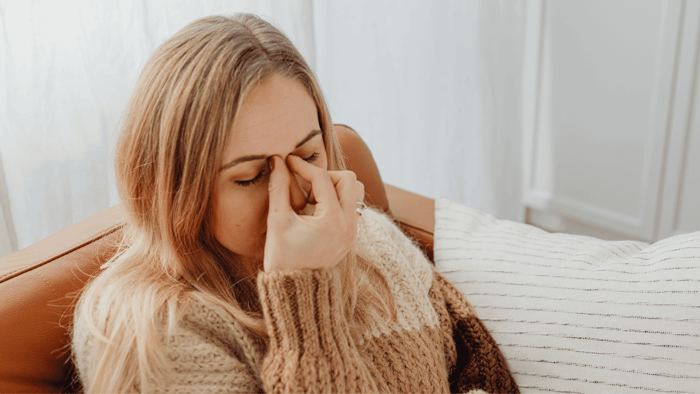
Now imagine you’re not immediately available to answer. Or worse - you don’t fully remember either because you’ve made multiple batches since.
This isn’t about panic - it’s about practicality.
Without proper labelling, even the simplest questions become harder to answer. And that uncertainty is exactly where the Risks of Selling Without Labelling start to feel a bit more real.
It’s Not About Trust - It’s About Clarity
A lot of makers associate labelling with distrust. Like adding a label somehow makes things more “serious” or less personal.
But it’s actually the opposite.
Labelling isn’t about doubting your relationship with your customer - it’s about making things clear, consistent, and easy.
Even if your friend trusts you completely, they still benefit from:
- Clear product identification
- Ingredient awareness
- Basic usage guidance
The Risks of Selling Without Labelling aren’t about people turning against you - they’re about simple misunderstandings that could have been avoided.
Small Mistakes Can Turn Into Big Lessons ⚠️
Here’s where things get a bit more serious (but still very real).
Even with the best intentions, things can go wrong:
- Someone reacts to an ingredient they didn’t realise was included
- A product is used incorrectly
- A scent or formulation is mistaken for something else
And because there’s no label, there’s no quick way to check what’s what.
That’s the tricky part.
The Risks of Selling Without Labelling aren’t always dramatic - but when something does happen, the lack of information becomes a problem very quickly.
“But I’m Not a Big Business” - And That’s Exactly Why It Matters
This is probably the most common thought:
“I’m just starting out, this doesn’t really apply to me yet.”
But here’s the reality - there isn’t a minimum size requirement for responsibility.
Whether you’ve sold:
- 2 products
- 10 products
- or 100 products
The expectations around your product don’t change.
In fact, the earlier you build good habits, the easier everything becomes later on.
The Risks of Selling Without Labelling tend to hit hardest when things grow unexpectedly - because by then, you’re playing catch-up instead of being prepared.
The Sneaky Way a Hobby Becomes a Business 💼
Let’s be honest… it rarely starts as a “business”.
It starts like this:
- A friend buys one
- Then another friend asks
- Then someone says, “Can I order three?”
- Then you get referred to someone you’ve never met
And just like that…you’re selling regularly.
But if you’re still operating with the same casual approach (no labels, no consistent info), things can start to feel messy.
This is where the Risks of Selling Without Labelling shift from being a small issue to a growing one.
Because now:
- You’re handling more products
- More people are involved
- And expectations are higher
Let’s Talk About the Awkward Bits 😬
There are also those slightly awkward situations no one really talks about:
- Someone asks for the ingredient list…and you don’t have it written down
- A customer wants to reorder the exact same product…but you didn’t label the batch
- You need to check something quickly…but there’s nothing on the packaging
It’s not catastrophic - but it’s not ideal either.
These are the day-to-day Risks of Selling Without Labelling that make things harder than they need to be.
What “Proper Labelling” Actually Means (It’s Simpler Than You Think)
Here’s the good news - you don’t need to overcomplicate this.
Proper labelling doesn’t mean you need fancy designs or expensive packaging.
At its core, it’s about including:
- A clear product name
- Key ingredients (especially important ones)
- Basic usage or safety info (where needed)
That’s it.
Even a simple, clean label can dramatically reduce the Risks of Selling Without Labelling.
Small Changes That Make a Big Difference 💡
If you’re thinking, “Okay…I should probably sort this,” here are some easy starting points:
- Print basic labels at home
- Keep a simple record of your batches
- Be consistent with naming your products
- Label even the items you give to friends
You don’t need to be perfect - you just need to start.
Because once labelling becomes part of your process, it stops feeling like extra work and starts feeling natural.
Final Thoughts: It’s Still Business, Even If It Feels Personal
Selling to friends and family feels different. It’s warmer, more relaxed, and a lot less formal.
But that doesn’t remove the responsibility - it just makes it easier to overlook.
The Risks of Selling Without Labelling aren’t about doing something wrong. They’re about missing something important.
And the truth is, proper labelling doesn’t take away from the personal touch - it actually adds to it.
It shows care. It shows thought. It shows that you take what you’re creating seriously.
So whether you’re selling one product or one hundred…
Label it.
Your future self (and your customers) will thank you for it.
Discover Premium Fragrance Oils
Disclaimer
This blog is for informational purposes only and is not a substitute for professional advice. House of Scent is not responsible for any damages, allergic reactions, or legal issues that may arise from selling or using homemade products. Always follow local regulations and safety guidelines when creating or selling products.
FAQs
Why is labelling important even when selling to friends or family?
Labelling ensures clarity about ingredients, usage, and safety, reducing misunderstandings and the Risks of Selling Without Labelling, even among people you trust.
What should a simple label include?
A proper label should include the product name, key ingredients, and basic usage or safety information. Simple labels can significantly reduce the Risks of Selling Without Labelling.
Relevant Blog: CLP Labels for Candles & Wax Melts: A Complete Guide
Does labelling make my products feel less personal?
Not at all. Labelling shows care and professionalism, making it easier for customers to use your products safely and consistently, while maintaining a personal touch.