

Table of Contents
Candle Container Safety Testing: What to Check Before Selling
When it comes to selling candles, fragrance, wax type, and aesthetic design are only part of the equation. One of the most crucial yet often overlooked aspects of candle making is Candle Container Safety Testing. The containers that hold your wax and fragrance aren’t just decorative - they play a central role in ensuring your candles burn safely and consistently. Skipping proper safety checks can lead to dangerous situations, from cracked glass to fires, and could put your customers at risk.
In this guide, we’ll explore everything you need to know about Candle Container Safety Testing, including why it’s essential, the tests you can perform at home, and how to make sure your candles are both beautiful and safe for sale.
Why Candle Container Safety Testing Matters
Containers may seem passive, but they are an active part of the burning process. During use, candle containers are exposed to high temperatures, rapid cooling, and the constant expansion and contraction of wax. A container that is not safe can crack, shatter, or even leak hot wax, leading to burns, property damage, or fire hazards.
Candle Container Safety Testing is the process of evaluating your chosen containers to ensure they can withstand the conditions of a burning candle. By performing these tests, makers can:
- Prevent cracks and shattering during burning
- Ensure even heat distribution and avoid overheating
- Avoid chemical reactions between the container material and wax or fragrance oils
- Meet safety regulations for consumer products
Ultimately, proper testing protects your customers and strengthens your brand reputation.
Key Areas to Test in Candle Containers
1. Thermal Shock Resistance
Thermal shock occurs when a material experiences a sudden change in temperature, causing it to crack or shatter. Glass and ceramic containers are particularly susceptible.
To test thermal shock:
- Pour melted wax into the container at the recommended temperature.
- Allow it to cool completely, then place the candle in a slightly warmer or cooler environment.
- Observe for cracks, chips, or stress lines.
Containers that cannot withstand normal temperature variations should be avoided, as rapid cooling or heating during normal candle use can lead to accidents.
2. Heat Distribution and Retention
Different container materials absorb and retain heat differently. For example, thin-walled glass may become excessively hot on the outside, while thick ceramic retains heat for longer periods. Uneven heat distribution can cause wax tunnelling, rapid wick burnout, or container failure.
To test heat distribution:
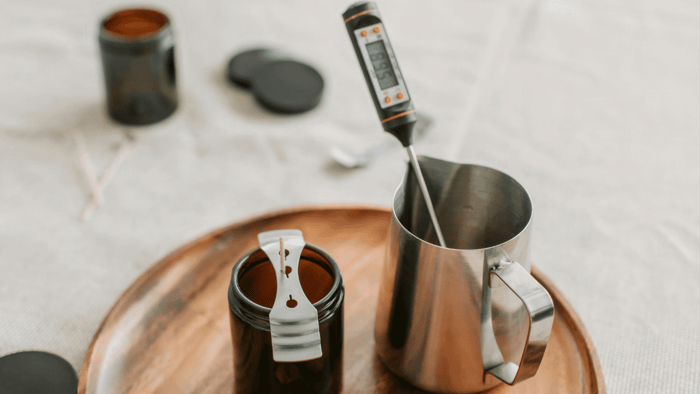
- Light a candle in your container and monitor the temperature of the container walls using a thermometer.
- Check the temperature at intervals to ensure it stays within a safe range for handling.
Understanding how your container handles heat allows you to make better decisions about wick sizing, wax type, and fragrance load, which are all critical for a safe burn.
3. Material Compatibility
Not all containers are compatible with every type of wax or fragrance oil. Certain oils or dyes can react with container materials, causing clouding, corrosion, or degradation over time.
Candle Container Safety Testing for compatibility involves:
- Conducting small test batches with each new wax and fragrance combination
- Observing for changes in the container surface, discolouration, or unusual reactions
- Monitoring for long-term stability over a few weeks if possible
Ensuring material compatibility prevents unexpected chemical reactions that could compromise safety or aesthetics.
4. Structural Integrity
A container’s strength and stability are crucial for safety. Thin glass, uneven bases, or poorly manufactured ceramics can tip over or break under the weight of the wax.
Check for structural integrity by:
- Inspecting the container for cracks, chips, or uneven surfaces before use
- Applying gentle pressure to see if the container flexes or bends
- Testing stability on flat surfaces to ensure it doesn’t wobble
Only containers that pass these checks should be considered for production candles intended for sale.
5. Flammability and Toxicity
Some container materials may not be suitable for candle making due to flammability or toxic emissions. While most glass and ceramic containers are safe, metals or plastics may release harmful fumes when exposed to high heat.
To test for flammability and toxicity:
- Research the material’s heat resistance and chemical composition
- Perform controlled burns in a safe environment to detect fumes or melting
- Avoid containers that pose any risk to consumers
This part of Candle Container Safety Testing ensures that your candles are safe for indoor use and compliant with regulations.
Practical Safety Testing at Home
For home-based makers or small businesses, full laboratory testing may not be feasible. However, many safety tests can be conducted with simple tools and careful observation:
- Use a thermometer to monitor container wall temperature during burning
- Observe containers during multiple burn cycles to check for cracking or excessive heat
- Test with small batches before scaling up production
- Keep a log of each container type, wax combination, and wick size to track performance over time
Documenting your testing process is not only helpful for quality control but also serves as evidence of diligence in case of any product issues.
Legal and Compliance Considerations
Depending on your market, there may be specific safety standards your candles must meet. This can include:
- EN 15426 (European standard for candle performance and safety)
- ASTM F2417 (US standard for candle safety)
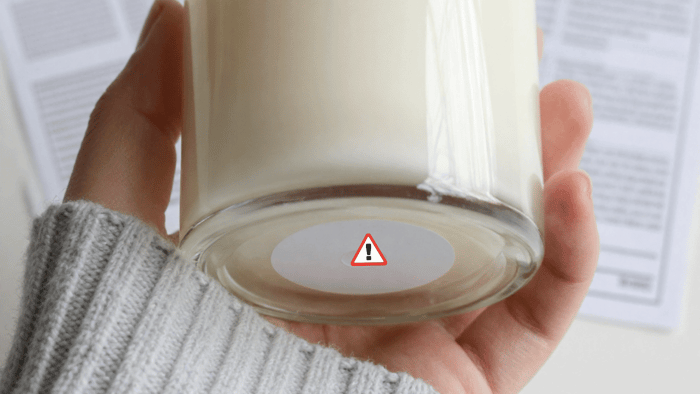
While DIY testing is helpful, compliance with these standards ensures your products are legally sellable and safe for consumers. Proper labelling, including burn time, warnings, and instructions, is also a critical part of product safety.
Tips for Safe Container Selection
- Choose containers designed for candle making or heat resistance
- Avoid thin, cheap glass or recycled containers with unknown origins
- Test new container shapes thoroughly before large-scale production
- Keep detailed records of all test results to inform future batches
Following these tips will help maintain quality, safety, and customer trust.
Summary
Candle Container Safety Testing is an essential step for anyone selling candles, regardless of scale. It ensures containers can withstand heat, prevent accidents, and maintain compatibility with wax and fragrance oils. By focusing on thermal shock resistance, heat distribution, material compatibility, structural integrity, and flammability, makers can create safe, reliable, and professional-quality candles.
Investing time in safety testing protects your customers, strengthens your brand, and reduces the risk of accidents. Whether you are testing at home or following formal lab standards, proper Candle Container Safety Testing ensures that your candles are not only beautiful and fragrant but also safe and enjoyable for everyone.
Remember, safety is as much a part of the craft as the scent or design—prioritising it sets professional makers apart and builds trust with every customer who lights your candles. View Premium Fragrance Oils for Candles
Disclaimer
The information in this blog, Candle Container Safety Testing: What to Check Before Selling, is for educational purposes only. Results may vary depending on container type, wax, wick, and environment. Readers should perform all tests carefully and at their own risk. Compliance with local safety standards and regulations is the responsibility of the maker.
FAQs
What is candle container safety testing?
Candle container safety testing is the process of evaluating containers to ensure they can withstand heat, avoid cracking, and safely hold wax and fragrance oils during use.
Can I perform container safety testing at home?
Yes, small-scale makers can test containers using simple tools like thermometers, observing multiple burn cycles, and conducting small batch tests to ensure safety and consistency.