


Table of Contents
Safe Materials for Fragrance Oils: Mixing Containers Guide
When crafting fragranced products such as candles, wax melts, room sprays, or diffusers, one detail that’s often overlooked is the container you use for mixing. While it might seem like a minor choice, the material of your mixing container can significantly affect the quality, stability, and safety of your products. Using the wrong type of container may cause chemical reactions, degrade your fragrance oils, or even create safety hazards. That’s why understanding safe materials for fragrance oils is essential for any maker, whether you’re a hobbyist or running a small business.
In this guide, we’ll explore the best materials for mixing containers, which ones to avoid, and practical tips for keeping your fragrance oils safe. By the end, you’ll have a clear understanding of how to handle your products in a way that preserves their quality and keeps your workspace safe.
Why Container Material Matters
Fragrance oils are complex blends of natural and synthetic ingredients. They may contain essential oils, aroma chemicals, solvents, and stabilisers. Many of these compounds are sensitive to heat, light, or chemical interaction. Using a container made from reactive material can result in:
- Changes in scent or colour
- Chemical reactions that reduce shelf life
- Leaching of harmful substances into your product
- Damage to the container itself
Choosing safe materials for fragrance oils isn’t just about preventing a ruined batch — it’s also about ensuring safety and regulatory compliance, especially if you sell your products.
Best Safe Materials for Fragrance Oils
Here are the top container materials that are widely recognised as safe for mixing fragrance oils:
1. Glass
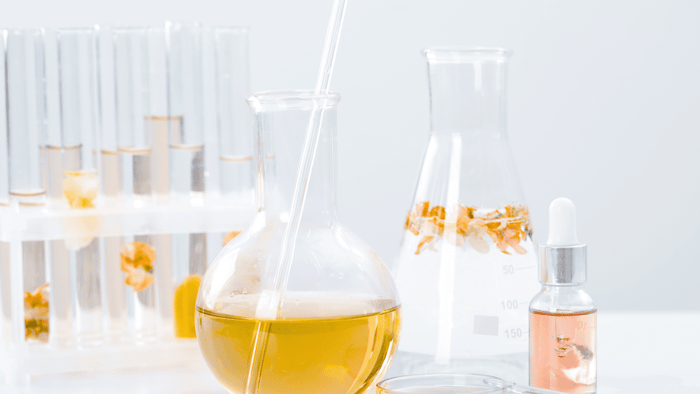
Glass is one of the most reliable options for mixing fragrance oils.
Advantages:
- Completely non-reactive, even with strong essential oils
- Easy to clean and sterilise
- Does not absorb odours or leach chemicals
Best Uses:
- Measuring and blending small batches
- Temporary storage during mixing
- Heat-resistant varieties (like borosilicate glass) for gentle warming
Glass is ideal for makers who want precision and purity, making it a core recommendation when discussing safe materials for fragrance oils.
2. Stainless Steel
Stainless steel containers are durable, corrosion-resistant, and excellent for mixing larger volumes of fragrance oils.
Advantages:
- Non-reactive with most fragrance components
- Withstands high temperatures
- Easy to clean and long-lasting
Caution: Avoid using stainless steel with highly acidic or corrosive substances for prolonged periods, though standard fragrance oils are generally safe. Using stainless steel reinforces your toolkit with a versatile, safe option for mixing.
3. High-Density Polyethylene (HDPE) Plastic
HDPE plastic is common in laboratory and production settings.
Advantages:
- Resistant to most fragrance oils and solvents
- Lightweight and impact-resistant
- Affordable and widely available
Limitations:
- Not suitable for very high-temperature applications
- May scratch easily, requiring replacement over time
HDPE is a practical choice for makers seeking a lightweight and chemical-resistant option without sacrificing safety.
4. Silicone
Silicone has gained popularity for its flexibility and chemical resistance.
Advantages:
- Non-reactive with fragrance oils
- Heat-resistant, ideal for warm wax blends
- Easy to clean and non-stick
Best Uses:
- Small mixing containers
- Spatulas and measuring tools
- Moulds and pourable reservoirs
Using silicone complements other safe materials for fragrance oils, particularly for delicate or precise mixing tasks.
Materials to Avoid
While some materials may seem convenient, they can interact with fragrance oils and create problems. Here are common materials to avoid:
1. Aluminium
Aluminium is reactive with certain essential oils and can cause off-odours, colour changes, or even slight corrosion over time. Even thin layers of aluminium foil may interact with strong fragrance components.
2. Copper and Brass
These metals can react with acidic or citrus-based oils. Unless lined or coated, using copper or brass containers for mixing fragrance oils is not recommended.
3. Low-Quality Plastics
Thin or unclear plastics may leach chemicals into fragrance oils, especially if exposed to heat. Always verify chemical resistance before using any plastic container.
4. Ceramic with Unknown Glazes
Some ceramic containers contain heavy metals such as lead in their glaze. Only use food-safe, non-porous ceramics if they’re certified safe for chemical contact.
Practical Tips for Handling Fragrance Oils
Even when using the safest materials, good habits can prevent contamination and preserve fragrance quality:
- Clean containers thoroughly before and after use to prevent residue contamination
- Avoid using containers previously holding reactive chemicals
- Test new containers with a small amount of fragrance oil before full use
- Label containers for specific uses to avoid cross-contamination
- Store fragrance oils separately from mixing containers to minimise risk
These small steps reinforce the importance of using safe materials for fragrance oils while maintaining consistency in your products.
Why Using Safe Materials Matters
Choosing safe materials for fragrance oils is about more than preventing ruined batches. It’s about:
- Safety: Preventing chemical reactions that could be hazardous
- Quality: Maintaining the true scent and colour of your fragrances
- Consistency: Ensuring your products meet customer expectations every time
- Compliance: Supporting regulatory requirements for commercial fragrance products
By prioritising safe materials, you build trust with customers and protect your business from avoidable risks.
Final Thoughts
When selecting a mixing container for fragrance oils, stick to proven safe options: glass, stainless steel, HDPE plastic, and silicone. Avoid reactive metals, low-quality plastics, and uncertified ceramics. Combine these material choices with good mixing practices to protect your fragrance oils and ensure your products perform as intended.
Remember, investing in the right container is a small step that pays off with better product quality, safety, and reliability. Whether you’re a hobbyist or a professional maker, understanding safe materials for fragrance oils is an essential part of your toolkit.
💡 Pro tip: Dedicate a set of containers solely for fragrance mixing. Avoid reusing containers for wax, solvents, or other chemicals to keep your fragrances uncontaminated and consistent.
By following these guidelines, you can confidently create fragranced products that delight your customers while remaining safe and high quality.
Browse More Helpful Home Fragrance Making Blogs
Disclaimer
This blog is for general informational purposes only and is not intended as legal, medical, or professional advice. Always follow official safety guidelines, manufacturer instructions, and regulatory requirements when handling fragrance oils or other chemicals. House of Scent is not responsible for any damage, injury, or loss resulting from the use of the information provided. If in doubt, consult a qualified professional.
FAQs
What are the safest materials for mixing fragrance oils?
The safest materials for fragrance oils include glass, stainless steel, HDPE plastic, and silicone. These materials are non-reactive, easy to clean, and preserve the scent and quality of your oils.
Which container materials should I avoid when working with fragrance oils?
Avoid aluminium, copper, brass, low-quality plastics, and ceramics with unknown glazes. These materials can react with fragrance oils, alter scents, or leach harmful substances.
How can I ensure my fragrance oils stay safe while mixing?
Use dedicated containers, clean them thoroughly, test new containers with a small batch first, and avoid cross-contamination. Choosing safe materials for fragrance oils is key to maintaining quality and safety.